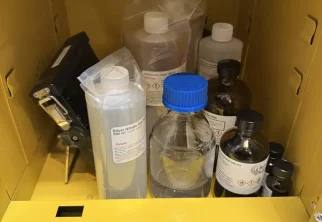
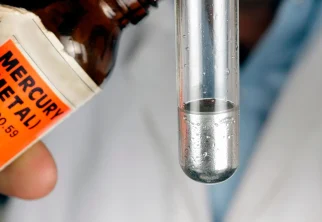
Hazardous materials management is the systematic process of identifying, handling, storing, transporting, and disposing of substances that pose risks to human health, safety, or the environment.
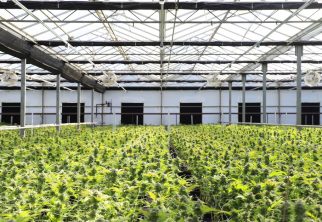
Cannabis industry waste & testing involves: Waste Generation: Identifying and categorizing waste from cultivation, manufacturing, retail, and laboratory operations.
Hazardous waste manifests are legally required tracking documents that follow hazardous waste shipments from the point of generation all the way to final disposal — a system regulators call “cradle-to-grave” accountability.
Hazardous waste disposal in Maine requires safe handling by residents and businesses — here are the most important options at a glance: Quick Answer: Where to Dispose of Hazardous Waste in Maine TypeWho It’s ForWhere to GoHousehold hazardous wasteResiden…
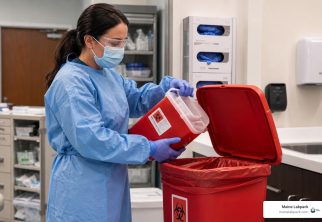
How many regulated medical waste classes exist? The answer depends on your location, but most healthcare facilities need to understand between 5 and 7 distinct categories of regulated medical waste (RMW).
Understanding the Complexities of Regulated Waste Management Regulated waste management is the systematic handling, storage, transportation, and disposal of materials that pose potential risks to human health or the environment under federal, provincial, a…
A century-old, quasi-municipal wastewater and drinking water treatment provider serving over 200,000 residents across 11 communities partnered with Maine Labpack to address growing environmental health and safety (EHS) concerns.
Why Understanding EPA Waste Regulations Matters for Your Facility EPA waste regulations govern how businesses must handle, store, transport, and dispose of hazardous materials to protect human health and the environment.
Why Pharmaceutical Waste Management Matters For Your Facility Pharmaceutical waste includes any expired, unused, or leftover medications and materials that have come into contact with pharmaceuticals—from prescription bottles and IV bags to contaminated …