The Truth About Mercury in Fluorescent Tubes Do fluorescent tubes contain mercury? Yes. All fluorescent lighting, including linear tubes and compact fluorescent lamps (CFLs), contains elemental mercury.
Why Disposing of Hazardous Waste the Right Way Matters Disposing of hazardous waste incorrectly can create costly compliance, safety, and environmental problems.
Federal Biohazardous Waste Disposal Guidelines: OSHA, EPA, and CDC Biohazardous waste disposal guidelines protect people and the environment from materials that can spread disease, cause injury, or contaminate a facility.
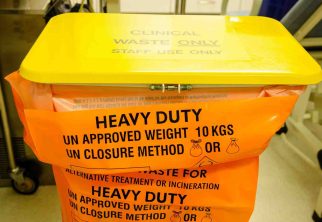
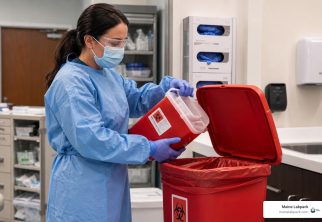
Regulated medical waste (RMW) is waste from healthcare, research, or laboratory work that may contain infectious materials, blood, bodily fluids, or sharps and must be handled, stored, treated, and disposed of under specific legal requirements.
Biohazardous waste is material that contains, or has been contaminated by, biological agents capable of causing infection or disease in people, animals, or the environment.
Lab relocation services are specialized solutions for safely moving laboratory equipment, chemicals, biological samples, and sensitive instruments from one facility to another — without damaging assets, violating regulations, or losing months of research…
Cannabis wastewater disposal is one of the most overlooked compliance risks in the cannabis industry — and one of the most consequential if handled incorrectly.