Author: Maine Labpack

What to Consider When Choosing a Lab Pack Service Company

Lab pack service providers are hazardous waste disposal companies specializing in collecting, packaging, and transporting small quantities of hazardous waste for disposal. These wastes, principally chemicals, are generated in laboratories, educational and research institutions, medical facilities, veterinarians, embalmers, and small businesses. Lab pack providers offer expertise in handling various types of hazardous materials generated in small quantities, ensuring that they are managed in compliance with environmental and safety regulations. 

What Is a Lab Pack?

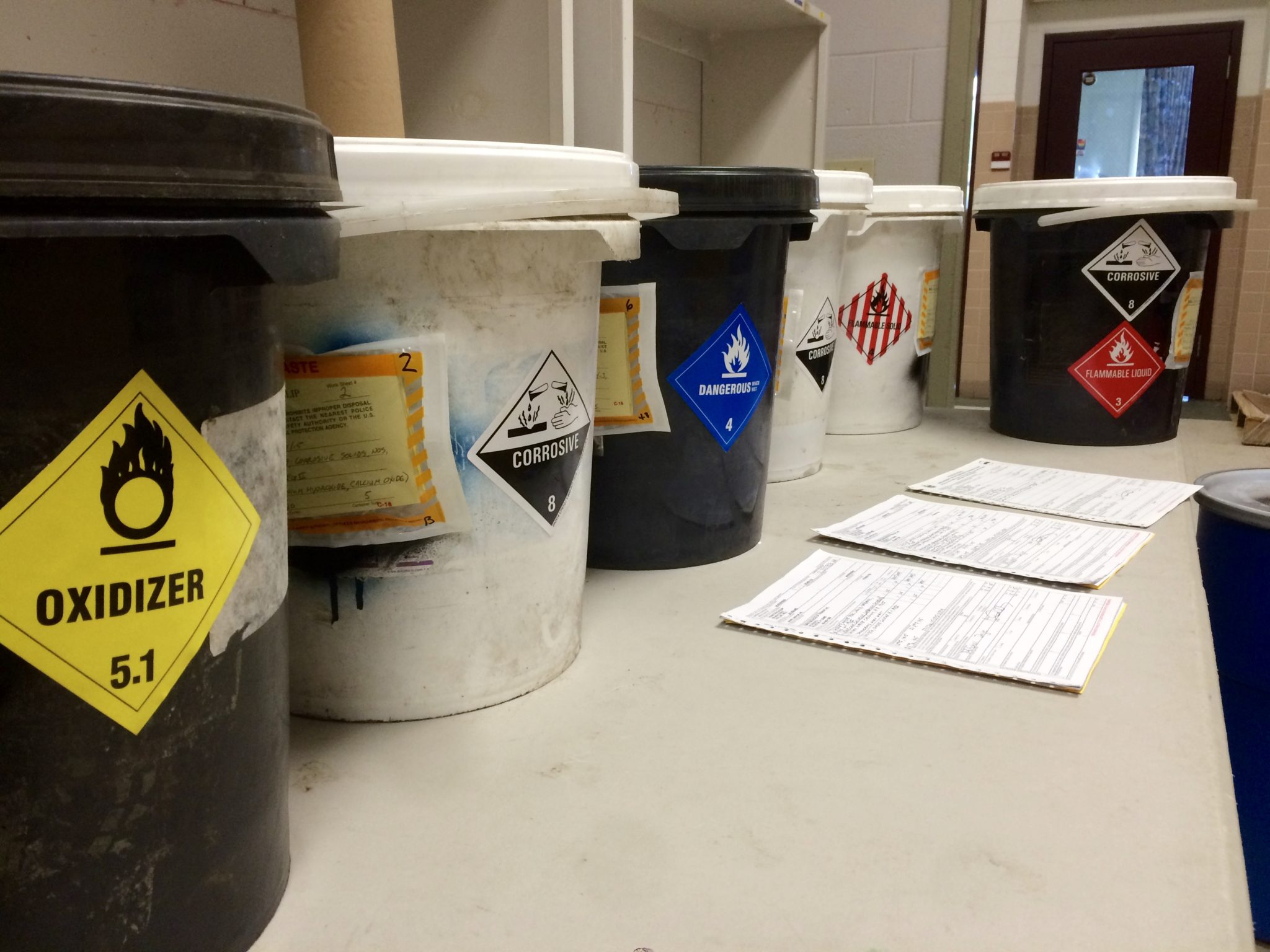
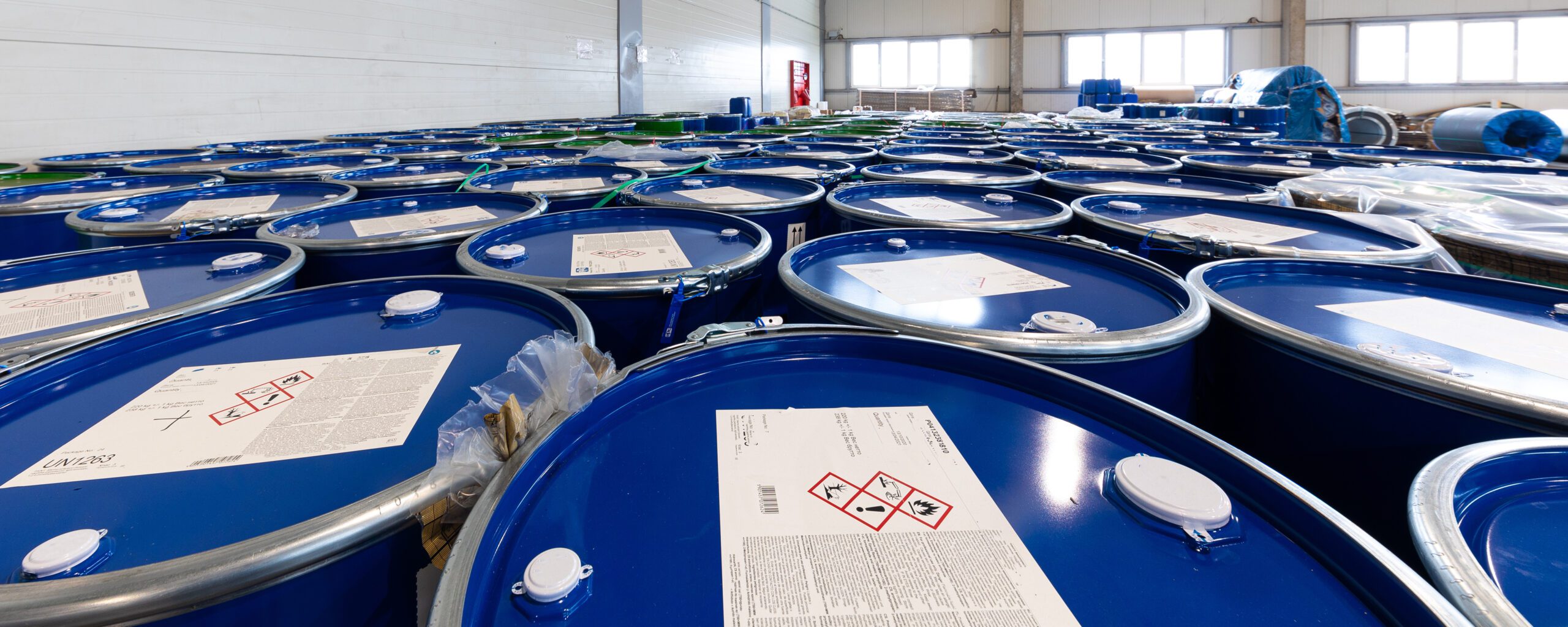
Short for laboratory packs, “lab packs” are typically 5-to 55-gallon drums or cubic yard-sized boxes filled with separately packaged smaller containers of hazardous wastes and related materials. For example, within the drums or boxes, small batches of used, expired, dated, or damaged chemical wastes are packed in small containers and sorted based on their hazardous characteristics, such as the material’s corrosivity, toxicity, reactivity, or flammability. 

Lab packs are commonly used anywhere small volumes of hazardous chemicals and other hazardous materials accumulate over time. The purpose of lab packs is essential for safely managing small quantities of hazardous materials for transport to a disposal facility without the risk of leaks or contamination.

What to Consider When Choosing a Lab Pack Service Company

When selecting hazardous waste disposal companies, it’s essential to consider what service options the lab pack provider offers and if they fit your organization’s needs. Keep in mind that choosing the right service provider can have a significant impact on the operations of your business or organization. To make an informed decision, consider critical factors that set each service apart. Here are 5 to consider.

1. What Are Your Disposal Requirements

It’s important to choose a company that meets your disposal requirements. Not all waste removal service providers handle or are licensed to dispose of hazardous waste properly. Though it sounds obvious, if you’re hiring a waste removal service for your facility, be sure that they’re licensed for hazardous waste removal and disposal. Consider hazardous waste disposal companies that offer a range of services tailored to your company’s needs, be it their pickup schedule or to ensure the proper packaging, transportation, and disposal of your hazardous materials. “Proper” means that the provider’s services completely comply with all state and federal regulations and guidelines for safely handling, transporting, and disposing of your hazardous waste

2. What is the Company’s Expertise and Experience

Regarding regulatory compliance, your lab pack service provider must have the certifications and licenses to handle hazardous waste according to local, state, and federal regulations. This is especially important because you, as a hazardous waste generator, have a “cradle-to-grave” responsibility for that waste’s entire lifecycle. Even after the material has left the facility, you, the generator, are liable for its safe transport, treatment, and ultimate disposal. That means that to ensure your facility or organization is in full compliance, your lab pack provider must have the expertise, industry experience, and regulatory knowledge to manage your hazardous waste removal properly.

3. Does the Company Offer Packaging Services

Lab packing requires careful consideration and planning to ensure that chemicals or hazardous materials are properly packaged and transported. The material must be identified, inventoried, and sorted based on its dangerous properties. They must be adequately packaged within the correct DOT-approved containers and packed with the appropriate packing materials to prevent any spillage from shifting or leaking during transportation. Though you may conduct your research to ensure compliance with regulations and safety standards, it may be in your best interests to have a lab pack service do that for you. The provider supplies the correct drums, containers, absorbent materials, and other necessary packaging materials and can even pack for you. They ensure that each container is safely packed within each drum to prevent the risk of leaks or contamination during transport.

4. Consider Labeling and Documentation Needs

Proper labeling and documentation of containers and drums are required for compliance with regulations. Consider a service provider that labels all hazardous waste according to its type, hazards, and other necessary information. Providers can also prepare the required documentation for legal and regulatory compliance, such as waste manifests and shipping papers.

5. Transportation Requirements

As mentioned above, business owners are responsible for the lifecycle of the hazardous waste they generate, which includes its safe transportation to a designated TSDF (Treatment, Storage, and Disposal Facility), the final step in the cradle-to-grave management of hazardous waste. When considering a lab pack service provider, verify that they have the licenses and permits required by the DOT and EPA and whatever state licenses are required to convey hazardous material to an approved disposal or treatment facility. In Maine, for example, service providers transporting waste must have a hazardous waste manifest to track the movement of hazardous waste and carry a transporter license issued by the Department of Environmental Protection. 

Contact the Lab Pack Experts at Maine Labpack

Maine Labpack is a leading provider of lab pack services throughout the Pine Tree State and nearly all of New England. We manage all aspects of lab packing and offer a full range of services, from onsite assessment, packing, transportation, and disposal to environmental health and safety audits. Our chemists arrive onsite to identify, sort, and inventory your hazardous waste and then package it in compliance with DOT and EPA guidelines. The waste is then adequately labeled and marked for transport to a transfer, storage, and designated disposal facility for final destruction. For more information on how we can help you with your disposal needs, contact Maine Labpack.

Toxic vs. Hazardous Waste: What’s the Difference?

When considering toxic vs. hazardous waste, it’s not uncommon for generators to assume that the terms are synonymous. After all, both toxic and hazardous waste are, by definition, potentially harmful to people, animals, and the environment if not handled properly. Each results from numerous industrial activities throughout the country. They are the byproducts of chemical production, petroleum refining, medical and biological processes and procedures, mining activities, agriculture production, nuclear energy, and laboratory research. Even the production of everyday household items like cleaning supplies, batteries, cosmetics, and electronics is a source of such waste.

Nonetheless, though the terms “toxic waste” and “hazardous waste” are often used the same, there is a difference between the two. In a nutshell, while all toxic waste is hazardous, not all dangerous waste is necessarily harmful. Generators need to know this distinction to ensure that the type of hazardous material is handled and disposed of correctly. In fact, for state and federal regulatory agencies like the Maine Department of Environmental Protection (DEP) and the EPA, understanding the distinction between the two is not only fundamental to preventing a threat to public health, wildlife, and the environment but it is a law which all generators must comply with.

What is Hazardous Waste?

According to the EPA, hazardous waste is characterized by its potential to threaten human health or the environment. To receive a hazardous waste classification, a waste must undergo an identification process to determine its properties and potential risks. First, any substance or physical material—solid, liquid, sludge, or gas—that can be classified as a “waste” has the potential to be hazardous. To be identified as hazardous, the waste must hold one of four specific properties or characteristics determined by the material’s corrosivity, reactivity, ignitability, or toxicity.

In identifying the first three, corrosive substances are characterized by their extreme acidity or alkalinity. They can severely damage the skin, eyes, and human tissue or corrode other surfaces and durable materials. Reactive wastes are those substances that are highly unstable or tend to undergo sudden chemical reactions that, even under controlled conditions, could present an explosive hazard or release toxic or harmful gases. Ignitable substances are those that catch fire or ignite easily. They pose a significant risk of explosion or fire hazard with the potential to cause extensive damage to businesses, communities, and the environment, with devastating consequences.

When handling corrosive, reactive, or ignitable hazardous wastes, it is essential to exercise caution during the labeling, storage, and disposal process to ensure safety. When managing toxic waste, extreme caution is essential to ensure public health, safety, and the environment.

Understanding Toxic Waste

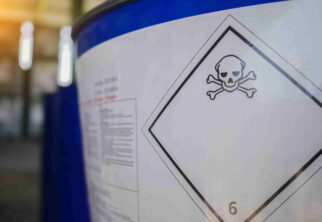
What separates toxic waste from corrosive, reactive, and ignitable wastes is the former’s potential lethality. Toxic waste can cause severe harm or death to living organisms when ingested, inhaled, or absorbed through the skin. It can also cause a public health emergency, contaminate the environment, and harm surrounding wildlife. This characteristic distinguishes toxic waste from other hazardous materials, highlighting the importance of recognizing the unique risks associated with toxicity.

Toxic waste can manifest in various forms, including poisonous substances that can cause harm or even death, radioactive materials that emit harmful radiation, explosive materials that can cause damage or harm, and carcinogenic substances that increase the risk of cancer. Additionally, toxic waste can also be mutagenic, causing damage to chromosomes and potentially leading to genetic mutations, teratogenic, causing birth defects, or bioaccumulative, where toxins concentrate at the high ends of the food chain, posing a risk to the environment and human health.

How Toxic Waste is Categorized

Toxic waste originates from three primary sources: medical, chemical, and radioactive substances. Toxic medical waste involves biological materials that harbor infectious agents and pathogens, such as tissues, bodily fluids, and contaminated items. Chemical waste encompasses a broader range of hazardous substances, including highly toxic, explosive, corrosive, or capable of causing harm through prolonged exposure. This category also includes heavy metals, such as arsenic, cadmium, and lead, which pose significant environmental and health risks. Radioactive waste is generated from materials that emit ionizing radiation, including elements and compounds that interact with or contain radioactive substances. This category also encompasses materials that come into contact with radioactive elements, such as those used in nuclear power plants, like cooling water and reactor rods.

Toxic waste is one of four types of hazardous waste. Identifying and knowing the differences between toxic vs. hazardous waste is vital to ensure a safe and healthy work environment. Proper handling of hazardous and toxic materials is crucial for protecting the health and safety of individuals and the environment. Understanding the distinction between toxic vs. hazardous waste can also benefit businesses by reducing costs and enhancing their reputation. Failure to manage these substances correctly can result in severe penalties, including fines and license suspension, as well as damage to a company’s reputation and relationships with the community.

Maine Labpack offers numerous hazardous waste removal services and disposal options to ensure your facility is always compliant. Please call if you have questions or concerns about toxic and other hazardous wastes generated by your business or organization. To learn more about how we can help you properly manage your hazardous waste, or if you want more information about our removal services, don’t hesitate to contact one of our experts today.  

5 Important Factors to Consider Before Moving Your Lab

Lab relocation specialists help public and private companies, businesses, and institutions manage the process of moving their laboratories. Understanding the unique requirements of moving labs is as challenging as it is demanding. It involves various multifaceted tasks, from meticulous planning and understanding of chemical properties to knowledge of decontamination methods and transportation regulations. Most importantly, each step must be carried out precisely and in compliance with all relevant regulations to ensure a safe and efficient move.

Because relocating a scientific laboratory is a complex and significant undertaking, it requires careful consideration of numerous factors to ensure the transition is completed successfully. If you are planning on relocating your lab in the near future, here are 5 important factors to consider before moving your lab that can help ensure the relocation is a smooth one:

1. Plan the Relocation Early

Successful lab relocation projects hinge on thorough early planning and readiness to address potential problems and costs. It’s important to develop a comprehensive plan outlining every step of the relocation process–planning, coordination, and execution, to ensure safety, regulatory compliance, and minimal disruption when relocating. Making a detailed project plan early on also helps identify any potential issues, defines the extent of the project, allows for budgeting, and establishes a realistic timeline for the move, including key milestones and deadlines to minimize downtime.

2. Hire a Lab Relocation Specialist

Although often overlooked, it’s advisable to hire an established relocation partner as soon as possible—one with a solid history in managing intricate lab relocations. Lab relocation specialists are professionals who assist in planning and executing the process of moving a laboratory from one location to another. They provide expertise in managing the unique challenges of transporting lab equipment, specimens, and data. They develop detailed plans to minimize disruptions, ensure business continuity, and help lab staff adapt to the new environment. Their goal is to make the transition as smooth and efficient as possible.

3. Regulatory and Compliance Issues

Another important factor to consider in a lab relocation is to ensure the lab is in compliance with regulations involving the moving of hazardous materials from one lab to the other. Unlike other projects, preparing and moving potentially hazardous materials and equipment must be managed to adhere to federal and state guidelines and regulations to ensure public safety and minimize any environmental risks associated with the materials. This is another important role experienced lab relocation specialists play. Rather than risk fines and other penalties for non-compliance, hire only qualified professionals with the expertise and experience to ensure that all materials are packaged, handled, and transported in compliance with all safety and regulatory standards.

4. Update Your Inventory and Move Only What’s Needed

Planning and preparing your lab relocation presents the perfect time to update your chemical and equipment inventories. There’s no reason to move outdated, unnecessary, or unused materials and equipment. Unused or surplus equipment may be donated. This would include items such as laboratory equipment, plastic ware, glassware, and excess office supplies. On the other hand, broken equipment and any chemical, biological, or radioactive supplies and materials that are dated or waste must be identified and disposed of before relocating. Waste containers, even empty ones, should not be moved to your new location. Instead, consult with your lab relocation specialist or contact your hazardous waste management provider to arrange the safe removal and disposal of any dated or used hazardous materials and containers.

5. Post Relocation Lab Decontamination

Once you have relocated your lab to a new facility, the old facility needs to be properly decommissioned. If your lab has been conducting R&D with any chemical, biological, or radioactive materials, then that laboratory needs to be decontaminated by experienced professionals to ensure the facility is free of hazardous materials. Research laboratory decommissioning procedures are a standard practice that must be adhered to to relieve your company of any potential and existing hazardous material contamination due to prior research activities at the site.

If you’re planning a move, Maine Labpack, Inc., specializes in relocating laboratories. Our team of lab relocation specialists will help you safely and efficiently perform a successful lab relocation and ensure that your lab move will fully comply with hazardous materials regulations. To learn more about our lab relocation and waste disposal services, contact us today to speak with one of our lab relocation experts.

6 Common Hazardous Waste Handling Mistakes (and How to Avoid Them)

Though mistakes in hazardous material handling can happen, it’s important to recognize that most of these mistakes are avoidable, if not preventable. Hazardous waste handling mistakes can result in significant financial penalties and ruin your standing in the community.

Because the consequences of non-compliance can be severe regarding the risks to public health and the environment, every hazardous waste generator needs to prioritize understanding and following all hazardous material handling guidelines. Here are some common hazardous waste handling mistakes and the steps you can take to avoid them.

1. Improperly Labeled Hazardous Waste Containers

Failure to accurately label hazardous waste containers is not simply one of the leading hazardous material handling mistakes but a violation of the law. EPA requires waste generators to accurately mark containers for storing hazardous waste onsite, and the Department of Transportation (DOT) requires the same for shipping. Common mistakes generally stem from unintentional employee error, confusion, or oversight and include failure to attach a label, incomplete information on the label, missing DOT placard labels, or incorrect waste details. Such oversights can have serious consequences, including potential safety risks and environmental dangers that lead to violations and costly fines. To remain compliant and to ensure proper labeling, organizations should consider assigning specific personnel to handle labeling designated containers beforehand so employees know how and where to dispose of hazardous waste materials correctly.

2. Container Violations

Open, loosely sealed, or leaking containers violate the law. Yet, this is a common mistake made by hazardous waste generators. Except adding or removing waste, the EPA and state agencies mandate that all hazardous waste containers must be closed and securely fastened when not in use. Containers must also be properly maintained and in good condition with no signs of degrading to ensure against ruptures or leaks. This practice is intended to prevent the release of harmful fumes or substances that could pose a risk to human health in the workplace or spilling hazards that could result in contamination and closure of a facility. Adhering to this guideline is essential for maintaining compliance with everyone involved in the waste management process. To avoid fines and violations, be sure container lids are secure and assign personnel to routinely inspect containers for any signs of rusting, cracking, or leaking.

3. Lack of Training For Employees

Another area prone to hazardous waste handling mistakes that result in fines is the number of employees who lack proper training in handling hazardous waste material. By law, all employees and personnel in companies, facilities, and organizations that generate hazardous materials must undergo training in handling and storing the material properly. Types and extent of training can be affected by the organization’s generator status or job requirements. For example, employees at small-quantity generator sites need to be trained in the proper handling and storage of hazardous waste material and emergency response protocols. However, annual personnel training is mandatory for large-quantity generators. Individuals involved in hazardous waste or responsible for loading and unloading, as well as those who sign the “Hazardous Waste Manifest,” must undergo training in the DOT Hazardous Materials regulations.

4. Insufficient Emergency Response Plan

Having a hazardous waste emergency response plan is mandated by both OSHA and EPA regulations. Not doing so can result in regulatory penalties. However, numerous organizations often fail to plan effectively for real-world situations. Your emergency strategy should cover up-to-date facility maps, specific procedure signs, and clear communication channels. Businesses that regularly practice their emergency responses tend to have higher success rates, as they can pinpoint and rectify steps that aren’t effective in actual scenarios. Organizations should assign an emergency coordinator, there should be a detailed evacuation plan, and employees should know where to go and what to do in the event of an emergency. There should be a list of relevant phone numbers and protective equipment if needed.

5. Insufficient Personal Protective Equipment

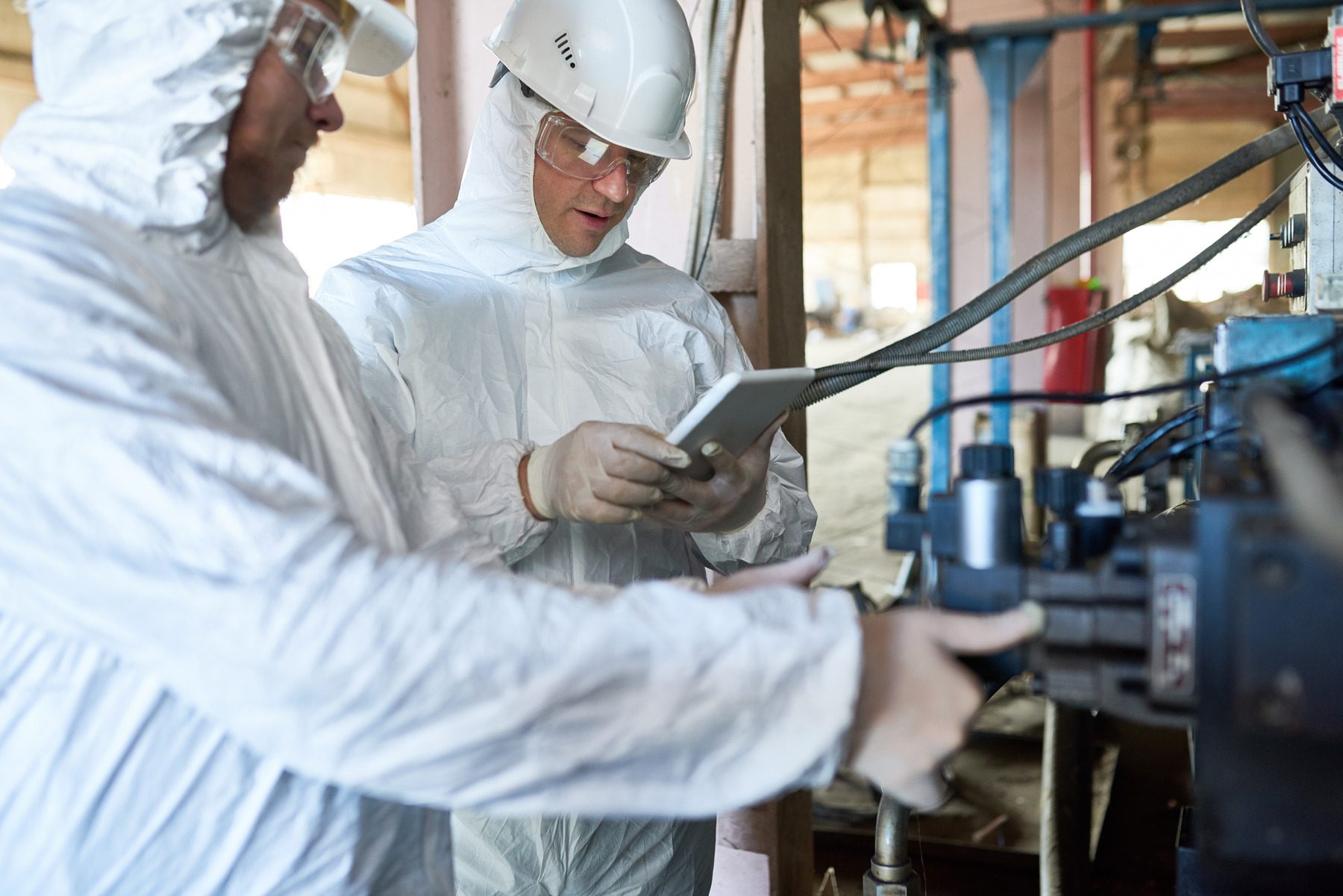
Having the correct equipment can be life and death in a hazardous waste emergency. Protecting employees from hazardous materials requires proper personal protective equipment (PPE) compatible with the hazardous material your facility or institution is generating. Insufficient and inadequate PPE can lead to a range of injuries. To ensure employee safety, it is essential to maintain an adequate supply of gowns, gloves, shoe covers, and goggles on-site. Ventilation masks may also be necessary depending on the specific waste your business handles. Failure to provide PPE can result in significant fines from OSHA.

6. Hazardous Waste Identification and Determination

Incorrect or improper identification of hazardous waste material is a common violation of hazardous waste regulations. Before any material waste is generated onsite, whether in a lab or facility, the material must be properly identified and a waste determination made. The term ‘waste determination’ refers to the procedure used to evaluate, identify, and determine whether any waste generated by any person, facility, or organization, be it a solid, liquid, sludge, or gas, holds any hazardous properties. If so, a determination must be made for each type and flow of waste generated at a facility or establishment, and the hazardous material needs to be classified. Regular reviews of waste generation, processes, and storage locations can be beneficial in maintaining compliance with federal and state regulations.

Avoiding hazardous material handling mistakes protects your employees and the environment and ensures your facility complies with regulations that can otherwise lead to violations and fines. Since 1977, Maine Labpack has offered various hazardous waste handling services to help generators manage their hazardous materials and avoid costly mistakes. If you have questions or concerns regarding hazardous waste material handling and regulations at your facility, contact us today.

What Are the Different Types of Waste Streams?

Proper waste stream management involves systematically handling and controlling the flow of various types of waste generated by communities and organizations. Understanding different waste streams is crucial for protecting public health, ensuring environmental safety, and maintaining compliance with state and federal regulations. In Maine, waste management is governed by the Maine Hazardous Waste, Septage, and Solid Waste Management Act (Title 38, Chapter 13) and the Maine Hazardous Waste Management Rules (06-096 CMR 850).

1. Municipal Solid Waste (MSW)

Municipal Solid Waste (MSW), or household waste, includes everyday items discarded by households, businesses, institutions, and some industrial sources. Common components include:

  • Food scraps
  • Paper and cardboard
  • Plastics and glass
  • Metals and textiles
  • Yard waste
  • Household hazardous waste (paints, cleaners, batteries)

In Maine, MSW is managed through curbside collection, recycling programs, and municipal landfills or transfer stations. The Maine Department of Environmental Protection (DEP) provides guidelines for proper disposal and recycling of MSW to minimize environmental impact.

2. Industrial Waste

Industrial waste comes from manufacturing, mining, agriculture, and energy production. It can include:

  • Packaging materials
  • Office waste
  • Manufacturing byproducts
  • Chemical waste
  • Solid, liquid, and gaseous waste

Due to its potential to harm human health or the environment, industrial waste must be handled, transported, and disposed of according to federal, state, and local regulations. Businesses in Maine must comply with DEP and EPA standards.

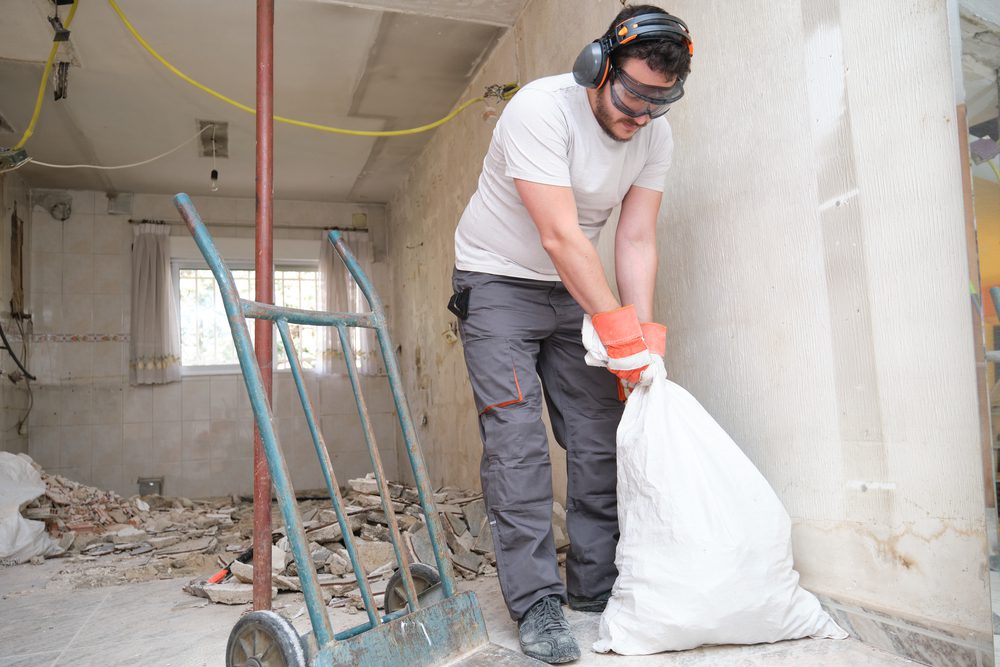
3. Construction and Demolition (C&D) Waste

C&D waste is generated from construction, renovation, demolition, and site-clearing activities. Typical materials include:

  • Concrete and bricks
  • Asphalt and roofing materials
  • Wood and drywall
  • Metals and glass
  • Excavated soil and rocks
  • Hazardous materials like lead-based paints and asbestos

Maine regulations require proper disposal and recycling of C&D waste at licensed facilities. The DEP provides guidelines to ensure environmentally responsible management.

4. Liquid Waste

Liquid waste includes fluids discarded after use, such as:

  • Used oils and lubricants
  • Cleaning agents and solvents
  • Paints and coatings
  • Industrial process wastewater

Maine enforces strict standards for storage, transportation, and disposal of liquid waste to prevent water contamination.

5. Hazardous Waste

Hazardous waste poses significant threats to public health and the environment. It includes materials that are ignitable, corrosive, reactive, and/or toxic.

Facilities generating hazardous waste in Maine must comply with the Maine Hazardous Waste Management Rules (06-096 CMR 850), including labeling, storage, transportation, and disposal requirements.

6. Universal Waste

Universal waste is a category of hazardous waste that is commonly generated by households and businesses, with simplified handling regulations to encourage recycling. It includes:

  • Batteries
  • Pesticides
  • Mercury-containing equipment
  • Lamps (e.g., fluorescent bulbs)
  • Aerosol cans

Maine has adopted EPA universal waste regulations, allowing safer storage, recycling, and disposal.

7. Biomedical Waste

Biomedical or infectious waste is generated from medical, dental, and veterinary procedures and may contain infectious agents. Examples include:

  • Used needles and syringes (sharps)
  • Bandages and dressings
  • Pathological waste (tissues, organs)
  • Contaminated PPE (gloves, masks)

Maine regulates biomedical waste under the Biomedical Waste Management Rules (06-096 CMR 900). Healthcare facilities must register with the DEP and comply with packaging, labeling, storage, transportation, and disposal requirements.

8. Electronic Waste (E-Waste)

E-waste includes discarded electronic devices and equipment, such as:

  • Computers and monitors
  • Televisions
  • Cell phones
  • Printers and fax machines

E-waste often contains hazardous materials like lead, mercury, and cadmium. Maine requires e-waste to be recycled at certified facilities to prevent environmental contamination.

Frequently Asked Questions (FAQs)

What is the difference between hazardous waste and universal waste?
Hazardous waste
poses substantial threats to health or the environment. Universal waste is a subset of hazardous waste, like batteries or lamps, regulated with simpler requirements to encourage recycling.

How can I determine if my waste is hazardous?
Consult Maine Hazardous Waste Management Rules and EPA guidelines. Waste exhibiting ignitability, corrosivity, reactivity, or toxicity may be hazardous. DEP can assist in identification.

Are there penalties for improper disposal of waste in Maine?
Yes. Improper disposal can result in fines and legal action. Compliance with regulations is essential to avoid penalties.

Where can I recycle electronic waste in Maine?
Certified e-waste recycling facilities accept electronic waste. Many municipalities host collection events. Always use certified facilities to prevent contamination.

How can I ensure my business is compliant with waste management regulations?
Identify and classify waste streams, maintain records, implement proper storage and labeling, use licensed disposal facilities, and stay informed about state and federal regulations.

Partner with Maine Labpack for Expert Waste Management

Managing multiple waste streams can be complex, and non-compliance carries significant risks. Maine Labpack offers professional waste management services to help businesses and institutions handle every type of waste safely and in accordance with Maine regulations.

Our team provides guidance, licensed disposal, and recycling solutions for municipal solid waste, industrial waste, hazardous materials, e-waste, biomedical waste, and more. Whether you need help identifying your waste streams, setting up proper storage and labeling systems, or coordinating safe disposal, we can ensure your facility remains compliant and environmentally responsible.

Contact Maine Labpack online or call us at (207) 767-1933 to discuss your waste management needs and develop a customized disposal plan that meets regulatory requirements.

Proper Hand Sanitizer Disposal: What You Need to Know

If your organization is dealing with the issue of proper hand sanitizer disposal as a consequence of Covid-19 then you’re not alone. Proper hand sanitizer disposal is necessary due to the environmental and safety risks associated with its chemical composition, which, as unlikely as it sounds, classifies it as a hazardous material. Most hand sanitizer is composed of isopropyl or ethyl alcohol, which is highly volatile if ignited and very harmful if swallowed or if its vapor is inhaled.

Large quantities of excess hand sanitizer left over from the pandemic have reached or far exceeded their expiration dates and need to be properly disposed of as hazardous waste. The same hand sanitizer used to curb the spread of infection is now causing a major hazardous waste management problem for municipalities, businesses, facilities, and institutions around the world.

Hand sanitizer is classified as a hazardous waste due to the flammable properties derived from its high alcohol content. As a hazardous waste, expired hand sanitizer cannot be simply tossed in the trash or flushed down the toilet—the consequences could cause great harm. Pouring gallons of alcohol-based sanitizer down the drain can lead to contamination of water sources or potentially create enough flammable vapor in the local sewer system to generate an explosion. That vapor is also toxic and can pose serious health risks if inhaled.

If your company, institution, or organization has large, excess quantities of expired hand sanitizer stored onsite, it will need to be properly disposed of as hazardous waste following the guidelines and protocols of the EPA and your state environmental agency. In Maine, that would be the DEP, the state Department of Environmental Protection. As a hazardous waste, the hand sanitizer cannot be stored indefinitely.

By law, companies and institutions that handle hazardous materials have a legal responsibility to ensure the material is properly managed at all times. From the moment of possession, organizations must comply with the regulations that govern the safe storage, transport, and disposal of hazardous material. Companies must dispose of excess hand sanitizer as any hazardous waste by following specific guidelines to ensure its proper handling and minimize environmental and safety risks. Failure to comply with these regulations can result in legal consequences and penalties.

Here’s what you need to know to properly handle and dispose of the excess hand sanitizer:

Identify and Separate

Companies should identify hand sanitizers that are expired or unused and segregate them from regular waste. This helps prevent accidental exposure and ensures that hazardous waste is managed separately.

Proper Storage

Hand sanitizers should remain in their original containers or designated containers that are compatible with their chemical properties. They should be placed in cool, dry storage areas that are well-ventilated and away from sources of ignition.

Labeling

Containers holding expired hand sanitizers must be clearly labeled with appropriate hazard symbols and information, including the contents, date of accumulation, and any relevant safety precautions.

Transportation

The transportation of hand sanitizer for disposal must follow federal and state guidelines and regulations for the safe handling and transportation of hazardous materials. This may involve using specialized containers, providing detailed documentation stating the quantity and type of hazard, and complying with transportation regulations.

Disposal

Excess hand sanitizer should be disposed of through licensed waste management companies at designated facilities authorized to handle hazardous waste. These facilities employ methods such as incineration, chemical treatment, fuel blending, incidental reduction, or recycling to safely process hazardous materials while minimizing environmental impact.

If your company purchased large quantities of hand sanitizer that has since expired and is facing challenges in disposing of it, it may be time to contact a company that specializes in hazardous chemical waste disposal services. Maine Labpack is one such company with decades of experience in handling and disposing of hazardous materials safely and in compliance with environmental regulations. We have the expertise and resources to ensure that hazardous hand sanitizer is managed properly, minimizing risks to human health and the environment.

Maine Labpack can provide a comprehensive and informative waste audit and analysis for companies and institutions that have large quantities of hand sanitizer on site that need to be properly disposed of. For more information about how we can help your organization manage and properly dispose of excess hand sanitizer at your facility, contact Maine Labpack. We offer a variety of proper waste disposal solutions.

6 Reasons Small Businesses Need Professional Hazardous Waste Management

State and federal regulations for business hazardous waste disposal apply to any company, large or small, that generates hazardous waste. Even if you have a small business that generates a low volume of hazardous waste, by federal and state law, that small amount of hazardous waste needs to be handled properly for disposal.

If you operate a small business that is generating hazardous waste you must first determine the amount and type of hazardous waste generated, and then acquire a hazardous waste permit. Though the EPA regulates hazardous waste, most hazardous waste permits are issued through state environmental agencies under federal guidelines. In Maine, that would be the state’s Department of Environmental Protection (DEP).

Once it is determined that a business generates hazardous waste they are assigned a generator status based upon the volume of hazardous waste the company produces. Under federal law and Maine law, a business’s generator status falls under one of three categories, appropriately named—Very Small Quantity Generators (VSQGs), Small Quantity Generators (SQGs), and Large Quantity Generators (LQGs), or the Maine equivalent quantity generator status, SQG, SQG Plus, and LQG.

There are very few exceptions to the hazardous waste permit program. Businesses will need to check with the DEP to determine whether or not they are eligible for exemption. Otherwise, by law, the safe management of hazardous waste is not only the responsibility of the business generating it but, in general, an excellent idea for your self-preservation. Hazardous waste has the potential to pose a very serious threat to human health and the environment, which, regarding the latter, may include the contamination of your place of business, premises, or work site.

Thus, even for small businesses, hazardous waste disposal presents many challenges beginning with its proper management from the cradle-to-the-grave by regulations. This means safe containment and storage, correct labeling, transportation, treatment, accident prevention, emergency response protocols if necessary, and more. All must be adhered to.

Why Small Businesses Need Professional Hazardous Waste Disposal

Here are six important reasons that professional hazardous waste management services are essential for small businesses:

1. Compliance

As mentioned, the proper management and disposal of hazardous waste is mandated by federal and state regulations to protect public health and the environment. Businesses that generate hazardous waste must comply with the laws governing its proper management. Professional hazardous waste management services work with you to ensure your business complies with all relevant laws and regulations, avoiding potential liabilities.

2. Expertise and Resources

Professional hazardous waste management companies have the knowledge, experience, and resources to handle a wide range of hazardous materials safely and efficiently. They can guide waste classification, storage, transportation, and disposal, as well as ensure that regulatory requirements and best practices for managing hazardous waste are met. In doing so, small businesses are relieved of the burden of managing these complex processes internally.

3. Cost-Efficiency

While it may seem like an additional expense upfront, professional hazardous waste management can save small businesses money in the long run. Mishandling of hazardous waste can lead to costly accidents and environmental cleanups, legal fees and fines, and damage to reputation that can result from improper waste management practices.

4. Safety

Handling hazardous waste requires specialized knowledge, equipment, and training to minimize the risk of accidents, spills, and exposure to harmful substances. Professional management services help mitigate these risks by implementing proper handling procedures, training employees on safety protocols, and ensuring compliance with regulations.

5. Focus on Business

Outsourcing hazardous waste management to professional services allows small businesses to focus on their core activities while ensuring compliance, safety, and environmental responsibility in waste management practices.

6. Peace of Mind

Entrusting hazardous waste management to professionals, small businesses can have peace of mind knowing that their waste is being handled safely, legally, and responsibly. By demonstrating a commitment to proper hazardous waste management, they can also enhance their reputation and brand image, attracting environmentally-conscious customers and investors.

Contact the Professionals at Maine Labpack

Maine Labpack is a professional hazardous waste management company that provides hazardous waste disposal for small businesses throughout the state and New England region. We are a licensed provider and offer comprehensive hazardous waste collection services to ensure our customers comply with Maine regulatory obligations. If you are unsure of or need help with your business hazardous waste disposal, contact the professionals at Maine Labpack. 

What Hazardous Materials Should Be Transported in a Lab Pack?

Lab pack waste refers to any type of waste composed of hazardous materials or like waste that may hold hazardous properties. This waste can include a wide range of materials, liquid, gas, or solid, that can pose a threat to human health and the environment if not handled properly. The use of the lab pack has proven to be an effective means for companies, organizations, and institutions that generate hazardous waste materials to safely remove, transport, and dispose of these materials. Above all, lab packing helps them remain compliant with federal, state, and local regulations for the proper disposal of hazardous waste. 

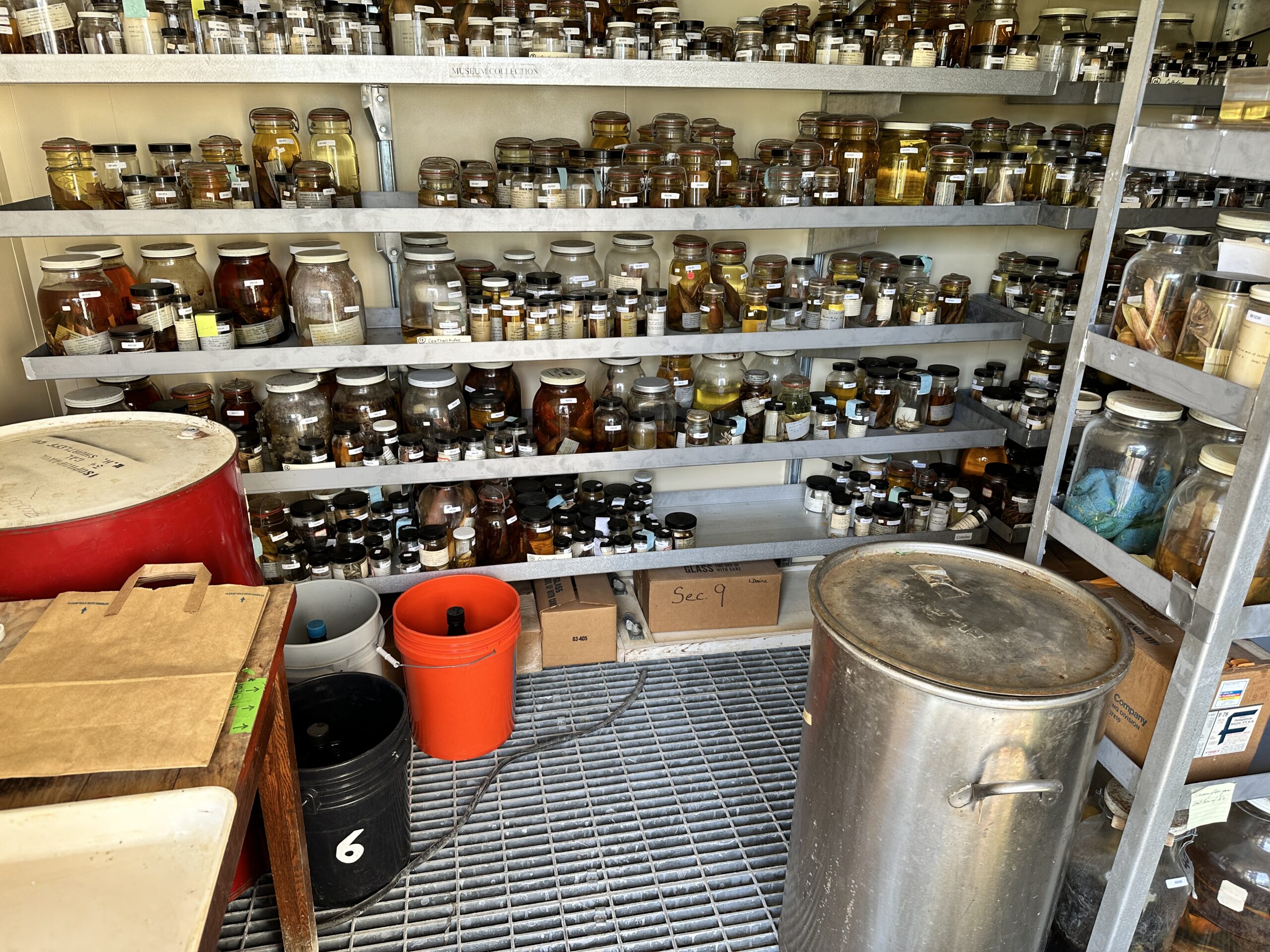
Laboratories, hospitals and medical centers, manufacturers, warehouses, and educational institutions generate a significant amount of hazardous waste each year in small amounts that must be properly managed. Generators may unintentionally accumulate numerous smaller containers of hazardous waste—varying types of chemicals, solvents, reagents, solutions, and so forth, that may go unused or expired. By law, these hazardous materials cannot be permanently stored onsite. Generators have between 90 and 180 days, depending on their generator status, to remove the hazardous material.

Correctly discarding these materials, however, can be challenging, costly, and time-consuming. Lab packs are a cost-effective way and approved method that helps to ensure safe transportation and disposal of the material. For any industry or organization generating hazardous waste, fully understanding a lab pack, the benefits of lab packing, and the type of materials that can be transported, is essential to remaining compliant.

What Is a Lab Pack?

A lab pack is a specially designed drum-shaped container that can be filled with many other small containers of hazardous waste packed in non-biodegradable absorbent materials. The purpose of a lab pack is to consolidate and manage these materials in a manner that minimizes the risk of spills, leaks, and exposure to personnel and the environment. A container typically holds approximately 55 gallons of waste. Once the smaller containers of waste are placed within the lab pack, they are carefully sorted and cushioned with inert packing material that ensures compliance and allows for the safe transport and disposal of the waste.

Lab packing allows businesses, organizations, and institutions to safely collect, store, and transport smaller containers of hazardous waste materials generated by them. These materials can include chemicals, solvents, acids, aerosols, bases, and other potentially harmful substances.

Lab packing is a procedure used to categorize, inventory, package, and dispose of small amounts of hazardous materials, chemicals, and laboratory waste. It not only offers organizations a convenient and cost-effective option for transporting hazardous materials off-site but allows for the safe transportation and disposal of these materials while adhering to Department of Transportation regulations. Lab packing also streamlines the disposal process by packaging multiple small containers of waste into a single drum. This allows hazardous waste management companies to better prepare the hazardous materials and substances for proper disposal and also ensures that organizations meet regulatory requirements for shipping the materials.

What Type of Hazardous Materials Should Be Transported in Lab Packs?

Lab packs are designed to transport small quantities of various hazardous materials found at or generated by laboratories, businesses, pharmaceutical companies, schools, universities, medical facilities, hospitals, or maintenance departments as a byproduct of industry.

Materials that should be disposed of in lab packs include chemicals, acids, bases, and reagents; aerosols, compressed gases, and organic peroxides, oxidizers and solvents; medical waste and cleaning and disinfecting agents; toxic, flammable, corrosive, pyrophoric or explosive materials; and inks, dyes, paints, paint thinners and varnish strippers; radioactive materials and reactive materials from metals, mixed and universal waste, and even unknown or unlabeled waste.

Following regulatory requirements as well as safety, it’s important to properly identify and segregate these hazardous materials to ensure they are packed properly and to prevent any incompatible materials from coming into contact with each other, which could lead to dangerous reactions.

Contact the Lab Pack Professionals at Maine Labpack

Lab pack waste services provide businesses, organizations, and institutions with a safe and effective way to dispose of these hazardous materials. Maine Labpack is one of New England’s leading providers of hazardous waste management services, offering sustainable waste management solutions to customers throughout the region since 1997. If you have questions or need more information about lab packing, reach out to Maine Labpack today.

6 Helpful Tips for Handling Hazardous Waste in Maine

Maine hazardous waste regulations are directed by the State of Maine Department of Environmental Protection (DEP). The DEP issues regulations and establishes rules that govern the safe management and transportation of hazardous wastes in the state to protect people, workers, communities, and the environment. Though the framework for the state rules and regulations are built upon the minimum Federal rules, they are tailored to Maine’s unique coastal and inland environment and its strong reliance on groundwater for drinking water.

The business of properly handling hazardous waste in Maine is taken very seriously. All hazardous waste generated in the state must be properly handled and disposed of following DEP rules and regulations. Failure to comply with hazardous waste disposal regulations can penalize organizations and businesses.

To ensure that your company, lab, or institution is up-to-date and in compliance with the law, here are 6 helpful tips for handling hazardous waste in Maine:

1. Proper Storage Containers

The use of appropriate hazardous waste storage containers is essential for safe disposal. Hazardous waste materials must be stored and sealed in containers compatible with the waste being stored there. Incompatible wastes cannot be stored or mixed in the same container. Containers have to be in good condition, without any rust or cracks that could result in leaks or spillage, and made of weather and corrosion-resistant materials.

2. Designated Storage Areas

Facilities, labs, and institutions should have a designated area within the building to store hazardous waste. Inspections of the containers in storage areas should be conducted at least once a week. Inspectors should check to ensure the containers are sealed properly, look for any signs of wear or leakage, and document in writing the date, time, observations, and repairs if needed.

3. Labeling and Marking

Hazardous waste must be properly labeled and marked with hazardous waste stickers to protect handlers from hazardous material. Labeling or marking of tanks, barrels, or any kind of container used for storage, accumulation, and shipping is mandated by law. The hazardous waste stickers should correctly identify the presence of hazardous materials, the generator of that waste, when the waste was placed in the container, and its composition, i.e., the hazardous properties of the waste. The stickers must be placed in clearly visible locations on the container for easy reading.

4. Hazardous Waste Training

Hazardous waste training of personnel is mandated by law for all employees who handle hazardous waste for your company or organization. All employees handling hazardous waste must be properly trained by successfully completing a training program directed by a person trained in hazardous waste management procedures. Instruction may be in the classroom, through computer-based online training, or direct on-the-job training. At a minimum, the curriculum must train facility personnel to be familiar with emergency procedures, emergency equipment, and emergency systems about the generator status of the company or organization.

5. Managing Your Generator Status

Under federal and Maine law, a company’s generator status is determined by how much hazardous waste that company generates per month. The EPA has 3 categories of generators: Very Small Quantity Generators (VSQGs), Small Quantity Generators (SQGs), and Large Quantity Generators (LQGs). Maine’s equivalent quantity generator statuses are categorized as SQG, SQG Plus, and LQG. The state must be notified of any changes in hazardous waste quantity generated. The amount of hazardous waste generated per month can not only affect your status, it impact how waste is properly handled and managed. For example, how much hazardous waste training your employees receive depends on your company’s generator status. LQG facilities must have designated hazardous waste personnel with specialized training in handling hazardous waste. On the other hand, the small generators need only have their hazardous waste personnel “thoroughly familiar” with emergency response systems, and proper waste handling procedures.

6. Maintain Your Generator Identification Number

In Maine, hazardous waste generators must obtain a generator identification number assigned by the EPA and the DEP, including any specific identifying number or letter that the state may assign. Small quantity generators need only a state identification number. Generators can only offer hazardous wastes for disposal to licensed transporters who have obtained an identification number as well.

Contact Maine Labpack

Following these helpful tips will help your organization or business establish the proper procedures and protocols to remain in compliance with Maine hazardous waste regulations. They can also help ensure your facility, lab, or business, and employees, are protected. If you are unsure of or need help with handling your hazardous waste, contact the professionals at Maine Labpack. We are a licensed provider and offer comprehensive hazardous waste collection services to make sure our customers comply with Maine regulatory obligations.

6 Types of Regulated Medical Waste

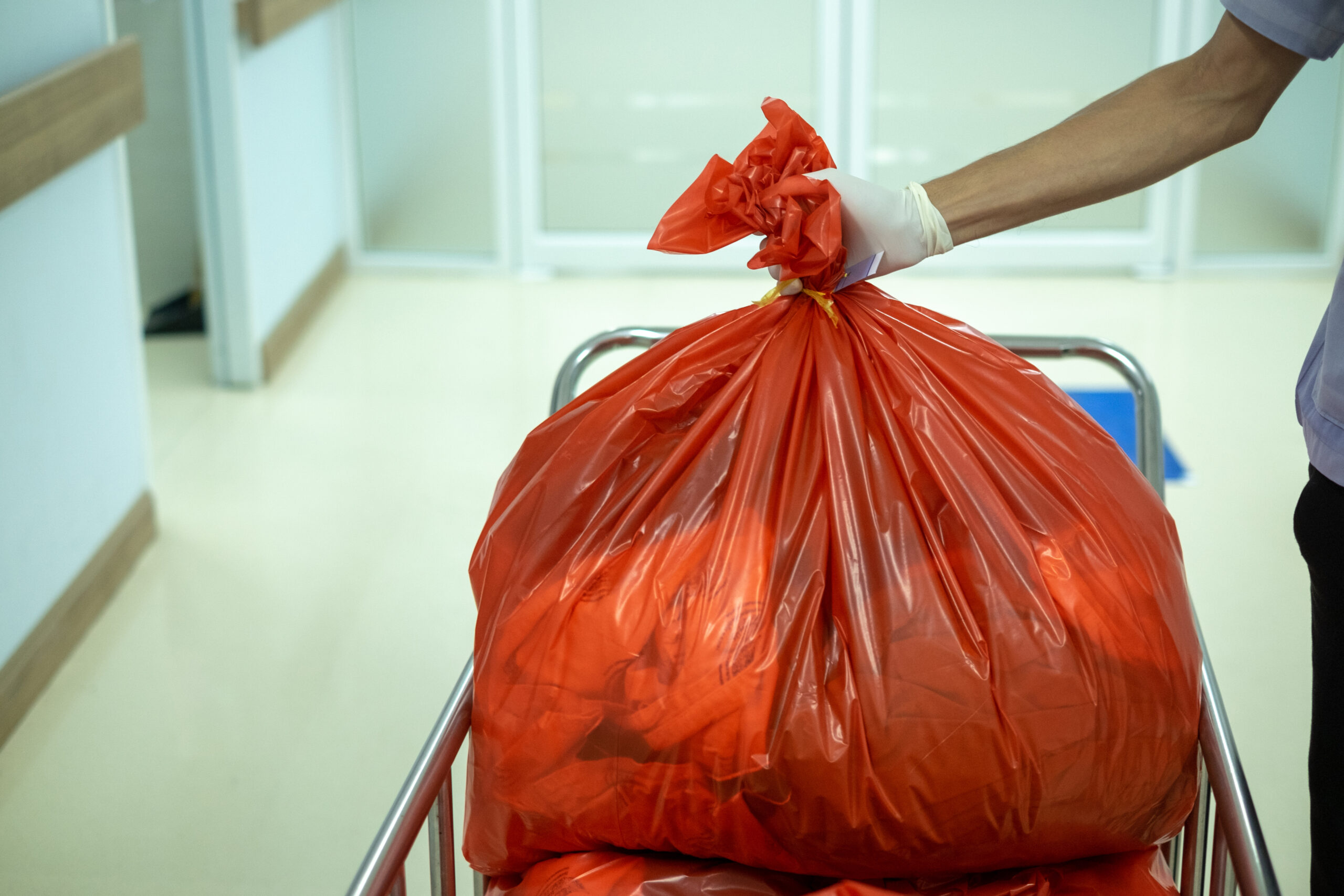
Regulated medical waste is a term applied to any category of biomedical waste contaminated by blood or bodily fluids, or any type of healthcare waste that contains any infectious or potentially infectious materials derived from a person or an animal. Such waste is generated during diagnosis, treatment, or immunization of humans or animals. It can also result from research activities pertaining to biological substances.

The majority of regulated medical wastes are typically generated in hospitals, urgent care facilities, nursing homes, and research laboratories, but also in primary care settings, and in physician, dental and veterinarian offices. Because biomedical waste can pose such serious health risks to humans and the environment, by law, it must be properly managed and disposed of.

Federal Agencies That Regulate Medical Waste

The majority of laws that regulate medical waste are not covered by federal environmental laws or US EPA regulations, except for medical waste that also meets the definition of hazardous waste. Instead, the regulation of biomedical waste, principally, falls under state jurisdiction. State health and/or environmental agencies or departments regulate medical waste in conjunction with a handful of federal agencies that manage certain aspects of regulated medical waste.

These federal agencies include OSHA (Occupational Safety & Health Administration), which administers bloodborne pathogen standards to protect the health and safety of employees. The DOT (Department of Transportation) has specific packaging requirements that regulate the transportation of medical waste. The FDA (Food and Drug Administration) recommends that health care facilities and labs must use FDA-approved sharps disposal containers for used needles and other medically classified sharps. The FDA recommendations follow CDC (Centers for Disease Control) guidelines on how to treat or decontaminate medical wastes for safe handling.

In Maine, the legislature directed the state’s Board of Environmental Protection (BEP) to adopt rules to regulate the handling and disposal of biomedical waste. Maine’s BEP is an independent decision-making authority that is part of the Department of Environmental Protection. The rules issued by the BEP not only identifies what biomedical waste is subject to regulation, but establishes the proper packaging, labeling, handling, storage, transportation and treatment requirements for it.

BEP rules define biomedical waste as those wastes that “… may contain human pathogens of sufficient virulence and in sufficient concentrations that exposure to it …” could affect the public health, its safety and welfare, and that of the environment. The rules further identify six categories of biomedical waste and one category of cytotoxic substances as wastes subject to regulation. The categories of biomedical waste subject to regulation are:

1. Human Blood and Body Fluids

This category of biomedical waste includes discarded human blood, serum, plasma, and any blood products. It also includes discarded body fluids resulting from surgery, obstetrics, emergency care, autopsies, or embalming, including cerebrospinal fluid, synovial fluid, pleural fluid, and also peritoneal fluid, pericardial fluid and amniotic fluid.

Blood or bodily fluid saturated material would include discarded items that are used to perform surgeries, obstetrical procedures, medical treatment, autopsies and so forth that are soaked or dripping with human blood, blood products or body fluids. Surgical gloves and masks, sponges, aprons, dressings, drapes, disposable sheets and towels, underpads, suction canisters, and plastic tubing, used syringes without needles, and dialysis unit wastes are prime examples that fall under this category.

2. Pathological and Anatomical Waste

Human tissues, organs, and anatomical (body) parts including teeth which are discarded from surgeries, autopsies, obstetrical and laboratory procedures are subject to regulation. Pathological wastes are typically small tissue sections derived from biopsies or surgical procedures for examination in a laboratory to understand the nature of a disease or affliction. Anatomical wastes are human tissues, organs, or body parts that are removed during surgery, autopsy, or other medical procedures, and are intended for disposal.

3. Sharps

Medical sharps are those items such as hypodermic needles, syringes, scalpel blades, suture needles, disposable razors, lancets, capillary tubes, Pasteur pipettes, broken glassware, needles attached to IV tubing and dialysis bags, and any other objects capable of causing punctures or cuts, that have been used in patient, animal, and cadaver care, or in medical and biomedical research laboratories.

4. Cultures and Stocks of Infectious Agents

This category includes cultures and stocks of infectious agents that need to be discarded, as well as the culture dishes and devices used to transfer, inoculate and mix the infectious agents. Also, clinical specimens and the associated containers or vials that are ready to be discarded, along with the discarded biologicals and the waste generated from the production of biologicals and recombinant DNA research.

5. Animal Research Byproducts

Any type of biomedical waste generated in animal research facilities that contains organisms or agents not usual to that animal’s normal environment and which are hazardous or pathogenic to humans are considered a regulated medical waste subject to proper management and disposal. This could include carcasses, body parts, bedding or other waste generated by research.

6. Cytotoxic Substances

Wastes from cytotoxic (antineoplastic) drugs that are not identified as hazardous wastes in Chapter 850 per the Department of Environmental Protection regulations, and chemotherapy waste materials that have trace amounts of cytotoxic agents, are to be managed and disposed of as biomedical waste.

Proper disposal of biomedical waste is crucial to prevent health risks to humans and to protect the environment. Maine Labpack offers comprehensive, no-contract biomedical waste disposal services for businesses, facilities and generators of all varieties. We can help ensure your facility is in compliance with regulations and that your personnel, patients, staff and visitors are safe from biomedical hazards of any kind. To learn more about Maine Labpack’s biomedical waste services, please contact us today.