Author: Maine Labpack

What To Do With Household Hazardous Waste

Did you know that the U.S. Environmental Protection Agency (EPA) considers a large number of household products to be hazardous? These materials are considered hazardous waste because they exhibit characteristics that can cause cancer, an explosion, a fire, or a deadly reaction if not used or stored properly. Keep reading to learn more about how to manage household hazardous waste.

(more…)

The Basics of Hazardous Waste

In 1976, legislation called the Resource Conservation and Recovery Act (RCRA) was passed in the United States. It set up the framework for proper waste management. RCRA’s goal is to ensure that wastes, particularly those with hazardous constituents, are managed in an environmentally sound manner. Below, we give you an overview of hazardous waste determination used by the RCRA to regulate hazardous waste management.

What is Hazardous Waste?

The U.S. Environmental Protection Agency (EPA) defines hazardous waste as “waste with properties that make it dangerous or capable of hurting human health or the environment.” The Agency breaks down hazardous waste into four characteristic categories – ignitable, corrosive, reactive, and toxic. Suppose you determine that a waste meets one or more characteristics of a hazardous substance. In that case, a qualified hazardous waste management company must dispose of it, and cannot be thrown away like regular municipal trash. 

Hazardous Waste Identification

Chemicals regulated as hazardous waste fall into one of the four categories listed above and must meet certain parameters within those categories to be considered hazardous. Listed below are the parameters that must be met to be considered hazardous. Some wastes may meet one or more of the specifications.

Ignitability

  • Liquids with a flashpoint less than 60o C or 141o F
  • Solids that burn so vigorously under normal handling conditions that it creates a hazardous environment
  • A liquid or solid that, when burned, readily gives up oxygen molecules and accelerates burning 
  • Gases which readily burn in the presence of an open flame 

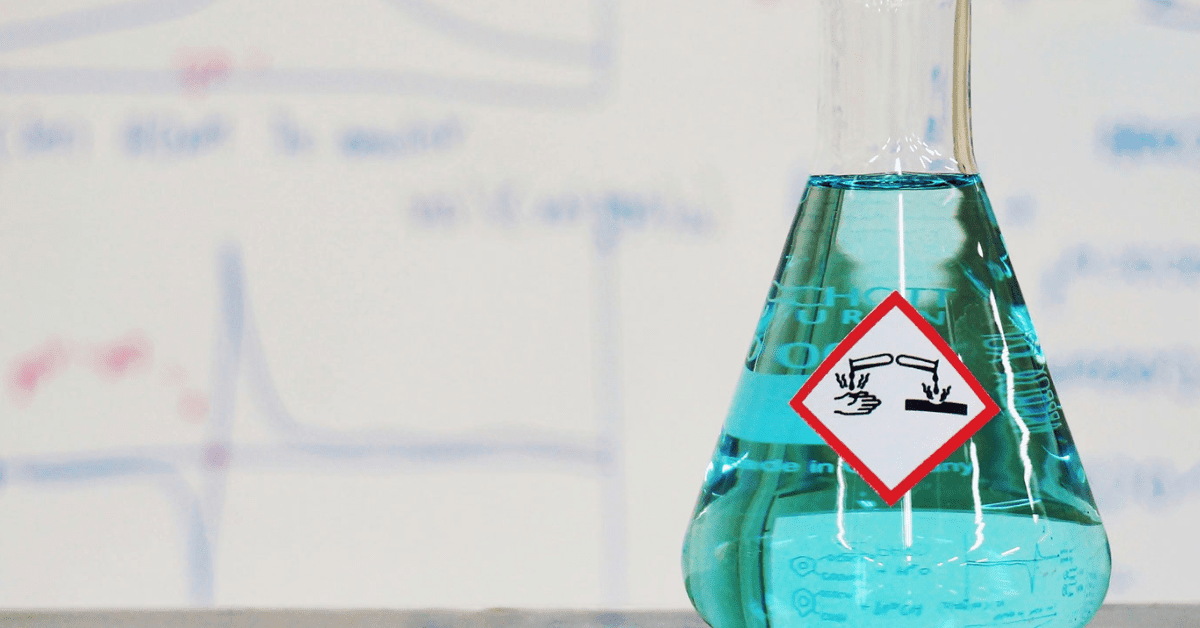
Corrosivity

  • Acids with a pH less than or equal to 2
  • Bases with a pH greater than or equal to 12.5 
  • Liquids that can corrode steel at a rate of 6.3 mm or ¼ inch per year at 55o C or 130o

Reactivity

  • A substance is unstable or undergoes violent change without detonation or heat or can become explosive under standard temperature and pressure
  • A material that reacts violently, becomes explosive, or releases toxic vapors, fumes or gases when it comes in contact with water 

Toxicity

  • Determined by a testing procedure called Toxicity Characteristic Leaching Procedure (TCLP) and can be found in 40 CFR § 261.24.

Managing Your Waste

Do you have hazardous waste? If you are struggling with hazardous waste determination, wondering if your waste is hazardous or what to do with it, contact the professionals at Maine Labpack, Inc. We are a licensed hazardous waste transporter and offer customizable solutions for your disposal needs. 

Contact us to learn more about disposal options, management, and recycling.

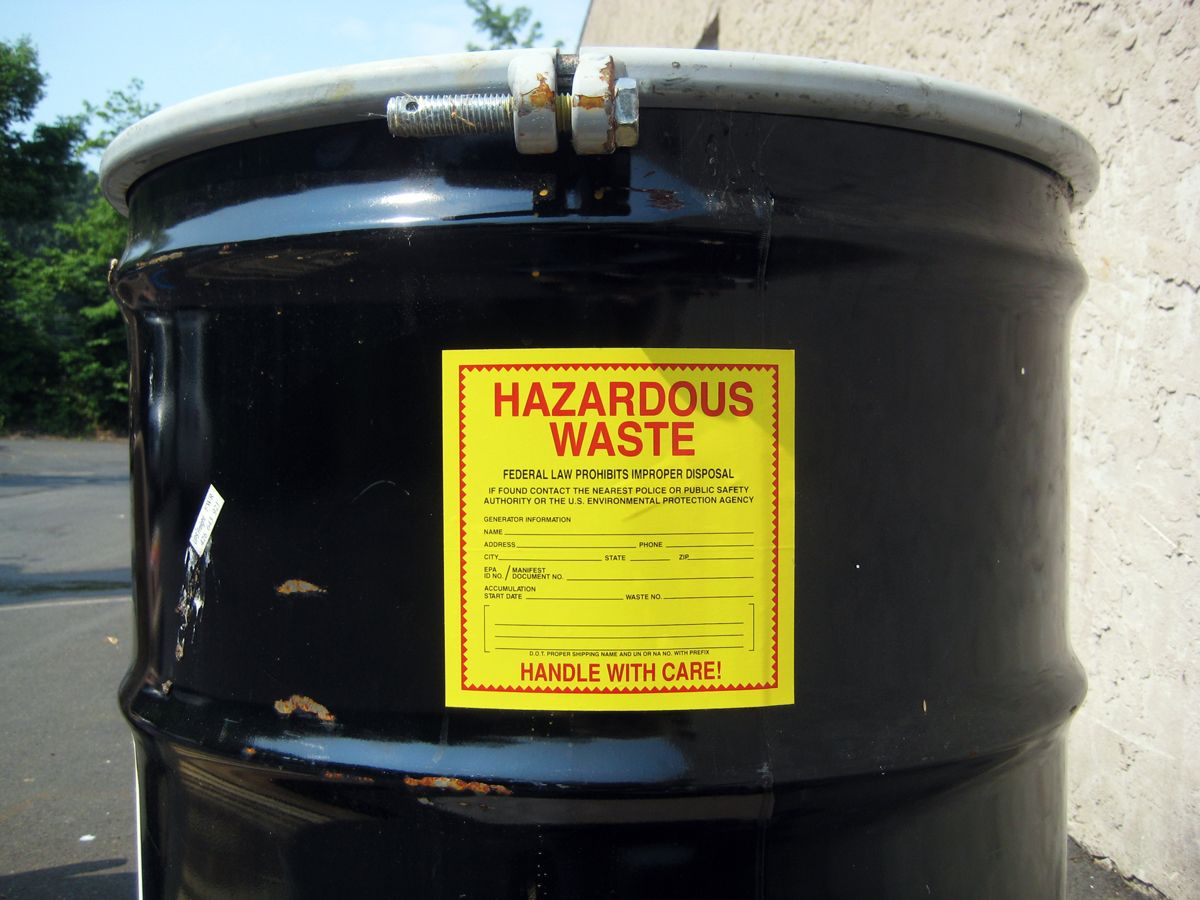
The Anatomy of a Hazardous Waste Label

To stay in compliance, it is imperative that your chemical waste is labeled correctly. It may be difficult and frustrating to navigate federal and state regulations for hazardous waste label information.

However, below we look at each vital component to ensure you are always in compliance. (more…)

Lab Relocation: 5 Things You Need to Know

When building a new facility, often relocating a lab is not at the forefront of contractor’s or management’s minds. Not only do you need to pack and label chemicals for transportation, but all regulations must also be taken into account to ensure you are in compliance along the way during a lab relocation. (more…)

Writing an Effective Hazardous Materials SOP

If you operate a facility that uses hazardous materials, you must have standard operating procedure (SOP) documents illustrating how to perform tasks. An SOP is a set of instructions describing how to perform activities safely. An effective SOP is written to clearly illustrate imminent dangers, how to perform tasks safely, and what equipment should be used. We’ve put together a quick guide about writing standard operating procedures for waste management.

(more…)

Maine Hazardous Waste Storage Requirements

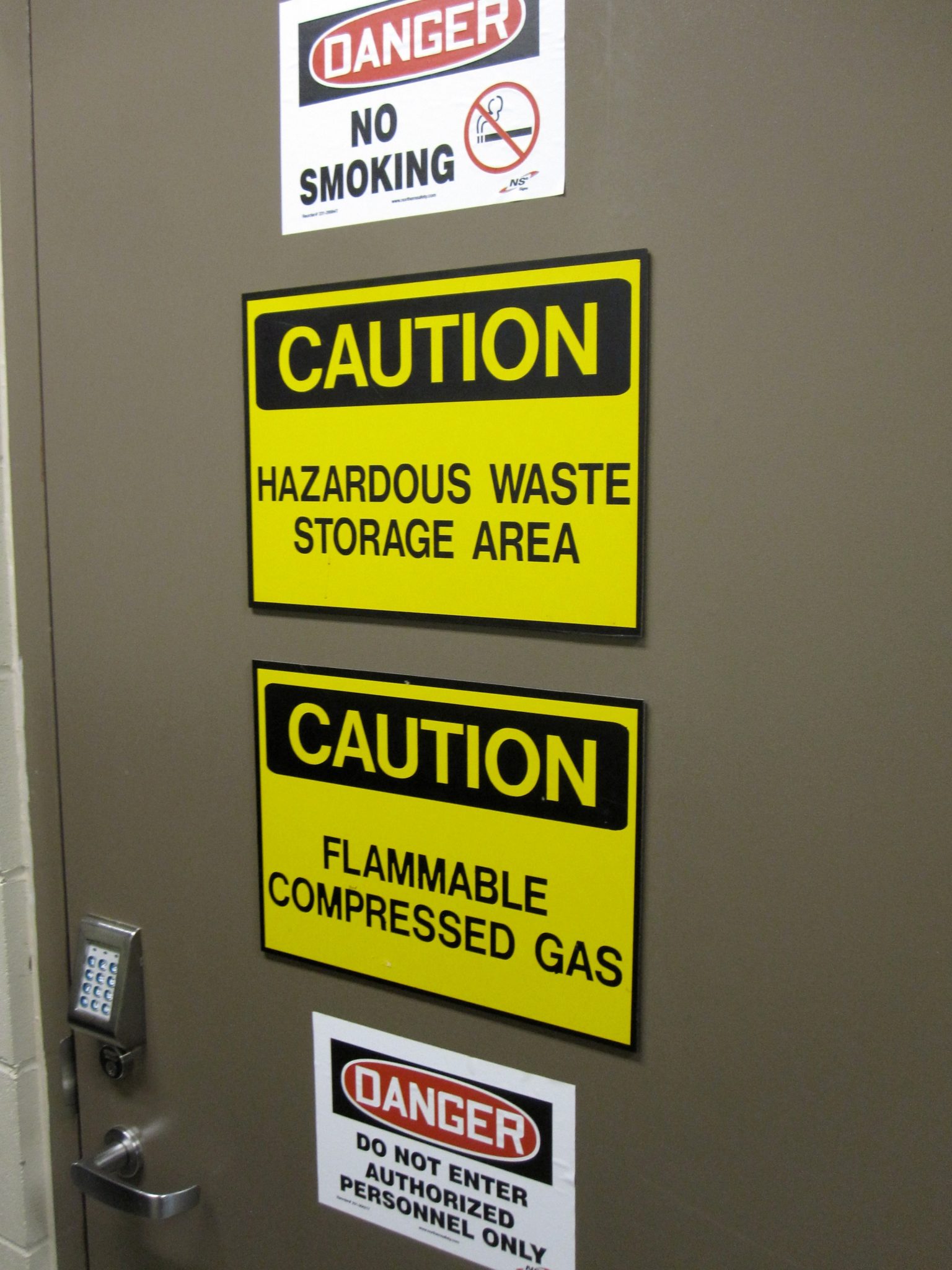
The design of a hazardous waste storage area is intended to ensure that, in the case of a spill, waste stays in the storage area. From the types of containers used to the waste itself, the Resource Conservation and Recovery Act (RCRA) dictates how waste should be stored. Keep reading to learn about important Maine hazardous waste storage requirements. (more…)

Dangerous Goods: Marking & Labeling

Proper labeling and marking of dangerous goods is critical for ensuring safety during transportation, protecting workers, and complying with federal and state regulations. These identifiers communicate the potential hazards of materials to handlers, transporters, and emergency responders, helping to prevent accidents and environmental damage. This guide explains the difference between markings and labels, outlines hazard class requirements, highlights recent regulatory updates, and provides practical tips for safe and compliant labeling.

Markings vs. Labels

Markings are divided into two distinct categories – marks that identify the design and specifications of a package and marks that identify the use of a particular package for shipment. Packaging use markings include:

  • A Proper Shipping Name (PSN) marker that includes a technical or chemical group name
  • Special Permit Numbers
  • Consignor and Consignee information including addresses, phone numbers, etc. 
  • Special hazard warnings such as marine pollutants, inhalation hazards, etc. 
  • “This end up” or package orientation markings

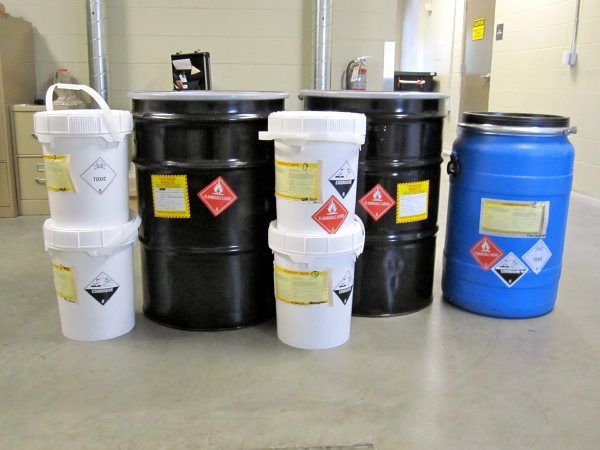
Labels are an even more specific marker on a package and are used to alert you of imminent danger. The 100 mm x 100mm diamond shaped markers found on a package containing dangerous goods are the foremost example of a label. These labels have a variety of very specific requirements:

  • Must be a specific color in correspondence with hazard class
  • Must be within 6 inches of a marking containing the PSN 
  • Must be affixed at a 45° angle 
  • Multiple hazard labels must be affixed adjacent to each other 

Hazard Class Labels

Understanding hazard class labels is essential for anyone handling or transporting dangerous goods. Each class of hazardous material has a specific label that communicates the type of risk associated with the contents. These labels use standardized colors, symbols, and numbers to ensure that everyone in the supply chain—from warehouse personnel to emergency responders—can quickly recognize the hazards and take appropriate precautions. Proper labeling not only protects people and the environment but is also a legal requirement under both federal DOT regulations and Maine state law.

Below is an overview of the hazard classes and their corresponding labels: 

  • Class 1 (Explosives): Orange label with explosion symbol
  • Class 2 (Gases): Red label with gas symbol
  • Class 3 (Flammable Liquids): Red label with flame symbol
  • Class 4 (Flammable Solids): Red label with flame symbol
  • Class 5 (Oxidizers & Organic Peroxides): Yellow label with oxidizer symbol
  • Class 6 (Toxic & Infectious Substances): White label with skull symbol
  • Class 7 (Radioactive Materials): Yellow and white label with radiation symbol
  • Class 8 (Corrosive Substances): White label with corrosion symbol
  • Class 9 (Miscellaneous Dangerous Goods): White label with general hazard symbol

Frequently Asked Questions

What is the difference between a marking and a label?
Markings provide information about the contents or handling requirements, while labels indicate the specific hazards of the materials inside.

Are there specific size requirements for labels?
Yes. Label symbols must be proportionate in size to regulatory specifications.

Can I reuse labels from previous shipments?
Only if they are in good condition and legible. Damaged labels must be replaced.

Where should labels be placed on a package?
Labels should be within 6 inches of the proper shipping name and displayed at a 45° angle.

Do small quantities of hazardous material need labeling?
Yes. Even small quantities must be properly labeled and marked for safe transport.

Ensure Compliance with Maine Labpack

Navigating hazardous materials labeling and marking regulations can be complex. Maine Labpack provides expert support to help businesses and institutions comply with all applicable federal and Maine state regulations. Our services include:

  • Hazardous materials identification and classification
  • Proper labeling and marking
  • Staff training on hazardous materials handling
  • Regulatory compliance assistance and documentation

Contact Maine Labpack online today or call us at (207) 767-1933 to ensure your hazardous materials are safely labeled, compliant, and ready for transport.

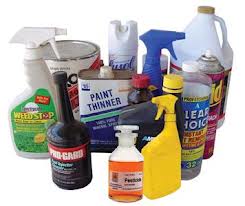
Hazardous Waste Due Diligence in Healthcare

In addition to historical environmental due diligence objectives in healthcare, robust state and federal regulations have added a new layer of responsibility to healthcare providers. With environmental matters, in particular, healthcare facilities have a slew of responsibilities when it comes to the waste they generate. Healthcare waste includes everything from hazardous and non-hazardous pharmaceuticals to pathological specimens. Waste is encompassed in legal, environmental and regulatory matters found within the ethics of due diligence in healthcare. (more…)

Maine Biohazardous Waste: Guidelines & Recommendations

Hospitals in the United States produce over 5.9 million tons of medical waste annually. This doesn’t include medical waste from other healthcare facilities like family doctors’ offices, pharmacies, and dental offices. Of that 5.9 million tons, 25% is regulated biohazardous waste containing infectious or potentially infectious substances such as bodily fluids or blood. We’ve compiled a biohazard guide to help you assess your hazardous waste disposal needs. (more…)

Coronavirus: Waste Management & Safety

As of April 13, 2020, the United States has over 525,000 confirmed cases of COVID-19 (Novel Coronavirus). With the treatment of coronavirus patients comes an influx of personal protective equipment (PPE) and other medical waste contaminated with the virus. Proper coronavirus waste management can help protect those in medical environments from exposure and contamination.

(more…)