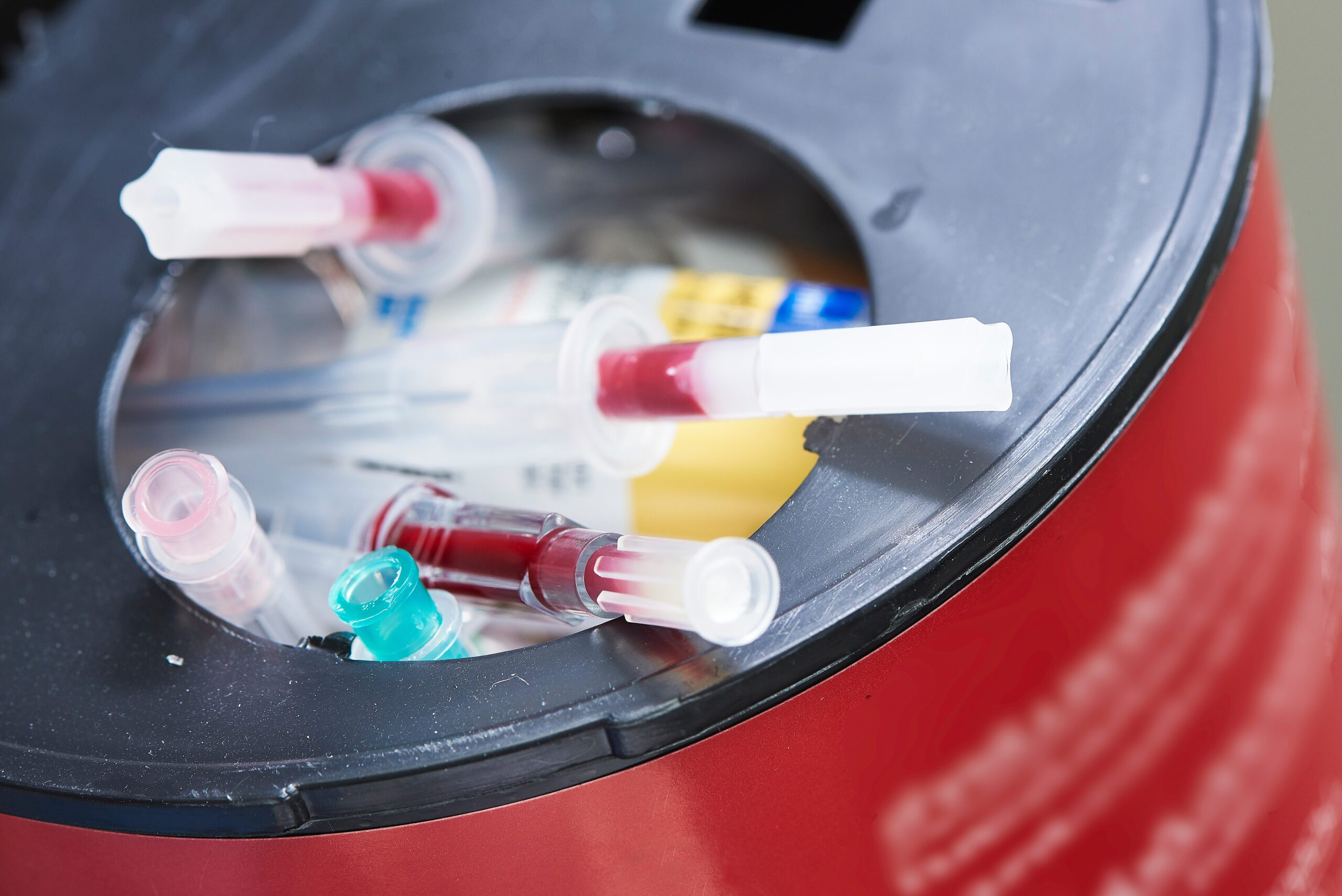
Why Pharmaceutical Waste Management Matters For Your Facility Pharmaceutical waste includes any expired, unused, or leftover medications and materials that have come into contact with pharmaceuticals—from prescription bottles and IV bags to contaminated …
A hazardous waste facility is a specialized site designed to safely collect, treat, store, or dispose of materials that pose risks to human health and the environment.
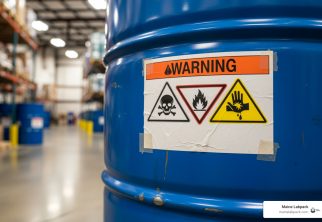
Why Proper Hazardous Waste Labeling Matters Hazardous waste labeling is the first line of defense in protecting your employees, your facility, and the environment from dangerous materials.
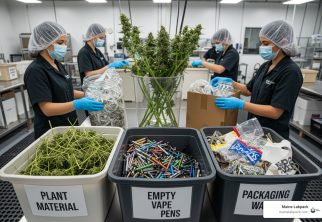
Why Cannabis Waste Management Matters for Your Business Cannabis waste management is the systematic process of handling, storing, rendering unusable, and disposing of all materials generated throughout the cannabis lifecycle—from cultivation to retail—…
Regarding hazardous and universal wastes, an estate cleanout involves removing, properly handling, and disposing of potentially dangerous materials from a residential or commercial property, often after death, foreclosure, or downsizing.
Throughout the year, Maine Labpack provides vital services for communities to ensure that hazardous materials generated at plants, facilities, labs, and institutions are properly managed.
Proper disposal of microbiological waste is critical for protecting public health, preventing the spread of infectious diseases, and maintaining compliance with state and federal regulations.