
Last updated on June 3rd, 2026 at 02:52 pm
Why Cannabis Waste Management Matters for Your Business
Cannabis waste management is the systematic process of handling, storing, rendering unusable, and disposing of all materials generated throughout the cannabis lifecycle—from cultivation to retail—in compliance with state and local regulations while protecting your license and the environment.
Quick Implementation Checklist:
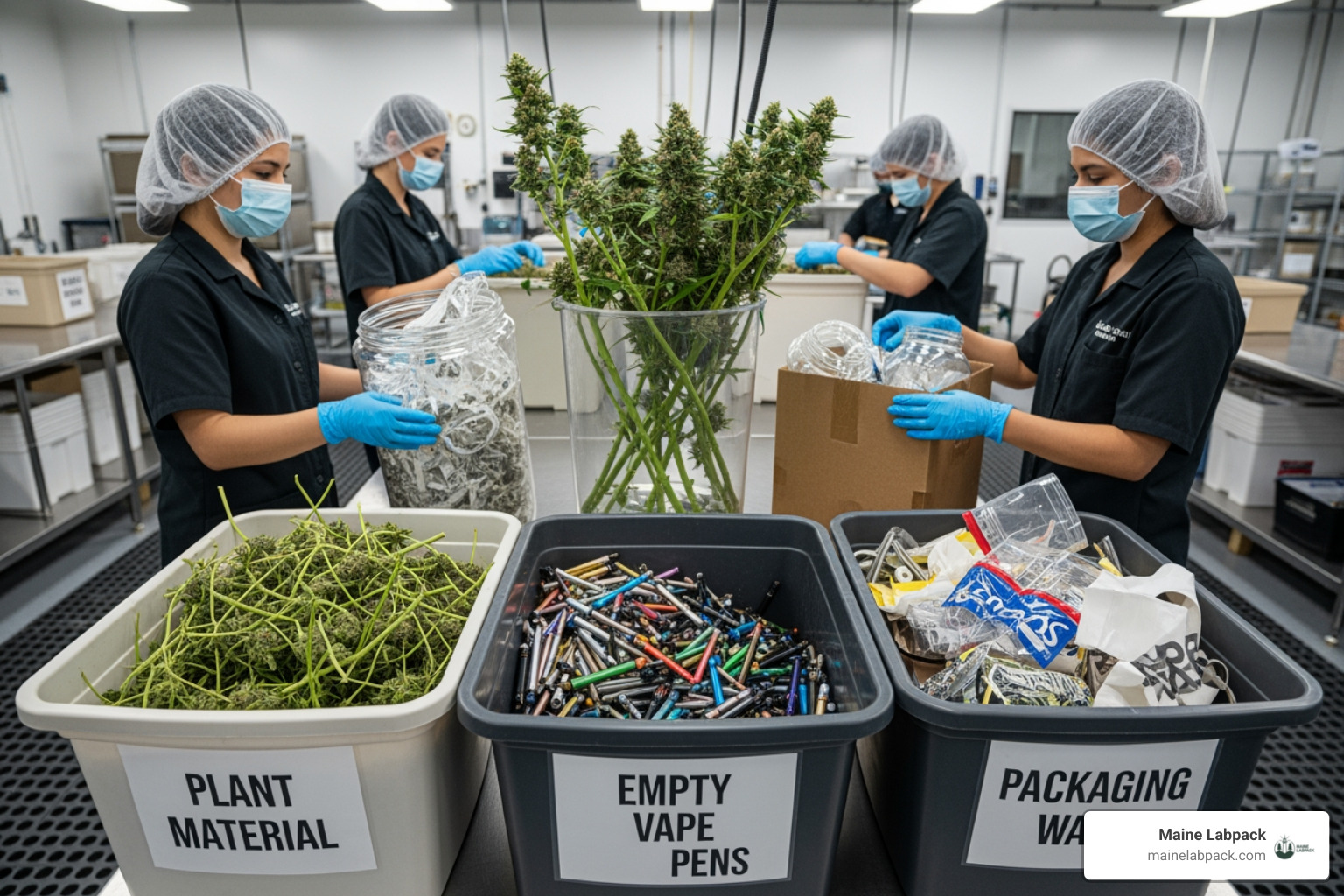
- Identify your waste streams (plant material, packaging, solvents, vape pens)
- Render cannabis waste unusable by grinding and mixing with ≥50% non-cannabis material
- Separate hazardous from non-hazardous waste immediately
- Store waste securely in locked, restricted-access areas
- Track and document all disposal activities in your state’s system
- Partner with licensed haulers or facilities for compliant disposal
- Maintain proper PPE (gloves, goggles, respirators) for all handling
As cannabis becomes legal across more states, businesses face a growing challenge: what to do with all the waste. The National Cannabis Industry Association estimates that landfilling cannabis plant waste alone could add nearly 28,000 metric tons of CO2 equivalent to the atmosphere annually—comparable to over 6,000 passenger vehicles.
But the bigger risk is regulatory. Cannabis waste is classified as “special regulated waste,” meaning improper disposal can result in hefty fines, compliance violations, and even license revocation. Unlike typical business waste, cannabis must be rendered “unusable and unrecognizable” before disposal, tracked through seed-to-sale systems, and handled according to a patchwork of state and local rules that vary dramatically by jurisdiction.
This guide cuts through the complexity. We’ll walk you through what qualifies as cannabis waste, how to classify it correctly, what your state requires, and the practical steps to implement a compliant waste management system that protects your license and your bottom line.
What is Cannabis Waste? A Comprehensive Breakdown
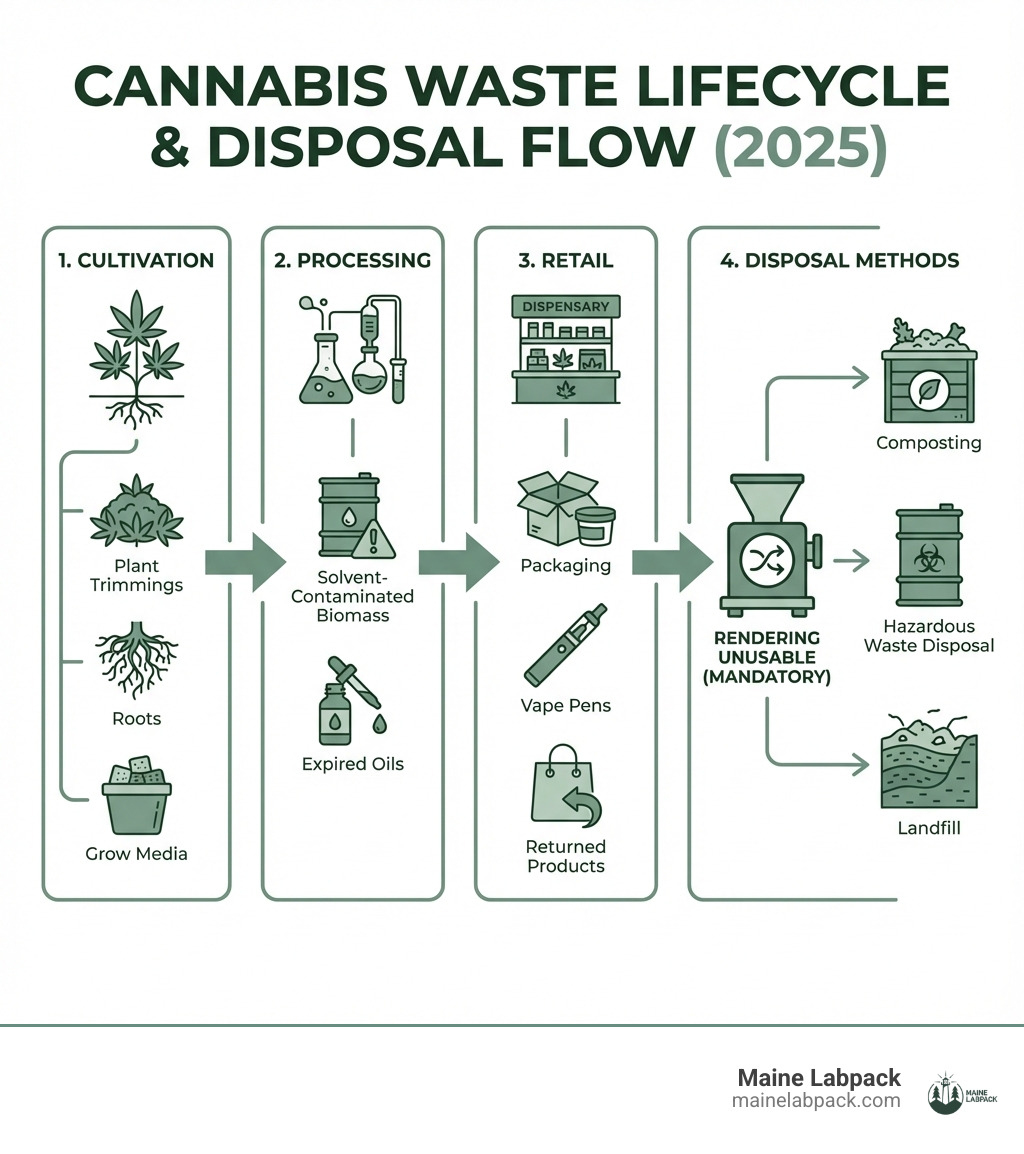
At its core, cannabis waste is any material that has come into contact with cannabis during its journey from seed to sale. This broad definition encompasses everything from the soil used to grow the plant to the packaging that contained a finished product. Because of the plant’s unique chemical nature and legal status, this isn’t just any ordinary trash—it’s considered “special regulated waste.” This means it demands specific storage, handling, transport, processing, and tracking in compliance with state regulations.
The first crucial step in effective cannabis waste management is proper classification. Is your waste hazardous or non-hazardous? This distinction dictates everything from storage requirements to disposal methods and regulatory oversight. Misclassifying waste can lead to serious compliance issues and environmental harm.
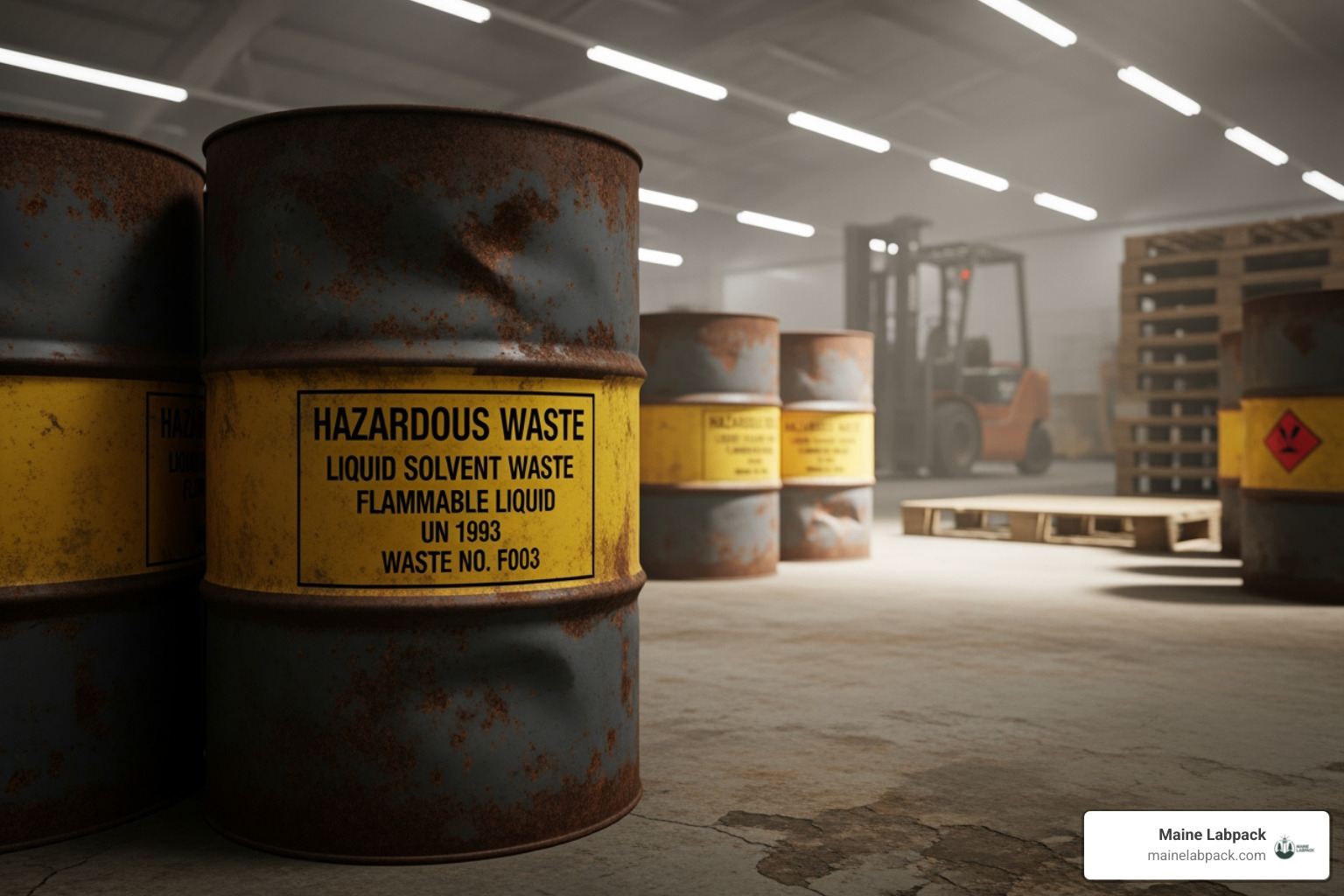
Understanding the nuances of waste determination is essential for any cannabis business. For a deeper dive into this critical process, explore Maine Labpack’s guide on Hazardous Waste Determination.
Non-Hazardous Cannabis Waste
Most of the waste generated by cannabis operations falls into the non-hazardous category. This typically includes the bulk of plant material and related growing components.
- Plant Material: This covers a wide range, such as plant trimmings, stalks, stems, fan leaves, and root balls. In many jurisdictions, including Maine, certain plant materials like root balls, soil or growing media, stalks, and leaves/branches removed from plants may be exempt from rendering requirements, provided they are completely free of flowers and leaves with visible trichomes and are non-hazardous.
- Expired or Unused Products: Products that have passed their shelf life or are otherwise deemed unsellable (but not contaminated with hazardous substances) are often considered non-hazardous once rendered unusable.
- Packaging: Empty packaging that once held cannabis products, as long as it’s free from hazardous residues, usually falls into this category.
- Grow Media: Used soil, coco-coir, and other soilless media are generally non-hazardous.
Hazardous and Universal Cannabis Waste
While much of cannabis waste is non-hazardous, certain materials pose greater risks and require stricter handling. These often stem from extraction, processing, and laboratory activities.
- Solvent-Contaminated Biomass: Plant material that has been exposed to solvents like butane or ethanol during extraction processes can become hazardous waste. These materials must be handled with extreme care and disposed of according to hazardous waste regulations.
- Pesticides and Laboratory Chemicals: Discarded pesticides, fertilizers, and various laboratory chemicals used in testing facilities are often classified as hazardous. Managing waste from cannabis testing labs requires specialized expertise due to the diverse array of chemicals involved. You can learn more about this by visiting Maine Labpack’s page on Testing Lab Waste.
- Vape Pens and Batteries: Used or defective disposable cannabis vape pens and cartridges often contain internal lithium-ion batteries. These are generally classified as hazardous or universal waste due to the presence of heavy metals and potential for thermal events. They should never be thrown in regular trash. For more information on handling batteries, see Maine Labpack’s Universal Waste Guide: Batteries.
- Grow Lamps: Many indoor grow lights, such as fluorescent or high-intensity discharge (HID) lamps, contain mercury. These are considered universal waste and must be recycled properly, not landfilled. Maine Labpack offers guidance on Universal Waste Guide: Lamps & Light Bulbs.
Navigating the Regulatory Maze of Cannabis Waste Management
The legal cannabis industry operates in a complex regulatory landscape. Unlike many other industries, there are no overarching federal guidelines for cannabis waste management. Instead, businesses must contend with a “patchwork” of state, county, and local laws that can vary dramatically. This means what’s permissible in Massachusetts might be strictly forbidden in Vermont, and vice versa.
This regulatory complexity makes compliance a constant challenge. Each New England state where cannabis is legal (Maine, Massachusetts, Vermont, New Hampshire, Rhode Island) has its own specific rules for waste storage, rendering, transportation, and disposal. These regulations are designed to prevent the diversion of cannabis products to the illicit market and to protect public health and the environment.
A critical component of this regulatory framework is the use of track-and-trace systems. These systems (often seed-to-sale software) require businesses to carefully document every stage of a cannabis product’s life, including its eventual disposal. This ensures accountability and transparency.
The legal and compliance implications of improper cannabis waste management are severe. Violations can lead to significant fines, costly remediation efforts, and in the most serious cases, the suspension or outright revocation of a business license. For a cannabis enterprise, losing its license means losing everything.
The Core Requirement: Rendering Waste ‘Unusable and Unrecognizable’
One of the most consistent—and often perplexing—requirements across jurisdictions is the mandate to render cannabis waste “unusable and unrecognizable” before disposal. This isn’t just about making it look like trash; it’s a deliberate measure to prevent any potential for the waste to be salvaged, processed, or diverted to the black market.
The most common method for achieving this is through grinding and mixing. For solid cannabis waste, regulations typically require it to be ground up and mixed with at least 50% non-cannabis waste by weight or volume. This ensures the resulting mixture is undesirable, unfit for human consumption, incapable of growth, and indistinguishable from other waste.
Approved mixing materials often include:
- Sawdust
- Food waste
- Cat litter
- Soil
- Yard waste
- Other non-hazardous solid waste
For liquid cannabis waste, absorption into a solid material like cat litter or sand is usually required before it can be disposed of with other solid waste. This process ensures liquids are solidified and rendered unusable. Maine Labpack offers specialized services for Rendering cannabis waste to meet these stringent requirements.
State-Specific Regulations and Compliance
While the “unusable and unrecognizable” rule is widespread, the specifics of cannabis waste management vary significantly by state. It’s imperative for businesses to be intimately familiar with the regulations in their operating area.
For example, New York’s regulations (as outlined in N.Y. Comp. Codes R. & Regs. Tit. 9 § 125.11 – Management of Cannabis and Other Waste) dictate specific requirements such as:
- The 50% non-cannabis waste by weight rule for grinding and mixing.
- Mandates for licensees within 25 miles of an organic recycling facility to compost, use anaerobic digestion, or repurpose non-contaminated waste, rather than landfilling or combusting it.
- Strict record-keeping requirements for disposal, including weight, lot numbers, and employee signatures, maintained for at least five years.
- Specific handling for plant-based waste contaminated with solvents.
In New England, each state has its own set of rules. For businesses operating in Maine, understanding the local landscape is paramount. Maine, like many states, has developed specific guidelines to ensure compliant and environmentally sound disposal practices. These often include exemptions for certain plant parts like roots and stalks if they are free of flowers and visible trichomes, and detailed requirements for reporting and tracking. To steer the specific requirements in Maine, refer to Maine Labpack’s comprehensive Guide to Cannabis Waste Management in Maine.
Compliant Disposal and Repurposing Methods
Once cannabis waste has been properly identified, segregated, and rendered unusable and unrecognizable, the next step is its final disposal or, ideally, repurposing. The goal is always to find the most compliant and sustainable option available.
Choosing the right method depends on the type of waste, its hazardous classification, and local regulations. A thoughtful approach to cannabis waste management can not only ensure compliance but also promote environmental responsibility.
Traditional Disposal Pathways
For waste that cannot be repurposed, traditional disposal methods remain necessary, but they must be conducted through approved channels.
- Permitted Landfills: After being rendered unusable and unrecognizable, non-hazardous cannabis waste can often be disposed of in permitted municipal landfills. It’s crucial to confirm that the specific landfill accepts this type of waste and that your waste management provider is authorized to transport it there.
- Incineration: This is often considered a fast and effective way to destroy cannabis waste, ensuring complete destruction and rendering it completely unrecognizable. However, businesses cannot simply burn waste; they must work with licensed incineration companies that use specialized incinerators designed for complete destruction.
- Working with a Licensed Waste Management Company: Regardless of the final disposal method, partnering with a professional, licensed waste management company is often the safest and most compliant approach. These companies understand the intricacies of state and local regulations, possess the necessary permits for transportation and disposal, and can provide the required documentation for track-and-trace systems. They offer Secure Destruction services, ensuring your waste is handled appropriately from start to finish.
Sustainable Alternatives and Repurposing Opportunities
The cannabis industry is increasingly looking for greener solutions, changing waste from a burden into a resource.
- Composting: For non-hazardous plant material, composting is an excellent eco-friendly option. It converts cannabis byproducts into nutrient-rich soil amendments, which can then be used for future cultivation or other agricultural purposes. Composting can be done either on-site (if permitted and managed according to regulations) or off-site at a commercial composting facility. Proper carbon-to-nitrogen ratios are key for effective composting; cannabis plant material is carbon-rich, so mixing it with nitrogen-rich feedstocks like food waste or manure is beneficial.
- In-Vessel Digestion: This advanced composting method involves processing organic waste in an enclosed system, accelerating decomposition and often producing high-quality compost or biogas. It’s particularly suitable for organic byproducts like soil and plant parts. As with landfilling, businesses must work with a permitted in-vessel digestion center or obtain specific permission to operate their own.
- Repurposing Stalks: Hemp stalks, in particular, are being explored for a variety of uses beyond traditional disposal. They can be processed into animal bedding, providing an absorbent and natural material. There’s also growing interest in using compacted cannabis waste as a sustainable construction material, offering a potential new market for this byproduct.
- Biochar: Through a process called pyrolysis, cannabis waste can be converted into biochar, a charcoal-like substance that can improve soil health, retain water, and sequester carbon. This emerging technology offers significant environmental benefits.
Best Practices for Safe and Efficient Disposal
Implementing robust best practices is non-negotiable for any cannabis business. It’s not just about following the rules; it’s about safeguarding your employees, protecting the environment, and ensuring the long-term viability of your operation. A well-thought-out waste plan is your best defense against accidents and non-compliance.
Creating an effective plan involves understanding chemical hazards and safety protocols. For guidance on developing a comprehensive safety strategy, refer to Maine Labpack’s resource on Writing an Effective Chemical Hygiene Plan.
Implementing Your On-Site Cannabis Waste Management Plan
Your on-site plan is the backbone of compliant cannabis waste management. It dictates daily operations and ensures every step is handled correctly.
- Personal Protective Equipment (PPE): Safety is paramount. Workers handling cannabis waste, especially hazardous materials, must wear appropriate PPE. This includes gloves (chemical-resistant for solvents), eye goggles, respiratory protection (if dust or fumes are present), coveralls, and boots. Proper PPE minimizes exposure risks and protects employees.
- Secure Storage: All cannabis waste, whether hazardous or non-hazardous, must be stored securely on the licensed premises until disposal. This means using locked receptacles or secured areas with restricted access. Public access is strictly prohibited to prevent theft or diversion.
- Waste Segregation: Hazardous and non-hazardous waste streams must be kept separate. This prevents contamination and ensures each type of waste is handled and disposed of according to its specific regulations.
- Proper Labeling: Every waste container, especially those holding hazardous materials, must be clearly and accurately labeled. Labels should indicate the contents, hazards, accumulation start date, and generator information. This is critical for safety and compliance. For detailed labeling requirements, consult Maine Labpack’s guide on the Anatomy of a Hazardous Waste Label.
- Record-Keeping: Meticulous record-keeping is not just a good idea; it’s a regulatory requirement. Businesses must track and document all disposal activities in their state’s inventory tracking system. Records should include the type and quantity of waste, date of disposal, reason for disposal, and the names of employees involved. These records often need to be retained for several years.
The Critical Role of Professional Cannabis Waste Management Services
Given the complexity and stringent regulations surrounding cannabis waste, partnering with professional waste management services is often the most effective strategy for businesses in New England.
- Compliance Assurance: Expert companies stay abreast of the ever-changing state and local regulations. They ensure your operations remain compliant, protecting your license and reputation.
- Safety Expertise: Professionals have the training, equipment, and protocols to safely handle all types of cannabis waste, including hazardous materials, minimizing risks to your staff and facility.
- Cost-Effectiveness: While there’s an investment, professional services can save money in the long run by preventing costly fines, optimizing waste streams, and streamlining disposal processes.
- Comprehensive Support: From initial waste analysis and classification to assisting with permitting, transportation, and providing all necessary disposal documentation, a full-service provider like Maine Labpack acts as a one-stop shop, simplifying your waste management operations. This allows your business to focus on its core activities without the added burden of navigating complex waste regulations. Find more about why professional hazardous waste management is essential in Maine Labpack’s article: 6 Reasons Small Businesses Need Professional Hazardous Waste Management.
Frequently Asked Questions about Cannabis Waste Management
How do I dispose of used vape pens and cartridges?
Used vape pens and cartridges are a growing concern in cannabis waste management. They are typically classified as e-waste or universal waste due to their electronic components and often contain lithium-ion batteries, which can be hazardous. The biggest challenge is that they contain residual cannabis material, which must be rendered unusable.
Best Practices:
- Do NOT throw them in regular trash.
- Separate Components: Ideally, the battery (if removable) and the cartridge should be separated. Batteries should be recycled as universal waste. Cartridges, even empty ones, contain cannabis residue and must be rendered unusable before disposal or recycling.
- Check Local Regulations: Always consult your state and local waste authorities for specific guidance on vape pen disposal, as regulations vary.
- Seek Manufacturer Take-Back Programs: Some manufacturers are beginning to offer take-back programs for their used products.
- Use E-Waste Recycling: Once the cannabis material is rendered unusable, electronic components can often be sent to specialized e-waste recycling facilities. Maine Labpack can assist with Universal Waste Recycling: E-Waste.
What are the biggest mistakes to avoid in cannabis waste disposal?
Avoiding common pitfalls is key to compliant and safe cannabis waste management.
- Improper Rendering: Failing to make waste truly “unusable and unrecognizable” is a major compliance violation that can lead to fines and license issues.
- Mixing Hazardous and Non-Hazardous Waste: This can contaminate non-hazardous streams, making them hazardous and significantly increasing disposal costs and regulatory scrutiny.
- Poor Record-Keeping: Inaccurate or incomplete disposal records can result in non-compliance with track-and-trace systems and state regulations.
- Using Un-Permitted Haulers: Entrusting your waste to an unlicensed or un-permitted transporter can lead to significant liability if waste is improperly handled or illegally dumped.
- Ignoring PPE Requirements: Neglecting proper PPE puts your employees at risk of chemical exposure or injury.
For a more comprehensive look at common errors, read Maine Labpack’s article on 6 Common Hazardous Waste Handling Mistakes and How to Avoid Them.
Can I compost my cannabis waste on-site?
On-site composting of cannabis waste is an attractive option for many businesses, especially cultivators, due to its environmental benefits and potential cost savings. However, its feasibility depends heavily on several factors:
- State and Local Regulations: Some states permit on-site composting under specific conditions, while others require off-site processing. You must ensure your local and state authorities approve of on-site composting for cannabis waste.
- Scale and Space Requirements: On-site composting requires adequate space and proper management to prevent odors, pests, and environmental contamination. Small-scale composting (e.g., under 750 square feet and 100 cubic yards) might have fewer regulatory problems in some areas.
- Mixing with Other Organic Materials: To achieve effective composting and meet regulatory requirements, cannabis plant waste must be mixed with other organic materials (e.g., yard waste, food scraps) to achieve the required non-cannabis percentage (typically at least 50%).
- Avoiding Contamination: Only non-hazardous cannabis plant material should be composted. Waste contaminated with pesticides, solvents, or other hazardous substances must never be added to a compost pile.
For growers considering this option, Maine Labpack’s Disposing of Grow Room Waste: A Pocket Guide offers valuable insights.
Conclusion
The journey of cannabis waste management is intricate, fraught with regulatory challenges, and demanding of meticulous attention. From defining what constitutes cannabis waste and distinguishing hazardous from non-hazardous streams, to navigating state-specific mandates for rendering waste “unusable and unrecognizable,” and choosing compliant disposal or repurposing methods—every step requires diligence. Improper disposal carries severe legal implications, including hefty fines and the risk of license revocation, underscoring the critical importance of a robust waste plan.
Beyond compliance, responsible cannabis waste management is an environmental imperative. By embracing sustainable practices like composting, in-vessel digestion, and exploring repurposing opportunities, the cannabis industry can solidify its role as a green and innovative sector.
For businesses operating in New England, Maine Labpack provides expert guidance and comprehensive services custom to your specific needs. Our team understands the local regulatory landscape and offers professional, on-time, and sustainable solutions for your chemical and hazardous materials disposal, acting as your trusted partner. Protect your license, your employees, and the environment by ensuring your cannabis waste management practices are second to none.
Partnering with experts offers peace of mind, allowing you to focus on growing your business while we handle the complexities of your waste.
Contact us for comprehensive Cannabis Waste Management solutions today.