
Last updated on June 3rd, 2026 at 02:52 pm
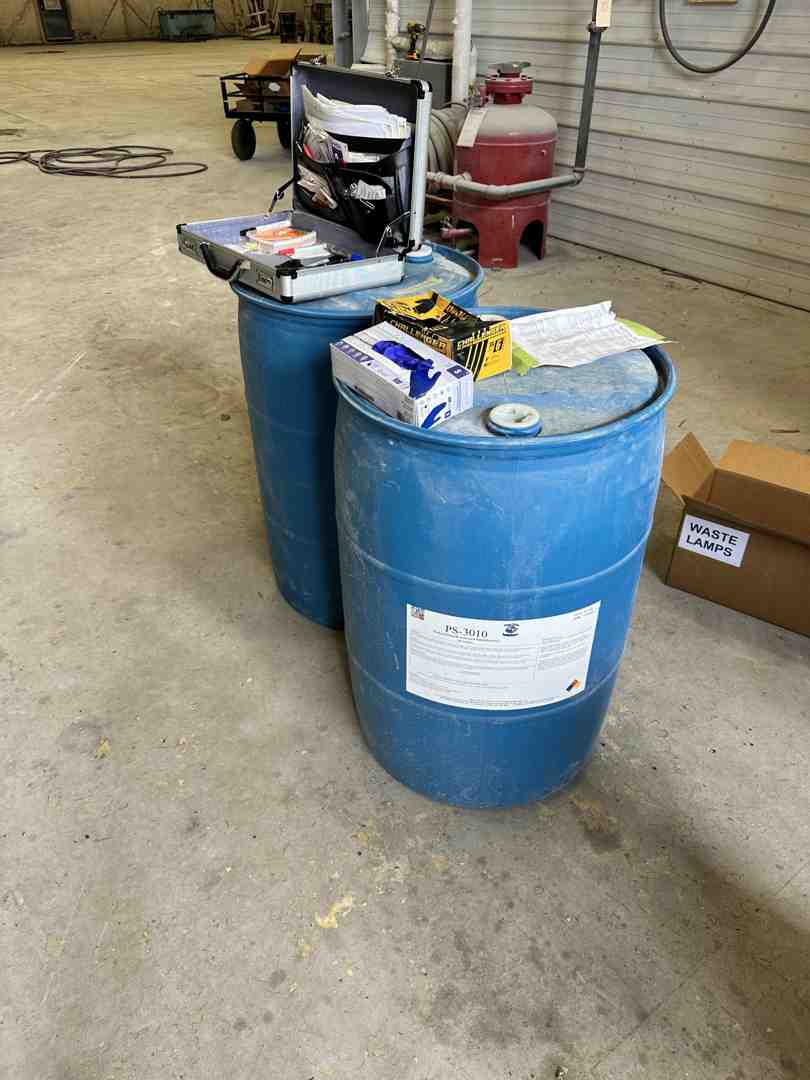
A hazardous waste facility is a specialized site designed to safely collect, treat, store, or dispose of materials that pose risks to human health and the environment. These facilities operate under strict EPA regulations to ensure toxic substances—from household chemicals to industrial byproducts—are managed responsibly from creation to final disposal.
Quick Guide to Hazardous Waste Facilities:
- For Residents: Municipal HHW (Household Hazardous Waste) collection centers accept items like paint, pesticides, batteries, and electronics—usually free with proof of residency.
- For Businesses: Commercial generators must use licensed Treatment, Storage, and Disposal Facilities (TSDFs) and follow EPA manifest requirements.
- Common Locations: County recycling centers, transfer stations, or scheduled community collection events.
- What’s Accepted: Automotive fluids, cleaning products, garden chemicals, electronics, mercury-containing items, oil-based paints.
- What’s NOT Accepted: Explosives, radioactive materials, unknown substances, and most prescription medications (use drug take-back programs instead).
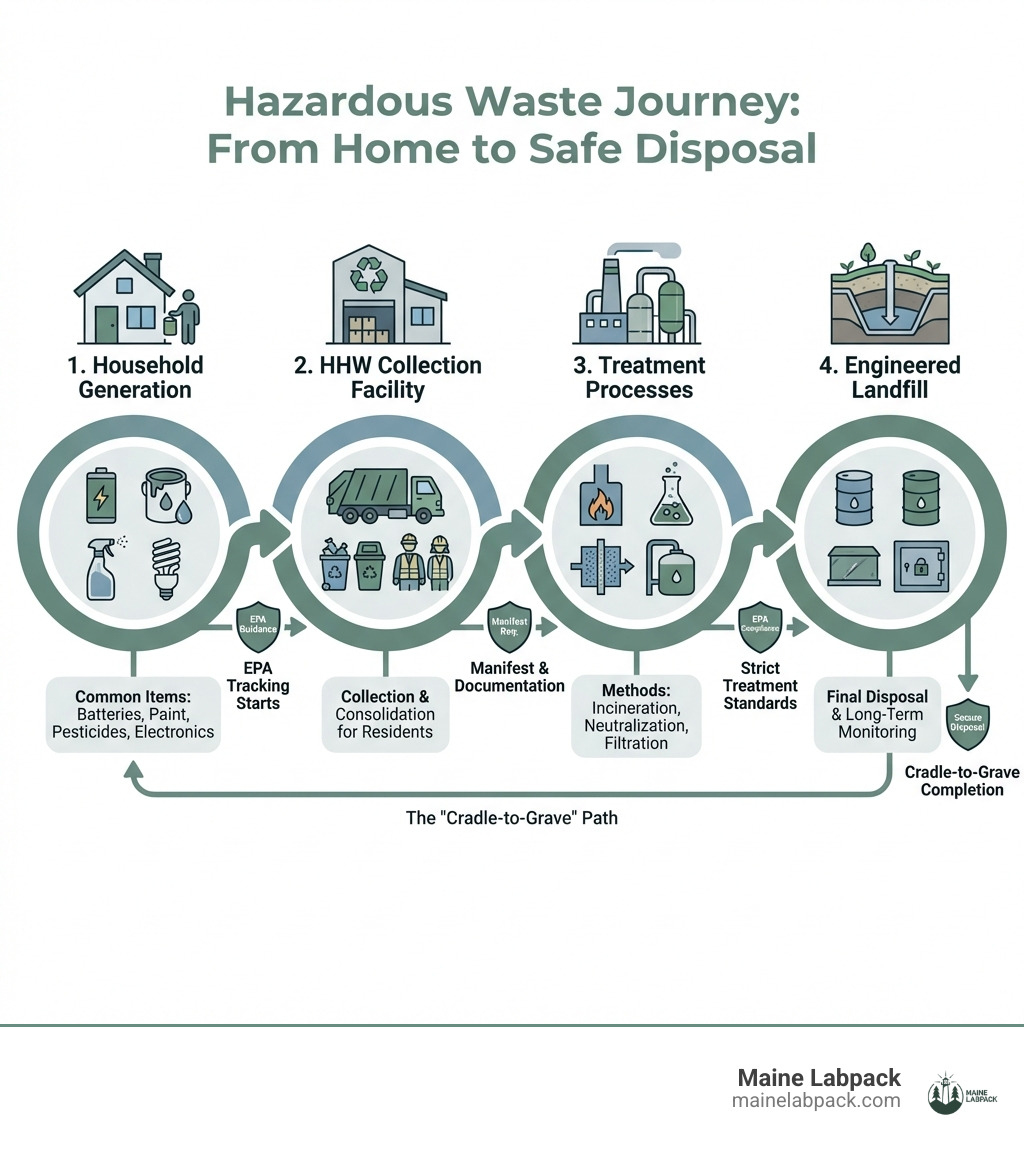
Every year, the United States generates millions of tons of hazardous waste. From antifreeze in a garage to fluorescent bulbs in an office, these materials contain chemicals that can contaminate soil and groundwater if disposed of improperly. The EPA’s “cradle-to-grave” management system tracks these materials from creation to final disposal to keep communities safe. You can learn more about this framework in the EPA’s overview of the Resource Conservation and Recovery Act.
For households, this journey typically ends at a local collection facility. For businesses, it involves licensed disposal companies and detailed documentation. While a homeowner can drop off old paint for free at a municipal site, a business with the same waste must hire a professional service and follow commercial regulations. This distinction ensures facilities have the right resources for different waste volumes and risks. Knowing how to access proper disposal services protects workers, prevents environmental damage, and ensures compliance with federal and state regulations.
Identifying and Handling Common Hazardous Waste
This section covers how to recognize, prepare, and find alternatives for hazardous materials found in the home, ensuring safety for you and your community.
Common Household Hazardous Waste (HHW)
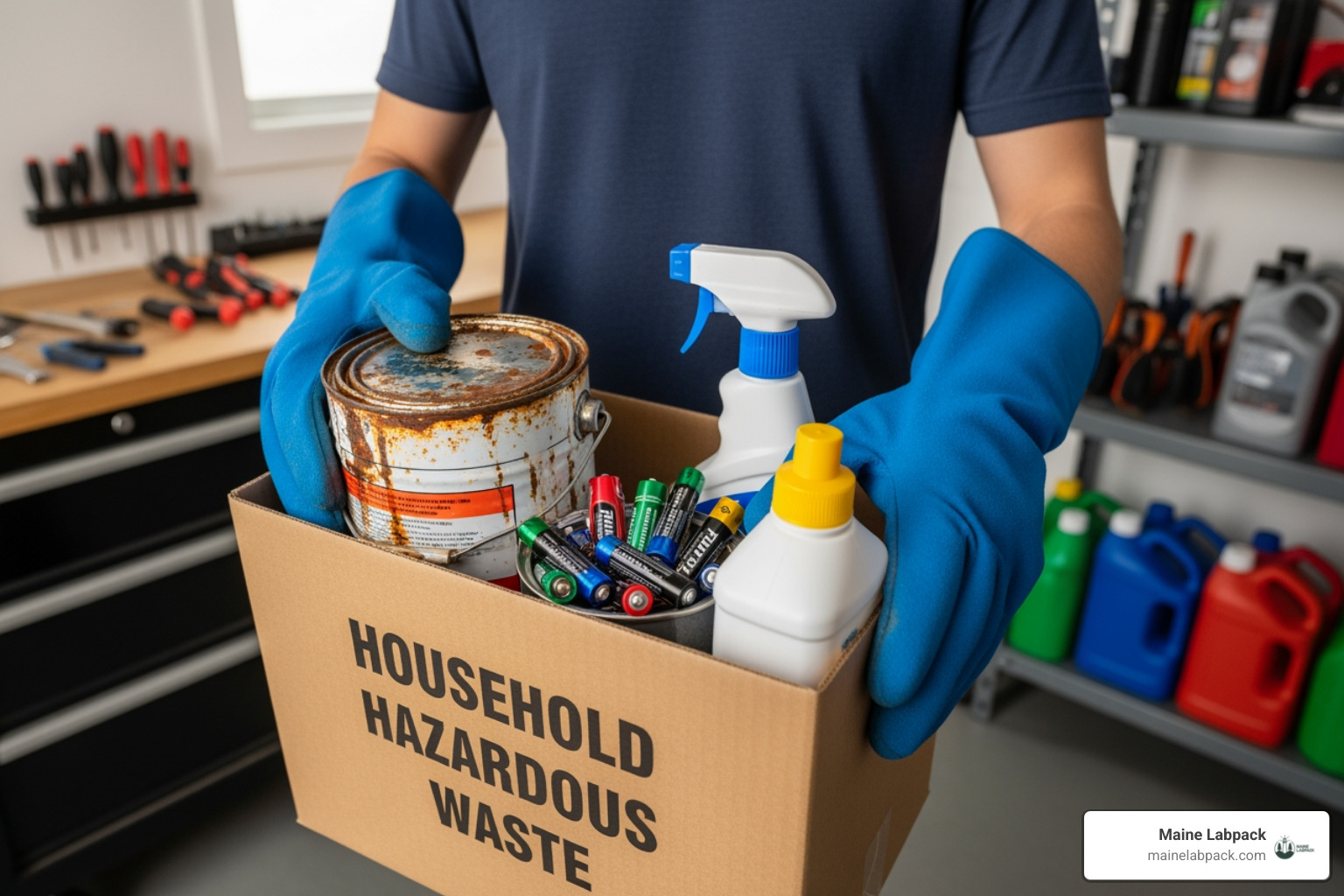
Many everyday products in our homes, garages, and gardens contain chemicals that are potentially hazardous. Improper disposal of this Household Hazardous Waste (HHW) can pollute the environment and harm waste collection workers.
Common HHW categories include:
- Automotive Products: Motor oil, antifreeze, gasoline, and car batteries contain toxic chemicals and should never be poured down drains or on the ground.
- Garden Chemicals: Pesticides, herbicides, and fertilizers can be highly toxic to humans and wildlife if not managed properly.
- Paint Products: Oil-based paints, thinners, and varnishes are flammable and contain solvents. Latex paint is less hazardous but still requires proper disposal if not fully dried.
- Cleaning Products: Drain cleaners, oven cleaners, bleach, and ammonia-based cleaners often contain corrosive or reactive chemicals.
- Electronics (E-Waste): Old computers, TVs, and phones contain heavy metals like lead and mercury that can leach into soil and groundwater from landfills.
- Batteries: Rechargeable and button-cell batteries contain hazardous heavy metals. Even common alkaline batteries are best recycled.
- Fluorescent Bulbs: CFLs and fluorescent tubes contain a small amount of mercury, a potent neurotoxin.
How to Read Labels: Product labels often have signal words indicating their hazard level:
- Danger: Highly toxic, corrosive, or flammable.
- Warning: Moderate hazards.
- Caution: Slight hazards.
Preparing Materials for Safe Transport
Proper preparation is crucial to prevent spills and accidents when transporting HHW to a collection site.
Here are some guidelines:
- Keep in Original Container: Whenever possible, keep materials in their original, labeled containers. If a container is damaged, use a sturdy, leak-proof replacement and label it clearly.
- Do Not Mix Chemicals: Never mix different chemicals, as this can cause dangerous reactions, toxic fumes, or even explosions.
- Secure Lids: Ensure all caps are tightly sealed.
- Pack to Prevent Spills: Place containers upright in a sturdy box or tub. Use absorbent material like kitty litter or newspaper to prevent breakage and absorb leaks.
- Safe Vehicle Transport: Transport HHW in your trunk or truck bed, away from passengers. Ensure good ventilation.
For more detailed advice on avoiding common mistakes, check out 6 Common Hazardous Waste Handling Mistakes and How to Avoid Them.
Disposal Guidelines for Specific Items
Different types of hazardous waste require different disposal approaches. Here’s a look at some common items:
For businesses in New England, managing chemical waste, including many of the items above, often requires specialized services. Maine Labpack offers comprehensive Universal Waste Recycling for items like batteries, fluorescent lamps, and electronics. For medical facilities, our Healthcare Waste Disposal services ensure compliant and safe handling.
Finding a Local Hazardous Waste Facility and Collection Options
Navigating hazardous waste disposal can feel like a treasure hunt, but with the right map, you can easily find the primary ways residents can dispose of HHW, from permanent drop-off sites to convenient one-day events.
Permanent Household Hazardous Waste Facility Drop-Off Centers
For many residents across New England, permanent HHW facilities are the most consistent disposal option. These centers are typically operated by municipal or county waste management departments.
How to Locate a Facility: To find a permanent hazardous waste facility in Maine, New Hampshire, Massachusetts, Vermont, or Rhode Island, check your local city or county’s public works or solid waste management website. Search for “Household Hazardous Waste” or “HHW” to find locations, hours, and accepted materials.
What to Expect:
- Proof of Residency: Most facilities are for local residents only and require proof, such as a driver’s license or utility bill.
- Quantity Limits: Facilities often limit the amount of waste you can drop off per visit to ensure fair access for all residents.
- Accepted Materials: They typically accept a broad range of HHW, including automotive fluids, cleaning products, oil-based paints, batteries, and fluorescent bulbs.
- Unaccepted Materials: For safety reasons, most facilities do not accept explosives, ammunition, radioactive waste, unknown substances, or commercial/business waste. Contact your local police or fire department for guidance on disposing of explosives.
Special Community Collection Events
Many New England communities host special one-day or weekend collection events for HHW. These are a convenient option, especially for residents without a nearby permanent facility.
Temporary One-Day Events: Organized by municipal departments, often with environmental service companies, these events provide a temporary drop-off point for hazardous materials, electronics, and sometimes document shredding. This is a practical solution for communities, providing expertise in waste handling, transport, and disposal while maximizing recycling.
Finding Event Schedules: Check your town or city’s website, local news, or community bulletins for dates, times, locations, and a list of accepted materials. Some events may require pre-registration to manage traffic, so be sure to check the details in advance. These events are an excellent way to dispose of HHW, e-waste, and sensitive documents responsibly.
The Professional Side: How a Hazardous Waste Facility Operates
While residents have options for household hazardous waste, the management of industrial and commercial hazardous waste is a much larger, more complex undertaking. Let’s go behind the scenes to understand the complex regulations and processes that ensure hazardous materials are managed safely and responsibly on a larger scale.
What Happens at a Hazardous Waste Facility? Treatment, Storage, and Disposal
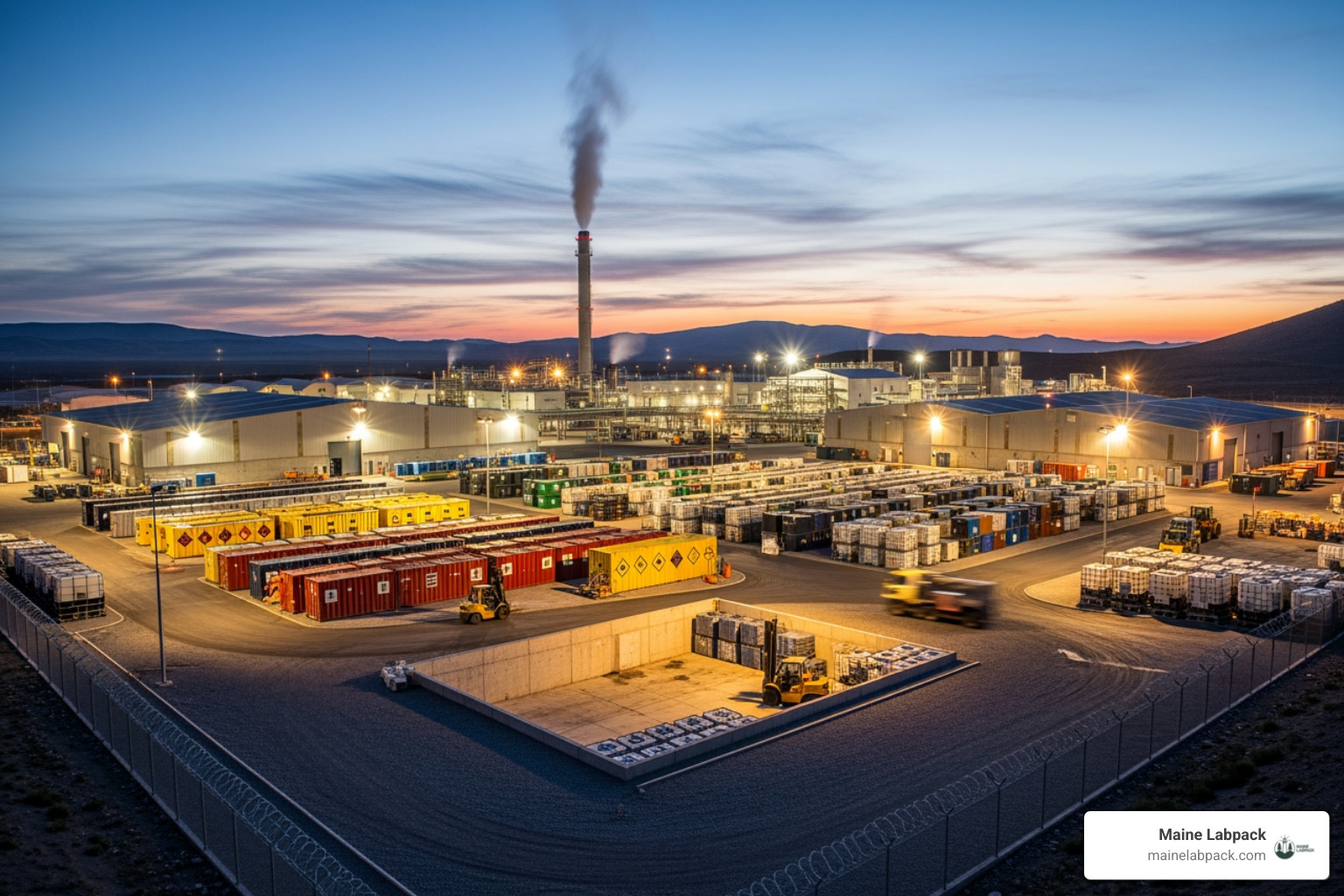
A hazardous waste facility, often called a Treatment, Storage, and Disposal Facility (TSDF), is where the “cradle-to-grave” journey of commercial hazardous waste unfolds. These facilities are specifically designed and permitted to manage hazardous materials safely.
Treatment: Treatment changes the waste’s composition to make it less hazardous. Methods include high-temperature incineration to destroy contaminants, chemical processes like oxidation, and physical treatments like filtration or solidification. Maine Labpack’s Chemical Lab Pack services prepare diverse chemical wastes for these advanced treatments.
Storage: This involves temporarily holding hazardous waste in compliant containers, tanks, or buildings before it is treated or disposed of. Storage is highly regulated to prevent leaks or spills.
Disposal: This is the final placement of waste. It often involves highly engineered landfills with multiple protective liners and leak detection systems to contain the waste permanently. Another method is deep-well injection, where liquid waste is injected into deep rock formations far below groundwater sources.
EPA Regulations and the RCRA Framework
The Resource Conservation and Recovery Act (RCRA) is the primary federal law governing hazardous waste. It established a “cradle-to-grave” system to track waste from its creation to its final disposal, ensuring accountability at every step.
Under RCRA, TSDFs must adhere to strict standards, including:
- Facility Operations: Requirements for waste analysis, security, and personnel training.
- Emergency Preparedness: Mandates for spill control equipment, alarm systems, and a detailed contingency plan.
- Recordkeeping: Use of the uniform hazardous waste manifest to track all shipments and regular reporting to the EPA.
- Closure and Post-Closure: Strict procedures for safely closing a facility and monitoring it for years afterward to prevent environmental contamination.
- Financial Assurance: Operators must prove they have the financial resources to cover closure, post-closure care, and any potential liability from accidents.
These regulations ensure that hazardous waste facilities operate with the highest safety and environmental standards. For businesses navigating these complex rules, understanding Hazardous Waste Regulations is paramount.
Hazardous Waste Rules for Businesses
Businesses face a more stringent set of rules for hazardous waste disposal than residents.
Businesses Cannot Use HHW Facilities: Household hazardous waste facilities are for residential waste only. Businesses, regardless of size, are prohibited from using these programs and must use licensed commercial services.
Generator Status: Under RCRA, businesses are categorized based on the amount of waste they produce monthly:
- Very Small Quantity Generators (VSQGs): Generate 100 kg (about 220 lbs) or less per month.
- Small Quantity Generators (SQGs): Generate between 100 kg and 1,000 kg (about 2,200 lbs) per month.
- Large Quantity Generators (LQGs): Generate 1,000 kg or more of hazardous waste per month.
Each category has different requirements for storage, recordkeeping, and reporting. Understanding your generator status is the first step in compliance. Learn more about How Generator Status Impacts Hazardous Waste Collection.
The Need for Professional Services: Given the complex regulations and potential for severe penalties, businesses need professional hazardous waste management services. Companies like Maine Labpack specialize in providing on-time, professional, and sustainable chemical and hazardous materials disposal for businesses throughout New England. They act as a one-stop shop, coming directly to your site to handle everything from waste identification and packaging to transportation and final disposal at a permitted TSDF.
For small businesses, in particular, navigating these requirements can be daunting. Explore 6 Reasons Small Businesses Need Professional Hazardous Waste Management. Partnering with experts ensures compliance, protects your employees, and safeguards the environment.
Frequently Asked Questions About Hazardous Waste
Can I just throw old batteries or paint in my regular trash?
No, many common items like batteries, oil-based paint, and electronics contain toxic materials that can harm the environment if sent to a landfill. They must be taken to a proper hazardous waste facility. For instance, oil-based paints are flammable and contain solvents that can be harmful if released. Many types of batteries contain heavy metals that can leach into soil and groundwater. Disposing of these items improperly can contaminate soil and water, posing risks to public health and the environment. Always check local guidelines for specific disposal instructions, as some alkaline batteries might be allowed in regular trash, but recycling is generally preferred.
How should I dispose of old or expired medications?
Do not flush them. Flushing medications can contaminate water supplies and harm aquatic life. The best option is to participate in a community drug take-back program or a National Drug Take-Back Day event, often organized by local law enforcement or pharmacies. If such programs are unavailable, you can dispose of most medications in your household trash, but with precautions: mix them (do not crush pills) with an undesirable substance like dirt, cat litter, or used coffee grounds. Place this mixture in a sealed plastic bag or container to prevent leakage, and then put it in your household trash. This makes the medication unappealing to children, pets, or individuals who might intentionally or unintentionally consume them. Remember to remove or black out all personal information on prescription labels before discarding empty bottles.
What should I do with leftover latex paint?
Leftover latex (water-based) paint can often be managed at home if it’s a small quantity. If the can is less than 25% full, you can dry it out by adding kitty litter, shredded newspaper, or a commercial paint hardener until it becomes solid. Once completely solid, you can dispose of it in your regular trash with the lid off. Leaving the lid off allows waste collectors to see that the paint is dry. For larger amounts of latex paint, or if you prefer not to solidify it yourself, take it to a local HHW facility or a paint recycling location, if available in your area. Unlike oil-based paints, fully dried latex paint is generally not considered hazardous, but proper solidification is key to responsible disposal.
Locate a Hazardous Waste Facility Near You and Protect Your Community
Responsible disposal protects our land and water by preventing toxic chemicals from contaminating ecosystems and drinking water sources. Both residents and businesses share this critical responsibility. For residents, this means utilizing local household hazardous waste facilities and special collection events available in their communities across Maine, New Hampshire, Massachusetts, Vermont, and Rhode Island. For businesses, it means adhering to strict EPA regulations, understanding generator status, and utilizing the manifest system.
Following local guidelines is key to compliance and environmental stewardship. For businesses in New England seeking expert guidance on chemical and hazardous materials, Maine Labpack provides a comprehensive, one-stop solution. Our professional, on-time, and sustainable services ensure that your hazardous waste is managed safely and compliantly, directly from your site.
To learn more about responsible hazardous waste management and how Maine Labpack can assist your business, visit Maine Hazardous Waste Disposal.