
Last updated on February 2nd, 2026 at 05:43 pm
Proper waste stream management involves systematically handling and controlling the flow of various types of waste generated by communities and organizations. Understanding different waste streams is crucial for protecting public health, ensuring environmental safety, and maintaining compliance with state and federal regulations. In Maine, waste management is governed by the Maine Hazardous Waste, Septage, and Solid Waste Management Act (Title 38, Chapter 13) and the Maine Hazardous Waste Management Rules (06-096 CMR 850).
1. Municipal Solid Waste (MSW)
Municipal Solid Waste (MSW), or household waste, includes everyday items discarded by households, businesses, institutions, and some industrial sources. Common components include:
- Food scraps
- Paper and cardboard
- Plastics and glass
- Metals and textiles
- Yard waste
- Household hazardous waste (paints, cleaners, batteries)
In Maine, MSW is managed through curbside collection, recycling programs, and municipal landfills or transfer stations. The Maine Department of Environmental Protection (DEP) provides guidelines for proper disposal and recycling of MSW to minimize environmental impact.
2. Industrial Waste
Industrial waste comes from manufacturing, mining, agriculture, and energy production. It can include:
- Packaging materials
- Office waste
- Manufacturing byproducts
- Chemical waste
- Solid, liquid, and gaseous waste
Due to its potential to harm human health or the environment, industrial waste must be handled, transported, and disposed of according to federal, state, and local regulations. Businesses in Maine must comply with DEP and EPA standards.
3. Construction and Demolition (C&D) Waste
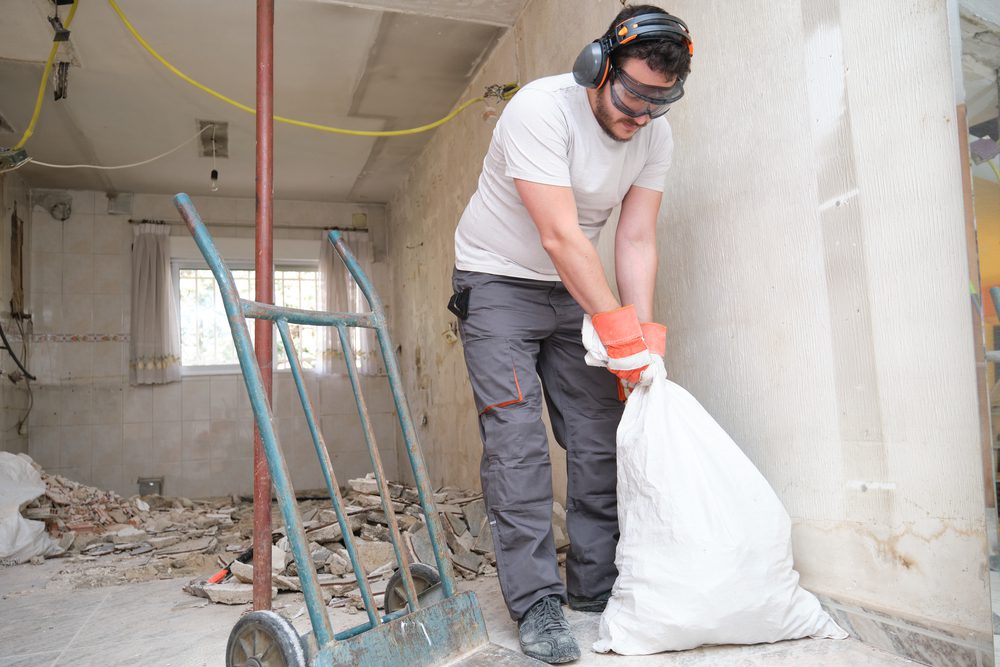
C&D waste is generated from construction, renovation, demolition, and site-clearing activities. Typical materials include:
- Concrete and bricks
- Asphalt and roofing materials
- Wood and drywall
- Metals and glass
- Excavated soil and rocks
- Hazardous materials like lead-based paints and asbestos
Maine regulations require proper disposal and recycling of C&D waste at licensed facilities. The DEP provides guidelines to ensure environmentally responsible management.
4. Liquid Waste
Liquid waste includes fluids discarded after use, such as:
- Used oils and lubricants
- Cleaning agents and solvents
- Paints and coatings
- Industrial process wastewater
Maine enforces strict standards for storage, transportation, and disposal of liquid waste to prevent water contamination.
5. Hazardous Waste
Hazardous waste poses significant threats to public health and the environment. It includes materials that are ignitable, corrosive, reactive, and/or toxic.
Facilities generating hazardous waste in Maine must comply with the Maine Hazardous Waste Management Rules (06-096 CMR 850), including labeling, storage, transportation, and disposal requirements.
6. Universal Waste
Universal waste is a category of hazardous waste that is commonly generated by households and businesses, with simplified handling regulations to encourage recycling. It includes:
- Batteries
- Pesticides
- Mercury-containing equipment
- Lamps (e.g., fluorescent bulbs)
- Aerosol cans
Maine has adopted EPA universal waste regulations, allowing safer storage, recycling, and disposal.
7. Biomedical Waste
Biomedical or infectious waste is generated from medical, dental, and veterinary procedures and may contain infectious agents. Examples include:
- Used needles and syringes (sharps)
- Bandages and dressings
- Pathological waste (tissues, organs)
- Contaminated PPE (gloves, masks)
Maine regulates biomedical waste under the Biomedical Waste Management Rules (06-096 CMR 900). Healthcare facilities must register with the DEP and comply with packaging, labeling, storage, transportation, and disposal requirements.
8. Electronic Waste (E-Waste)
E-waste includes discarded electronic devices and equipment, such as:
- Computers and monitors
- Televisions
- Cell phones
- Printers and fax machines
E-waste often contains hazardous materials like lead, mercury, and cadmium. Maine requires e-waste to be recycled at certified facilities to prevent environmental contamination.
Frequently Asked Questions (FAQs)
What is the difference between hazardous waste and universal waste?
Hazardous waste poses substantial threats to health or the environment. Universal waste is a subset of hazardous waste, like batteries or lamps, regulated with simpler requirements to encourage recycling.
How can I determine if my waste is hazardous?
Consult Maine Hazardous Waste Management Rules and EPA guidelines. Waste exhibiting ignitability, corrosivity, reactivity, or toxicity may be hazardous. DEP can assist in identification.
Are there penalties for improper disposal of waste in Maine?
Yes. Improper disposal can result in fines and legal action. Compliance with regulations is essential to avoid penalties.
Where can I recycle electronic waste in Maine?
Certified e-waste recycling facilities accept electronic waste. Many municipalities host collection events. Always use certified facilities to prevent contamination.
How can I ensure my business is compliant with waste management regulations?
Identify and classify waste streams, maintain records, implement proper storage and labeling, use licensed disposal facilities, and stay informed about state and federal regulations.
Partner with Maine Labpack for Expert Waste Management
Managing multiple waste streams can be complex, and non-compliance carries significant risks. Maine Labpack offers professional waste management services to help businesses and institutions handle every type of waste safely and in accordance with Maine regulations.
Our team provides guidance, licensed disposal, and recycling solutions for municipal solid waste, industrial waste, hazardous materials, e-waste, biomedical waste, and more. Whether you need help identifying your waste streams, setting up proper storage and labeling systems, or coordinating safe disposal, we can ensure your facility remains compliant and environmentally responsible.
Contact Maine Labpack online or call us at (207) 767-1933 to discuss your waste management needs and develop a customized disposal plan that meets regulatory requirements.