
Last updated on December 8th, 2025 at 07:23 pm
Healthcare and research facilities regularly generate pathological waste, including human tissues, organs, body parts, and animal specimens. Because this type of waste can pose significant health and environmental risks, pathological waste disposal requires strict adherence to federal, state, and local regulations.
In this guide, we walk through what qualifies as pathological waste, how it must be handled, and how Maine facilities can remain compliant while maintaining safe working environments.
What Is Pathological Waste?
Pathological waste is a subset of regulated medical waste and typically includes:
- Human tissues and organs
- Surgical specimens
- Animal carcasses and body parts used in research
- Body fluids removed during surgery or autopsy
Unlike general biohazard waste, pathological waste often requires special handling and incineration due to its organic nature and potential for contamination.
Why Standard Medical Waste Disposal Isn’t Enough
Not all medical waste treatment methods are approved for pathological waste (autoclaving, for example, may not fully treat dense tissues or fluids). To comply with RCRA (Resource Conservation and Recovery Act) standards, most pathological waste must be incinerated at high temperatures to ensure complete destruction and sterilization.
Failing to follow the proper disposal route can result in:
- Regulatory violations and fines
- Environmental contamination
- Increased risk of disease transmission
- Damage to your facility’s reputation
How Pathological Waste Is Safely Disposed
Here’s how compliant pathological waste disposal typically works:
Segregation at the Source
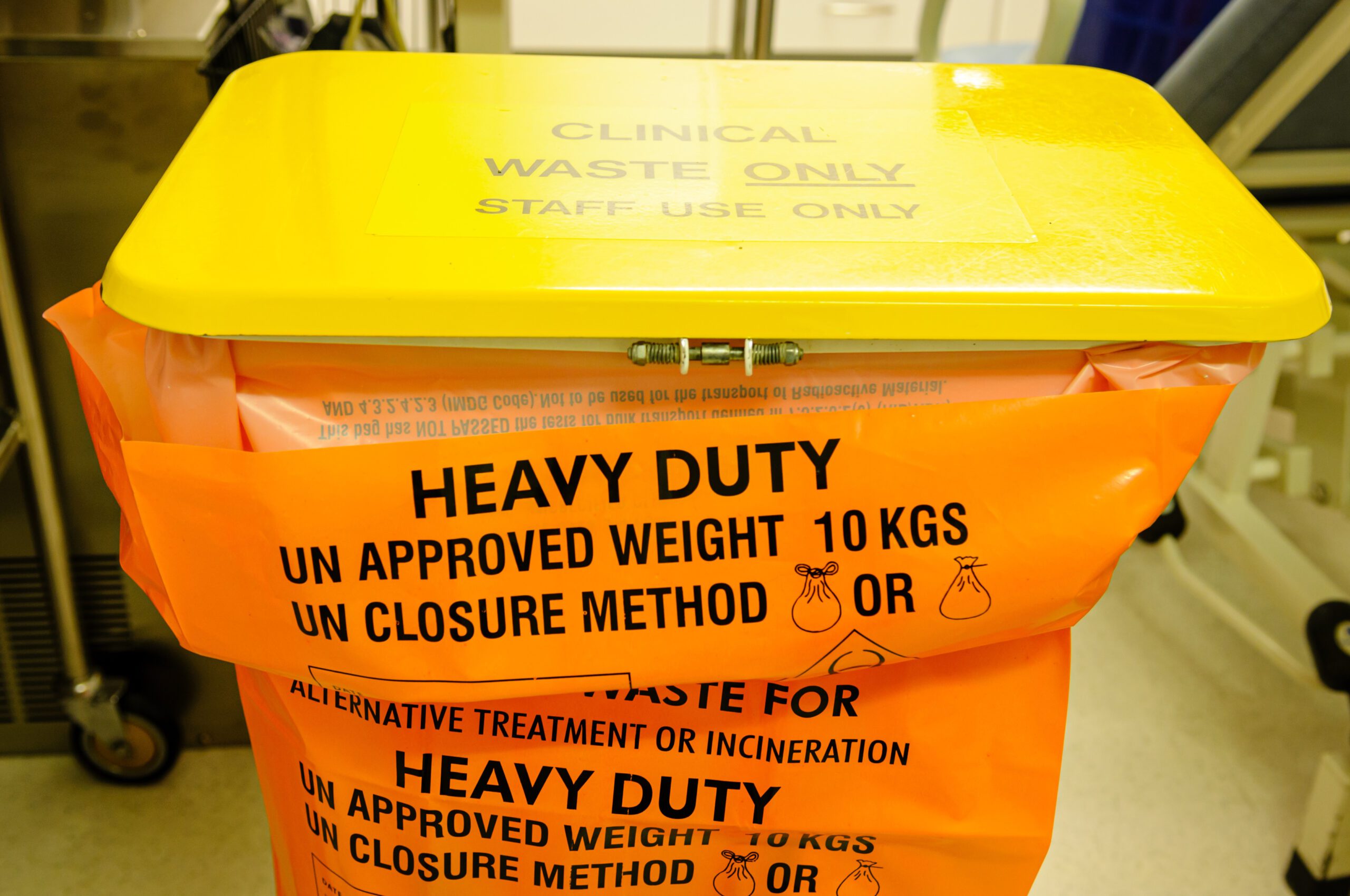
All pathological waste should be clearly separated from general medical or sharps waste. Use designated, leak-proof containers lined with red biohazard bags.
Proper Labeling
Containers must be clearly marked as “Pathological Waste” and include biohazard labeling. Labels should also indicate the contents for safe identification and tracking.
Storage and Transport
Waste must be stored in refrigerated or temperature-controlled environments if not disposed of immediately. Transportation must follow DOT hazardous materials regulations and be conducted by licensed professionals.
Incineration
The preferred and often mandated method, incineration fully destroys organic material, neutralizes pathogens, and reduces waste volume. Facilities must ensure that incinerators meet environmental emission standards.
Compliance Tips for Maine Healthcare Facilities
Staying compliant means more than just following disposal steps. It also requires process documentation, employee training, and working with a qualified disposal partner. Here are a few tips:
- Maintain clear internal policies and SOPs
- Train all staff who handle or transport waste
- Keep manifests and certificates of destruction for your records
- Work with a local provider familiar with Maine DEP and EPA regulations
Maine Labpack has extensive experience managing sensitive waste streams and provides turnkey solutions that ensure full compliance and safety.
Partner With Maine Labpack for Pathological Waste Disposal
Pathological waste requires more than basic healthcare waste management—it demands expert attention, detailed processes, and rigorous compliance. Maine Labpack offers specialized pathological waste disposal services designed to meet the unique needs of hospitals, surgical centers, research labs, and veterinary clinics throughout Maine. We handle everything from container supply and labeling to transport, incineration, and documentation.
Contact us today to request a quote or learn more about how we can support your facility’s medical waste management program.
Frequently Asked Questions
1. What is considered pathological waste?
Pathological waste includes human or animal tissues, organs, body parts, and specimens removed during surgery, autopsy, or research. Because of its biological risks, it must be handled and disposed of through approved processes such as incineration.
2. How is pathological waste safely disposed of?
The most common and compliant method of pathological waste disposal is high-temperature incineration, which fully destroys tissues and reduces the risk of contamination. Facilities must follow federal and state regulations, including RCRA requirements and any state-specific guidelines.
3. Do healthcare facilities need to follow RCRA standards for pathological waste?
Yes. Pathological waste disposal often falls under the Resource Conservation and Recovery Act (RCRA), which sets strict rules for handling, storing, transporting, and incinerating biological waste. Working with a licensed disposal provider helps ensure full compliance.
4. What can healthcare facilities do to stay compliant when managing pathological waste?
Facilities can maintain compliance by properly segregating waste at the source, training staff on handling procedures, storing waste in approved containers, and partnering with a qualified disposal service. Routine audits and clear labeling also help reduce compliance risks.