
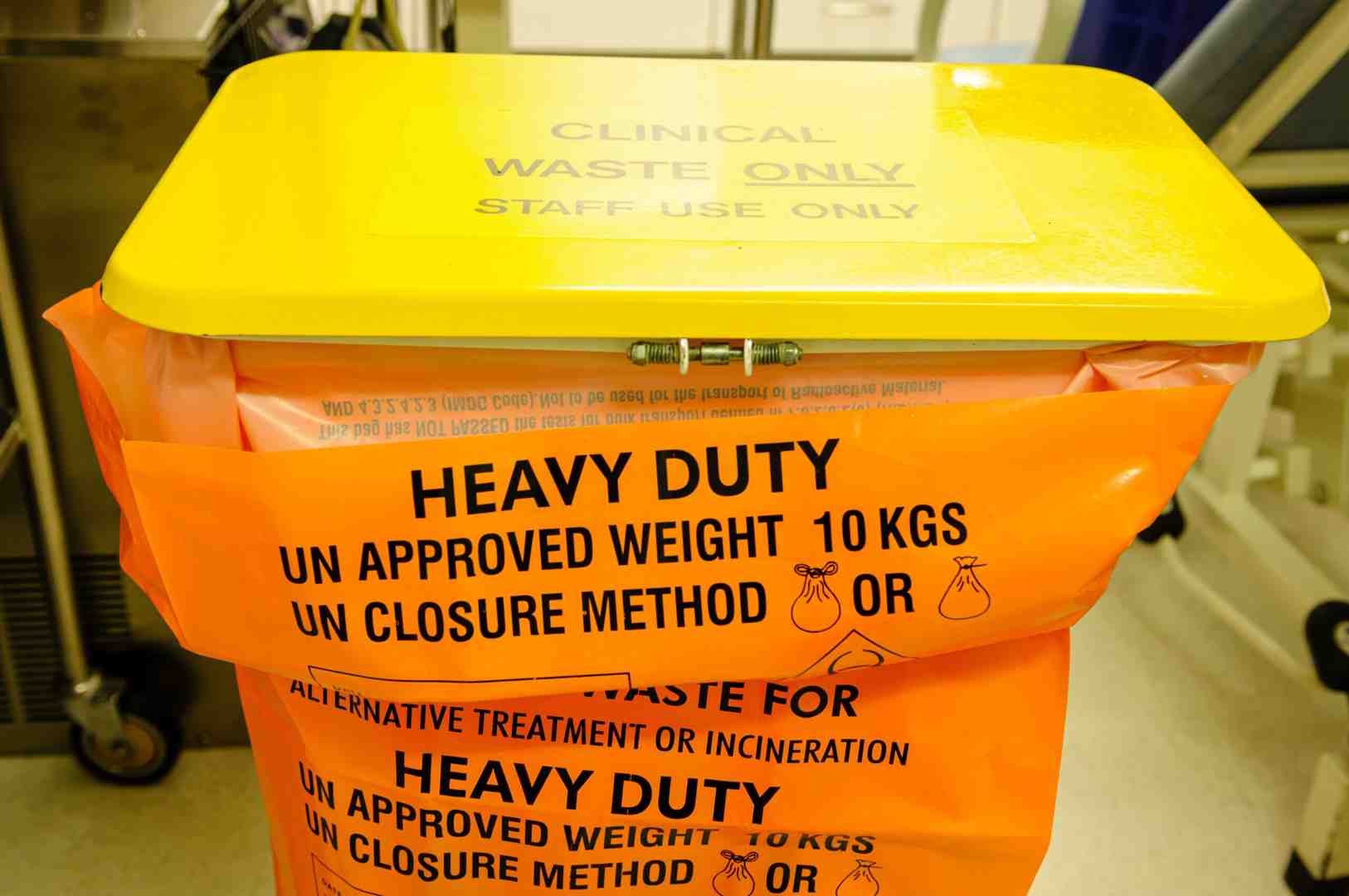
Federal Biohazardous Waste Disposal Guidelines: OSHA, EPA, and CDC
Biohazardous waste disposal guidelines protect people and the environment from materials that can spread disease, cause injury, or contaminate a facility.
| Guideline Area | Key Requirement |
|---|---|
| Segregation | Separate biohazardous waste from general waste at the point of generation |
| Containers | Use red biohazard bags for infectious waste; rigid puncture-resistant containers for sharps |
| Labeling | Mark containers with the biohazard symbol, waste type, facility name, and date |
| Storage | Keep waste in a locked, ventilated area; follow state time limits |
| Treatment | Use autoclaving, incineration, or chemical disinfection based on waste type |
| Training | Train staff at hire and provide annual OSHA refreshers |
| Documentation | Retain manifests and training logs for at least three years |
For healthcare, research, and laboratory facilities in New England, the challenge is the overlapping web of OSHA, EPA, CDC, and state rules. OSHA focuses on workplace safety under the Bloodborne Pathogens Standard, the EPA regulates environmental impacts after waste leaves the facility, and the CDC provides infection-control guidance that often informs best practices. For more context, see The Regulatory Maze: Understanding Medical Waste Oversight.
Facilities should follow Universal Precautions, treating human blood and other potentially infectious materials as if they are infectious. International health guidelines note that less than 10% of the average healthcare waste stream is potentially infectious, and proper segregation can reduce that share to 1-5%. Clear procedures help prevent facilities from overclassifying waste, which increases costs and compliance risk.
Defining Biohazardous Waste Under Federal Oversight
Biohazardous waste generally includes materials containing infectious agents, recombinant DNA, or synthetic nucleic acids that may present a risk to public health or the environment. Examples include biological cultures, stocks of infectious agents, contaminated lab plastics, and PPE saturated with blood. For lab-specific handling procedures, review Maine Labpack’s Biological Waste Disposal Guidelines and the Basel Convention’s technical guidelines for biomedical and healthcare wastes.
Categories of Regulated Medical Waste and Source Segregation
Proper source segregation is the fastest way to reduce compliance risk and disposal costs. When clean packaging, paper, or other non-hazardous material enters a biohazard bag, the entire bag must be managed as biohazardous waste. For a practical comparison, see Maine Labpack’s guide to medical waste vs. biohazardous waste.
| Waste Category | Typical Contents | Container Type | Primary Disposal Method |
|---|---|---|---|
| Infectious/Solid | Blood-soaked gauze, contaminated PPE, plastic cultures | Red biohazard bag | Autoclaving or incineration |
| Sharps | Needles, scalpels, lancets, broken contaminated glass | Rigid, puncture-resistant container | Autoclaving or incineration |
| Pathological | Human tissues, organs, body parts | Rigid container | Incineration or interment |
| Pharmaceutical | Expired medications, unused non-RCRA drugs | Black or blue container | Incineration |
| Chemical | Solvents, lab reagents, fixatives | Hazardous waste container | Chemical treatment or incineration |
The Six Classes of Regulated Medical Waste
Regulated medical waste is commonly grouped into six classes: cultures and stocks, pathological waste, human blood and blood products, contaminated animal waste, sharps, and biotechnology by-product effluents. Each class has distinct handling, packaging, and treatment requirements. For more detail, read 6 Types of Regulated Medical Waste and Decoding RMW: A Guide to the Classes of Regulated Medical Waste. Pathological waste requires especially careful handling, as outlined in Pathological Waste: Safe and Compliant Disposal.
Implementing Source Segregation for Biohazardous Waste Disposal Guidelines
Place color-coded containers where waste is generated, train staff to keep non-risk materials out of the biohazard stream, and audit disposal areas regularly. Institutional frameworks such as the Vanderbilt Biowaste Guide can help facilities standardize these procedures.
OSHA Requirements for Handling, Labeling, and Containment
OSHA requires facilities that handle biohazardous waste to maintain a written Exposure Control Plan covering engineering controls, work practices, and PPE. Employees should use appropriate protection, such as fluid-resistant gloves, safety glasses, and gowns, whenever exposure is possible. For a broader overview, see Compliance and Beyond: Mastering Regulated Waste.
Proper Use of Red Biohazard Bags and Sharps Containers
Red biohazard bags should meet applicable ASTM tear and impact-resistance standards and be closed without staples or other puncture risks. Sharps must go immediately into rigid, puncture-resistant containers located near the point of use. Red bags and sharps containers should be permanently closed when they are three-quarters full to reduce spill and injury risks. Learn more about compliant sharps disposal.
Labeling and Secondary Containment Standards
Before internal transport, sealed red bags and sharps containers should be placed in rigid, leak-proof secondary containers marked with the biohazard symbol. DOT UN 3291 standards require outer containers to prevent leaks during transit. For an institutional example, review the University of Hawai‘i Biological Waste Disposal Guidelines.
Safe In-Facility Transport and Storage Procedures
Move biohazardous waste in dedicated, leak-proof carts with raised sides, not by dragging bags or carrying them through public areas. Routes should avoid high-traffic corridors and passenger elevators when possible. For more detail, see Maine Labpack’s guidelines for storing medical waste.
Internal Transport Protocols and Spill Preparedness
Transport personnel should have immediate access to biological spill kits stocked with disinfectant, absorbent materials, PPE, and tools for picking up broken glass. The VUMC Biological Waste Guide offers useful spill-response reminders.
Facility Storage Area Requirements
Designated storage areas should be locked, ventilated, clean, protected from pests and weather, and built with impervious, easy-to-clean flooring. Storage time limits vary by state and climate; in New England, untreated biohazardous waste is often limited to 48-72 hours unless refrigerated or frozen. For Massachusetts-specific storage language, consult 105 CMR 480.000.
Approved Treatment and Disposal Technologies
Biohazardous waste must be treated to render it non-infectious before final disposal. Common methods include autoclaving, incineration, and chemical disinfection. Maine Labpack’s medical waste disposal services can help facilities manage these requirements.
Autoclaving, Incineration, and Chemical Disinfection
- Autoclaving: Uses high-pressure steam, often 121°C or 250°F at 15 psi, to kill pathogens. Facilities should verify performance with biological challenge testing.
- Incineration: Required for many pathological, cytotoxic, and pharmaceutical waste streams because it destroys organic matter at high temperatures.
- Chemical Disinfection: Often used for liquid biological waste, such as cell cultures, but bleach-treated liquids should not be autoclaved because heating bleach can release toxic chlorine gas.
For state-specific approvals in northern New England, consult the Maine DEP Biomedical Waste Rules.
Managing Special Waste Streams: Pharmaceutical, Chemical, and Radioactive
Mixed waste streams need specialized handling. Hazardous pharmaceutical waste must follow EPA Subpart P and RCRA requirements, while non-RCRA pharmaceuticals are typically collected for incineration. Maine Labpack provides more information on pharmaceutical waste and controlled DEA waste. Cytotoxic waste often requires yellow containers and high-temperature incineration, while radioactive medical materials may be stored for decay before disposal as regular waste.
Compliance, Training, and Facility Leadership
Maintaining compliance requires internal audits, accurate records, and clear ownership.
Waste tracking documents, treatment logs, and training records should be retained for at least three years. For regional compliance guidance, review Maine Labpack’s Maine Biohazardous Waste Guidelines Recommendations.
Staff Training and Documentation Requirements
OSHA requires employees who handle biohazardous waste to receive training at initial hire and annual refresher training afterward. Logs should record the training date, covered topics, trainer credentials, and attendees. For disposal support, explore Maine Labpack’s hazardous waste disposal services.
Common Compliance Mistakes to Avoid Under Biohazardous Waste Disposal Guidelines
Avoid these common errors:
- Overfilling Containers: Close sharps containers and red bags at the three-quarters mark.
- Mixing Waste Streams: Keep chemical and pharmaceutical waste out of red biohazard bags.
- Misusing Red Bags: Do not place clean packaging or office waste in the biohazard stream.
- Poor Labeling: Date and label every bag and container with required facility information.
Leadership Responsibilities and Waste Management Officers
Facility leaders should appoint a Waste Management Officer to conduct audits, update emergency protocols, and prepare staff for spills or exposure incidents.
Frequently Asked Questions About Biohazardous Waste
What is the difference between medical waste and biohazardous waste?
Medical waste includes all waste generated in healthcare or research settings, including clean packaging and office paper. Biohazardous waste is the subset that contains biological agents with a risk of infection or disease transmission.
How long can biohazardous waste be stored on-site?
Storage limits depend on state regulations and climate. In New England, untreated biohazardous waste is often limited to 48-72 hours of on-site storage unless refrigerated or frozen.
What are the consequences of non-compliance with disposal guidelines?
Non-compliance can lead to OSHA and EPA fines, environmental contamination, staff injuries or infections, legal liability, and reputational damage.
Stay Compliant With Biohazardous Waste Disposal Guidelines
Staying compliant starts with proper segregation, container use, staff training, and transport protocols. With the right systems in place, your facility can protect employees, safeguard the New England environment, and reduce unnecessary disposal costs.
Maine Labpack helps healthcare, laboratory, and research facilities across Maine, Massachusetts, New Hampshire, Vermont, and Rhode Island manage complex waste streams safely and efficiently. As a New England-based hazardous waste partner, Maine Labpack comes directly to your site for lab packs, medical waste, and related disposal needs.
Ready to improve compliance and simplify waste management? Schedule a consultation for healthcare waste disposal with Maine Labpack.