
Last updated on September 30th, 2025 at 05:55 pm
Proper labeling and marking of dangerous goods is critical for ensuring safety during transportation, protecting workers, and complying with federal and state regulations. These identifiers communicate the potential hazards of materials to handlers, transporters, and emergency responders, helping to prevent accidents and environmental damage. This guide explains the difference between markings and labels, outlines hazard class requirements, highlights recent regulatory updates, and provides practical tips for safe and compliant labeling.
Markings vs. Labels
Markings are divided into two distinct categories – marks that identify the design and specifications of a package and marks that identify the use of a particular package for shipment. Packaging use markings include:
- A Proper Shipping Name (PSN) marker that includes a technical or chemical group name
- Special Permit Numbers
- Consignor and Consignee information including addresses, phone numbers, etc.
- Special hazard warnings such as marine pollutants, inhalation hazards, etc.
- “This end up” or package orientation markings
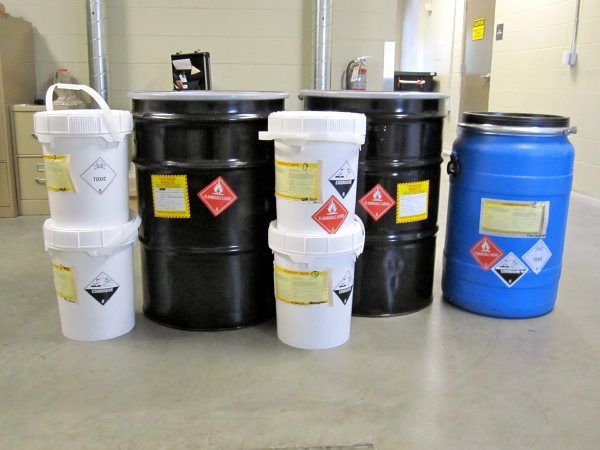
Labels are an even more specific marker on a package and are used to alert you of imminent danger. The 100 mm x 100mm diamond shaped markers found on a package containing dangerous goods are the foremost example of a label. These labels have a variety of very specific requirements:
- Must be a specific color in correspondence with hazard class
- Must be within 6 inches of a marking containing the PSN
- Must be affixed at a 45° angle
- Multiple hazard labels must be affixed adjacent to each other
Hazard Class Labels
Understanding hazard class labels is essential for anyone handling or transporting dangerous goods. Each class of hazardous material has a specific label that communicates the type of risk associated with the contents. These labels use standardized colors, symbols, and numbers to ensure that everyone in the supply chain—from warehouse personnel to emergency responders—can quickly recognize the hazards and take appropriate precautions. Proper labeling not only protects people and the environment but is also a legal requirement under both federal DOT regulations and Maine state law.
Below is an overview of the hazard classes and their corresponding labels:
- Class 1 (Explosives): Orange label with explosion symbol
- Class 2 (Gases): Red label with gas symbol
- Class 3 (Flammable Liquids): Red label with flame symbol
- Class 4 (Flammable Solids): Red label with flame symbol
- Class 5 (Oxidizers & Organic Peroxides): Yellow label with oxidizer symbol
- Class 6 (Toxic & Infectious Substances): White label with skull symbol
- Class 7 (Radioactive Materials): Yellow and white label with radiation symbol
- Class 8 (Corrosive Substances): White label with corrosion symbol
- Class 9 (Miscellaneous Dangerous Goods): White label with general hazard symbol
Frequently Asked Questions
What is the difference between a marking and a label?
Markings provide information about the contents or handling requirements, while labels indicate the specific hazards of the materials inside.
Are there specific size requirements for labels?
Yes. Label symbols must be proportionate in size to regulatory specifications.
Can I reuse labels from previous shipments?
Only if they are in good condition and legible. Damaged labels must be replaced.
Where should labels be placed on a package?
Labels should be within 6 inches of the proper shipping name and displayed at a 45° angle.
Do small quantities of hazardous material need labeling?
Yes. Even small quantities must be properly labeled and marked for safe transport.
Ensure Compliance with Maine Labpack
Navigating hazardous materials labeling and marking regulations can be complex. Maine Labpack provides expert support to help businesses and institutions comply with all applicable federal and Maine state regulations. Our services include:
- Hazardous materials identification and classification
- Proper labeling and marking
- Staff training on hazardous materials handling
- Regulatory compliance assistance and documentation
Contact Maine Labpack online today or call us at (207) 767-1933 to ensure your hazardous materials are safely labeled, compliant, and ready for transport.