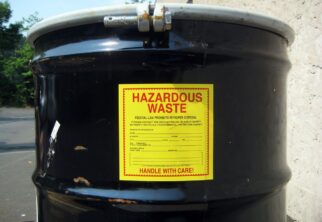
A facility’s generator status significantly determines its hazardous waste collection requirements under federal laws established by the Resource Conservation and Recovery Act (RCRA).
If you are a hazardous waste generator, scheduling an in-house hazardous waste audit regularly will help you be prepared for inspections conducted by federal, state, or local authorities at any time.
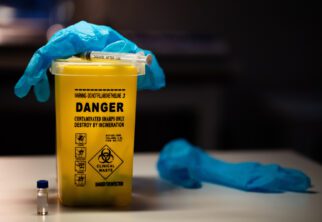
What is the difference between medical waste and biohazardous waste? These terms are often used interchangeably and, in truth, are related types of waste generated at and by healthcare facilities.
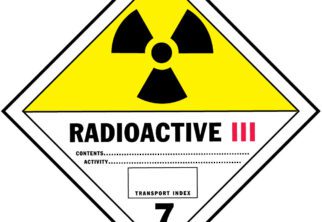
Radioactive material is unique in that it is not disposed of by one of the normal means. Those normal means entail fuel blending, incineration, recycling, and neutralization.
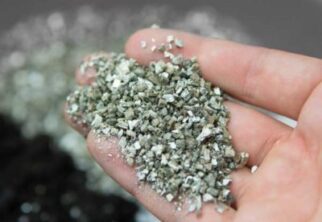
Many customers ask us why we pour what looks like gravel or dirt into their containers of hazardous waste or dangerous goods shipments. Like shipping any material, hazardous goods need something to cushion them during shipment.
Did you know that mercury waste can permanently damage the nervous system? According to the Maine Department of Environmental Protection, it is estimated that 630,000 children are born in the United States with a toxic level of mercury in their system.
The Resource Conservation and Recovery Act (RCRA) of 1976 was set forth by the United States Environmental Protection Agency (EPA) to govern hazardous wastes from cradle to grave.
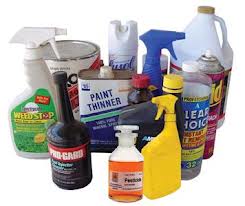
Did you know that the U.S. Environmental Protection Agency (EPA) considers a large number of household products to be hazardous? These materials are considered hazardous waste because they exhibit characteristics that can cause cancer, an explosion, a fire…