
Maine Labpack manages batteries, mercury-containing equipment, lamps (fluorescent and HID), and certain pesticides under EPA universal waste regulations.
At Maine Labpack, we offer turnkey universal waste disposal and electronics recycling services. We recycle and dispose of all universal wastes in accordance with state and federal regulations.
What is Universal Waste?
Universal waste is a category of hazardous waste that is produced by virtually all businesses, households, and public spaces. The U.S. Environmental Protection Agency regulates universal wastes to encourage proper disposal and recycling of these common hazardous or potentially hazardous items.
This type of waste includes:
- Batteries: Lithium-ion, silver ion, nickel-cadmium (Ni-Cad), mercury oxide, alkaline, lead-acid batteries, etc.
- Mercury Devices: Thermostats, switches, thermometers, etc.
- Lamps/Light Bulbs: Fluorescent lamps, mercury vapor, high-pressure sodium, metal halide, CFLs, ballasts containing polychlorinated biphenyls (PCBs), etc.
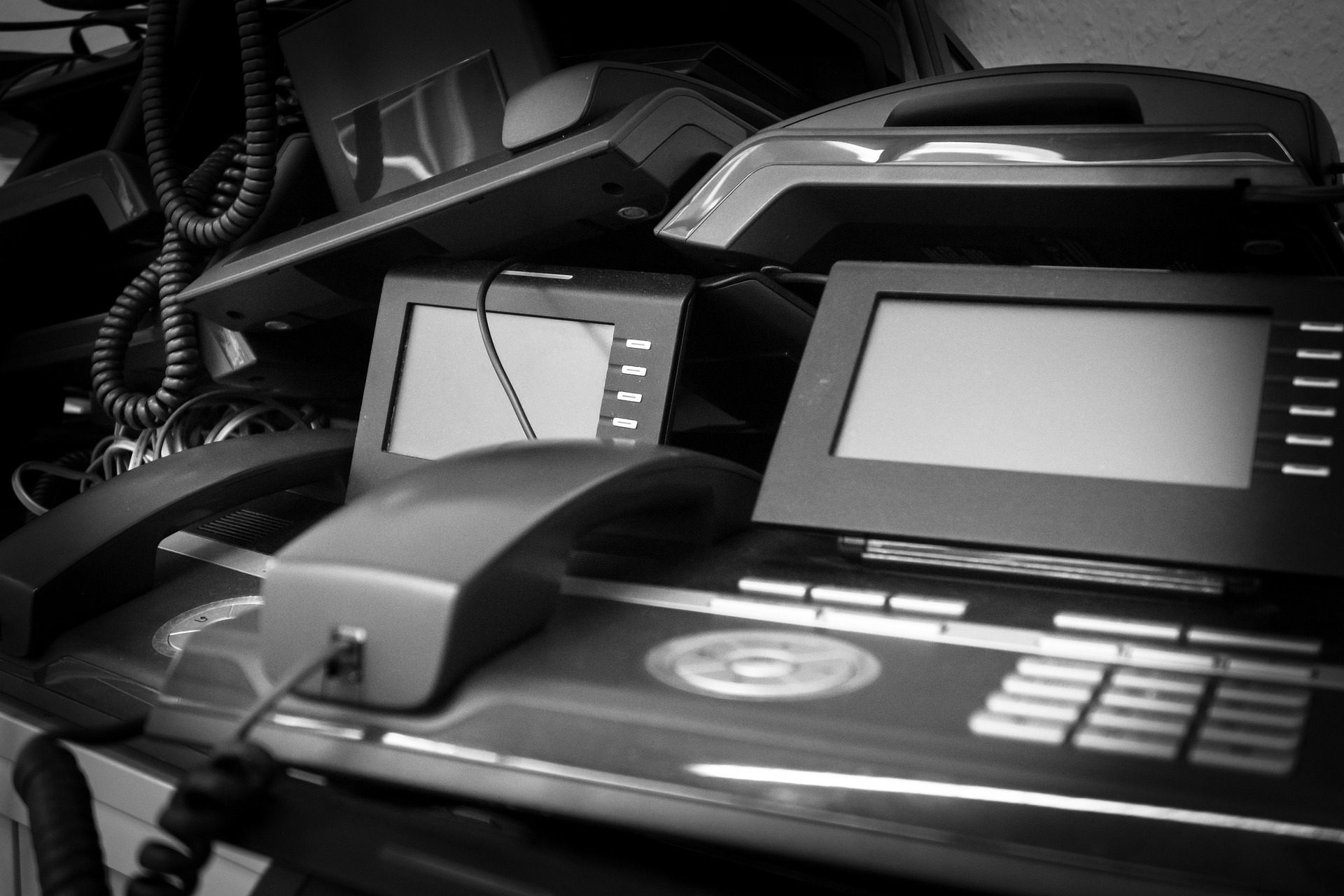
- Electronics: Televisions, computers, cathode ray tubes (CRTs), flat panel displays, etc. Large electronics, including printers, appliances, switchboards, etc., may also be recycled with universal waste.
Maine Labpack also offers secure destruction of all types of universal waste and electronics at your request to ensure compliance and security. Each shipment includes a certificate of recycling upon delivery of waste to the processing facility.
Universal waste is a streamlined category of commonly generated hazardous waste items. Maine Labpack ensures proper labeling, storage time limits, and compliance with federal and Maine state recycling regulations.
Yes. Maine Labpack offers recurring pickup services for businesses, schools, municipalities, and healthcare facilities that regularly generate universal waste.
Maine Labpack helps organizations reduce environmental liability while maximizing recycling compliance and maintaining proper documentation.