
Biohazardous waste, medical waste, or other potentially infectious materials includes much of the waste produced by healthcare facilities, research laboratories, or veterinarian offices. Examples of this type of waste include contaminated sharps, bodily fluids, or materials contaminated with infectious substances.
Proper healthcare waste disposal is essential for patient safety, regulatory compliance, and environmental protection. Maine Labpack, Inc. provides reliable medical waste management for hospitals, clinics, dental and veterinary offices, handling sharps, biohazardous materials, pharmaceuticals, and more. Our flexible, no‑contract pickup services ensure safe, compliant disposal every time.
Types of Healthcare Waste We Manage
Medical waste includes a variety of materials such as biohazardous waste (like bloody gauze and used sharps) and pharmaceutical waste. From sharps to DEA-controlled substances, Maine Labpack can handle all types of medical waste removal. These types of waste include radioactive waste, chemical waste, pathological waste, infectious waste, and other types of generally non-hazardous waste for secure destruction.
Why Choose Maine Labpack for Healthcare Waste Disposal
Maine Labpack is fully equipped to serve medical clinics, dental offices, long‑term care facilities, labs, and more with comprehensive healthcare waste disposal services. We handle every waste stream — from sharps and pathological waste to pharmaceuticals and controlled substances — with strict adherence to OSHA, EPA, and state guidelines. Our team provides clear guidance on segregation, labeling, and secure containment, and ensures safe, compliant transport and disposal. With Maine Labpack, healthcare providers get dependable, worry‑free waste management, so they can focus on patient care without regulatory or environmental risk.
Sharps are a specific type of medical waste that has a sharp edge, point, or other means of causing a cut or laceration to the skin. Examples include needles, lancets, razors, or knives contaminated with blood or other potentially infectious substances.
Hospitals, surgical centers, laboratories, and veterinary clinics often generate pathological waste, including human or animal tissues, organs, body parts, and surgical specimens. Because this waste requires incineration and strict regulatory handling, it must be managed separately from standard medical waste.
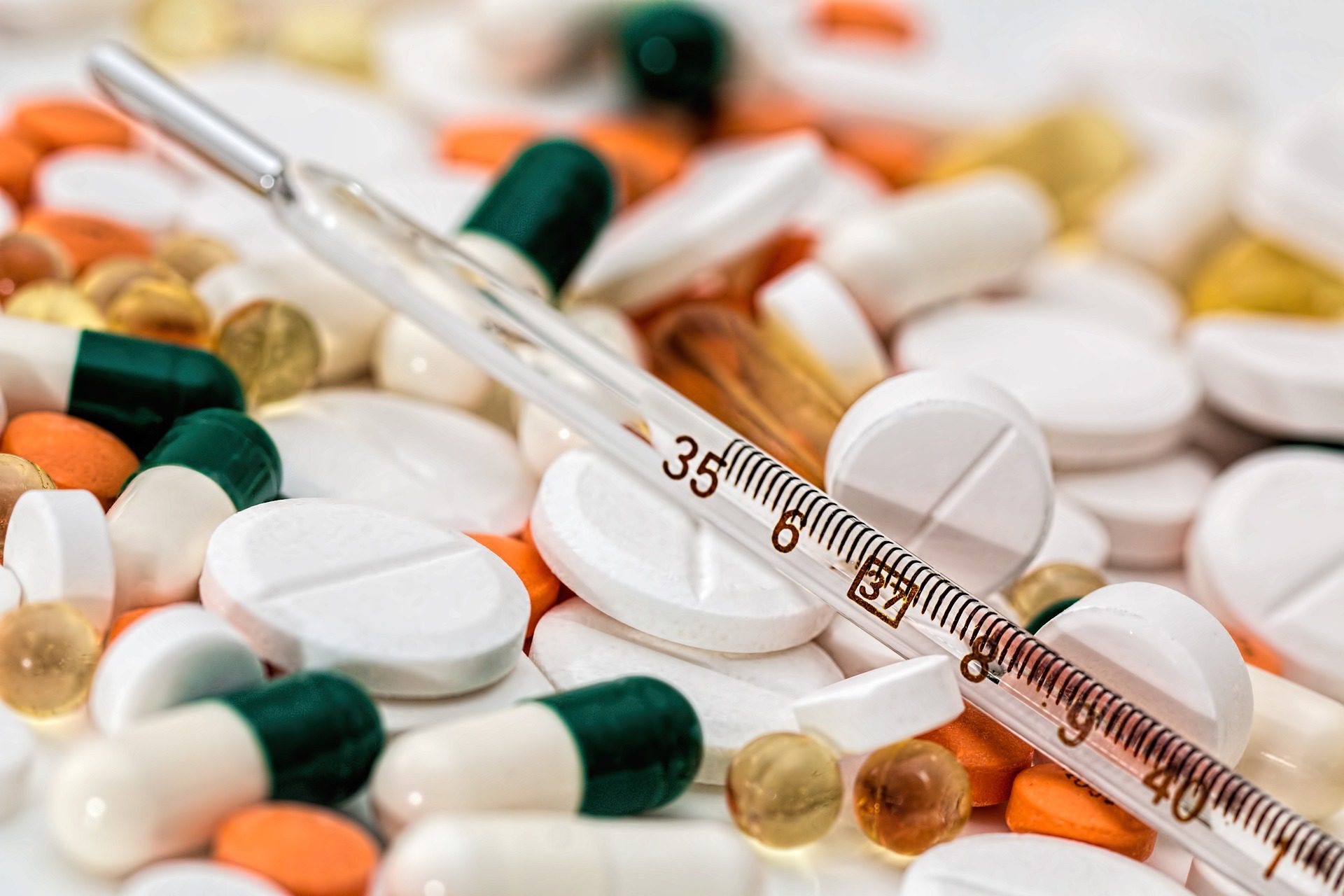
Pharmaceutical waste includes any type of medication, the materials used to make medication, or the by-products of manufacturing. Pharmaceuticals can be broken down into a few categories including hazardous, non-hazardous, DEA controlled, or over the counter. Each of these specific types of pharmaceuticals need specialized disposal depending on their properties.
DEA controlled pharmaceuticals, sometimes referred to as scheduled drugs, are materials controlled by the Federal government due to their addictive properties or their ability to be abused. Such medications need careful disposal to stay in compliance and reduce the risk of pilfering.
Hazardous medical waste is any substance that exhibits characteristics of a medical waste and a hazardous waste. This, sometimes referred to as “regulated waste” includes materials like pathological waste that need specialized disposal.
Waste contaminated with chemotherapy agents must be handled differently than regular medical waste and kept separate from those waste streams. For example, chemotherapy residue waste is often kept in yellow containers to denote what the material is. Chemotherapy waste in its full strength though should be managed as hazardous medical waste.