
Last updated on December 8th, 2025 at 07:24 pm
Proper disposal of microbiological waste is critical for protecting public health, preventing the spread of infectious diseases, and maintaining compliance with state and federal regulations. In Maine, specific rules govern the handling, treatment, and disposal of microbiological and biomedical waste, and businesses or laboratories generating this type of waste must follow them carefully. This guide provides a comprehensive overview of the procedures, regulatory requirements, and best practices for microbiological waste disposal in Maine.
What is Microbiological Waste?
Microbiological waste, also called biohazardous or biomedical waste, refers to materials that have been contaminated with potentially infectious microorganisms. Common examples include:
- Cultures and specimens used for research or diagnostic purposes
- Sharps such as needles, scalpels, pipettes, and broken glassware
- Contaminated body fluids, tissues, and pathological waste
- Used personal protective equipment (PPE) including gloves, masks, gowns, and lab coats
Proper identification and segregation of microbiological waste are crucial to ensure safe handling and disposal.
How is Microbiological Waste Generated?
Microbiological wastes are generated in a variety of ways. Via cultures and specimens, for example, from Petri dishes, test tubes, vials, and other containers used to grow and transport microorganisms for diagnostic or research purposes. Sharps—needles, scalpels, objects used in medical procedures or laboratory work, and equipment like pipettes, centrifuge tubes, and glassware used in microbiological experiments or procedures.
Other examples of microbiological wastes can derive from contaminated human or animal tissues, body fluids, and pathological waste. Disposable materials like bandages, swabs, and dressings that have been in contact with infectious materials, as well as all the personal protective equipment (PPE)–the used gloves, gowns, masks, and other protective gear worn by hospital, clinical, and laboratory personnel.
Procedures for Microbiological Waste Disposal
Typically, microbiological waste is collected in specially labeled and color-coded containers, subject to strict regulations and guidelines for safe handling, transportation, and disposal. Though federal oversight and regulation is limited—the EPA primarily defers regulation to state environmental and health departments—the US Department of Transportation does specify packaging. It regulates transportation, and OSHA has established standards for handling and disposing bloodborne pathogens and diseases to protect employee health and safety.
For example, researchers of microbiological waste in Maine, in healthcare, research, and clinical facilities, are required to register as generators with the state’s Department of Environmental Protection. The DEP has packaging, labeling, handling, storage, transportation, disposal, and treatment requirements that must be adhered to by generators. Transporters of microbiological waste and owners of disposal and treatment facilities must be licensed. The disposal of untreated microbiological waste in Maine is against the law. Failure to comply can result in heavy fines and, if violations are intentional, the possibility of imprisonment.
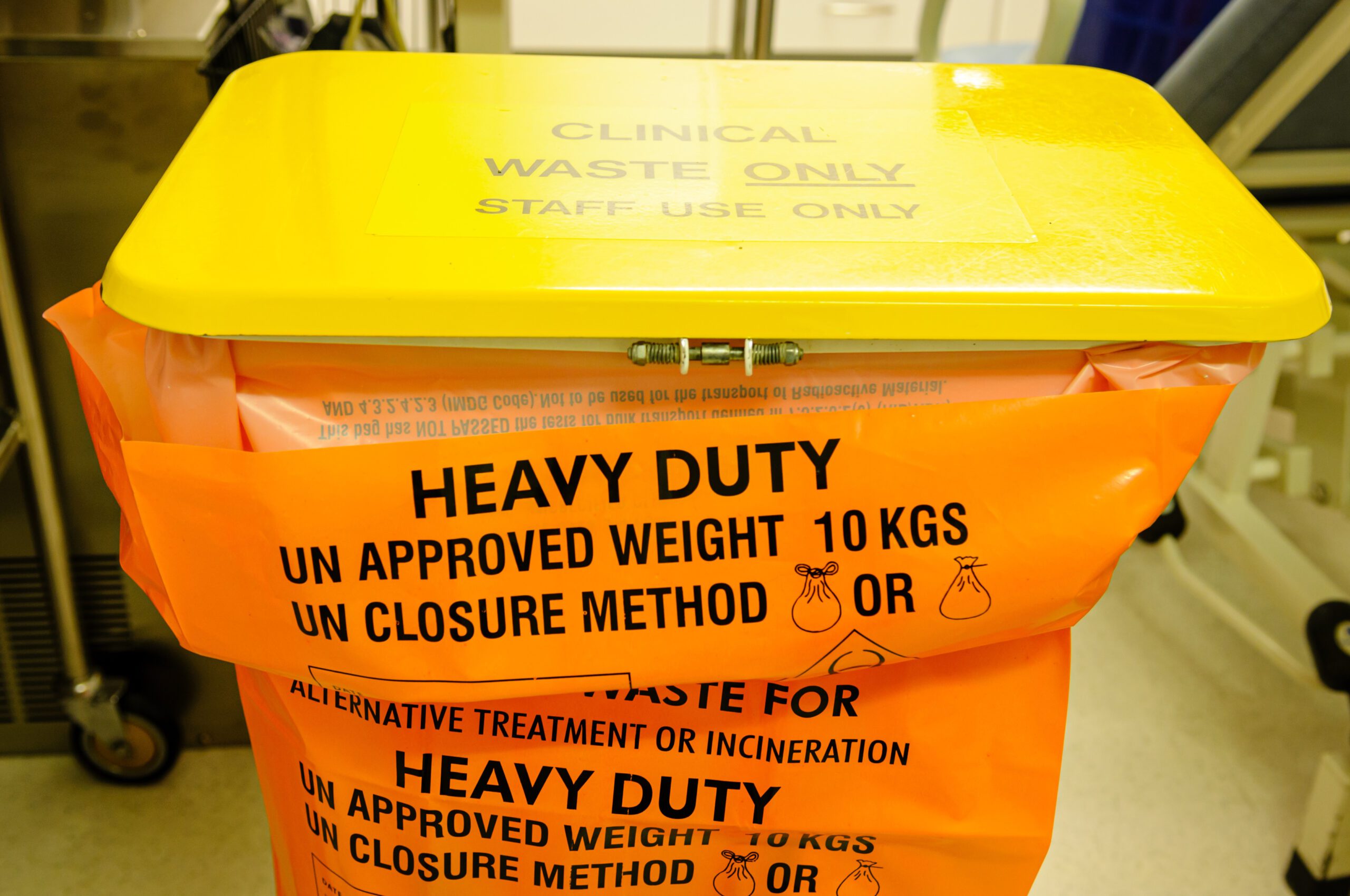
General procedures for microbiological waste disposal begin with keeping it segregated from regular waste at the source. Use dedicated containers clearly labeled with the appropriate biohazard symbol to indicate and identify the microbiological waste. These containers should be leak-proof and have a tight-fitting lid or seal. Some waste can be subjected to sterilization through autoclaving or incineration. Other wastes will need to be transported. A licensed provider must transport microbiological waste from a facility to an off-site disposal and treatment center. All waste must be in properly labeled, leak-proof containers with detailed documentation.
Maine Regulations on Microbiological Waste
In Maine, the management of microbiological waste is regulated under the Biomedical Waste Management Rules (06-096 CMR 900). These rules are designed to ensure that infectious waste is safely treated and disposed of without endangering public health or the environment. Key regulatory requirements include:
- Registration: All facilities generating microbiological or biomedical waste must register with the Maine Department of Environmental Protection (DEP).
- Licensing: Transporters and operators of treatment facilities must be licensed to handle and dispose of microbiological waste.
- Treatment Standards: Microbiological waste must be treated using approved methods, such as autoclaving, incineration, or chemical disinfection, before final disposal.
- Tracking and Documentation: A manifest system must be maintained to track waste from the point of generation to final disposal, ensuring full regulatory compliance.
Facilities should stay up-to-date with both state and federal regulations, as rules regarding infectious waste can evolve to address emerging health risks.
Best Practices for Microbiological Waste Disposal
Following best practices not only ensures regulatory compliance but also protects employees, patients, and the public. Recommended procedures include:
- Segregation: Keep microbiological waste separate from regular trash and other types of waste.
- Labeling: Use containers clearly marked with the biohazard symbol to indicate infectious material.
- Packaging: Place waste in leak-proof, puncture-resistant containers with secure lids.
- Storage: Store waste in designated, secure areas away from unauthorized personnel until disposal.
- Transportation: Use licensed and trained transporters to move microbiological waste to approved treatment or disposal facilities.
- Documentation: Maintain accurate records of all waste generated, treated, and disposed of to demonstrate compliance during inspections.
Contact Maine Labpack for Hazardous Waste Disposal Solutions
Proper management of microbiological waste requires experience, training, and regulatory knowledge. Maine Labpack provides comprehensive waste management solutions to ensure your facility remains fully compliant with Maine regulations while prioritizing safety. Contact us online or call us at (207) 767-1933 to discuss your microbiological waste disposal needs and set up a reliable management plan.
Frequently Asked Questions
Who must comply with microbiological waste disposal regulations in Maine?
Any facility generating microbiological or biomedical waste—including hospitals, research laboratories, veterinary clinics, and dental offices—must comply with state regulations.
What are the consequences of non-compliance?
Violations can result in fines, facility shutdowns, or in severe cases, criminal penalties. Non-compliance also poses serious health risks to employees and the community.
Can microbiological waste be disposed of in regular landfills?
No. Untreated microbiological waste cannot be sent to regular landfills. It must first be treated through approved methods to neutralize infectious agents.
How should sharps be handled?
Sharps should always be placed in puncture-resistant, clearly labeled containers. These containers should never be overfilled and must be securely closed before disposal or transport.
What documentation is required for compliance?
Facilities must maintain manifests tracking all microbiological waste from generation to final disposal, treatment certificates, and records of staff training in waste handling.