
Last updated on March 4th, 2026 at 08:56 pm
When a light bulb burns out, most people don’t give it a second thought. But if that bulb is a fluorescent lamp, or any other mercury-containing bulb, improper disposal could pose serious risks to people and the environment.
So, are light bulbs hazardous waste? The answer depends on the type of bulb. In this guide, we’ll break down which bulbs are considered universal waste, how to manage them safely, and why compliant disposal matters for your business or facility.
What Makes a Light Bulb Hazardous?
Many commercial lighting systems use fluorescent bulbs or high-intensity discharge (HID) lamps, which often contain mercury—a toxic heavy metal. When these bulbs break or are improperly disposed of, mercury can be released into the air, water, or soil.
This puts both human health and the environment at risk. That’s why the EPA classifies mercury-containing lamps as universal waste, a subcategory of hazardous waste that’s subject to streamlined, yet specific, regulations.
Types of Universal Waste Lamps
Not all lamps are created equal. Here are the most common types that qualify as universal waste:
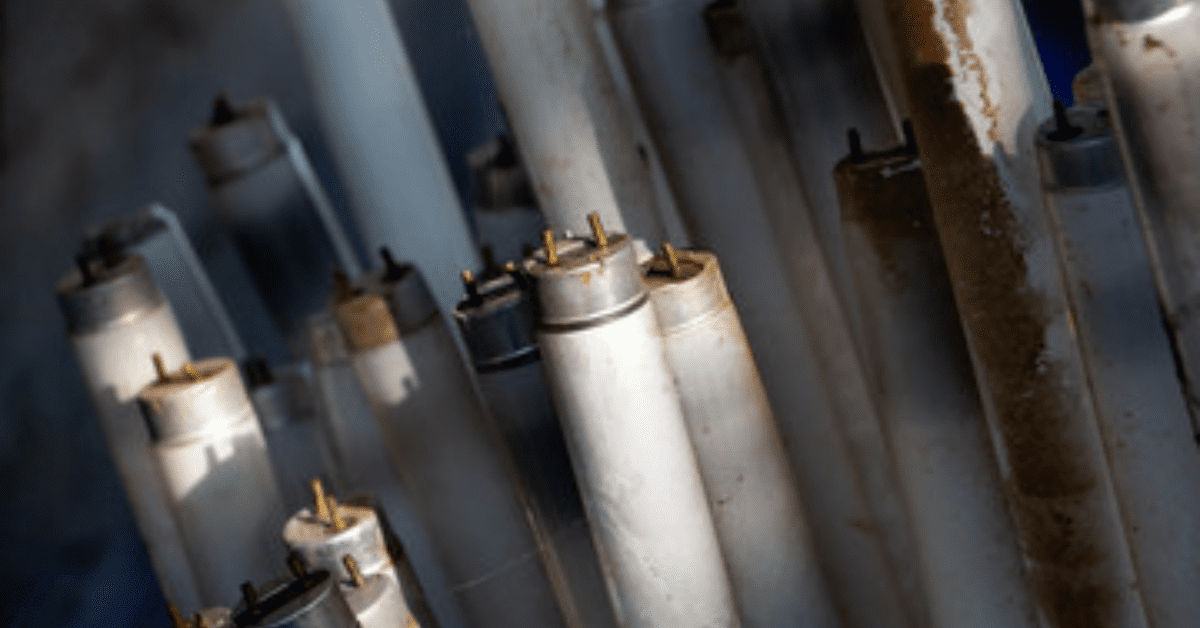
- Fluorescent Lamps (tubes and CFLs): These are the most widespread and contain small amounts of mercury vapor.
- High-Intensity Discharge (HID) Lamps: Often used in industrial settings or streetlights, including metal halide and mercury vapor lamps.
- Neon Lamps: Can contain mercury or other hazardous gases.
- UV and Germicidal Lamps: Used in healthcare, laboratories, and manufacturing settings.
Each of these requires proper labeling, storage, and recycling to stay compliant with state and federal regulations.
Fluorescent Bulbs & Mercury: What You Need to Know
You’ve likely heard of fluorescent bulbs mercury concerns, but what does that actually mean? Here’s a quick breakdown:
- Amount of Mercury: Each bulb contains only a small amount (typically 3–5 mg), but that’s enough to contaminate natural ecosystems if not handled correctly.
- Breakage Risk: If a fluorescent lamp breaks, mercury vapor can be released, requiring specific cleanup protocols.
- Regulatory Oversight: Businesses and institutions must follow EPA universal waste regulations and may be subject to additional state requirements in Maine.
Storage and Disposal Best Practices
To stay in compliance and reduce risk, follow these best practices for handling and storing universal waste lamps:
- Label All Containers: Use clear labels like “Universal Waste – Lamps” with the accumulation start date.
- Use Secure Containers: Store lamps in closed, durable containers that prevent breakage.
- Limit Accumulation Time: Universal waste lamps can only be stored for up to one year.
- Train Employees: Staff must understand the hazards of fluorescent lamps mercury exposure and how to manage broken bulbs safely.
- Use a Certified Waste Handler: Partner with a licensed professional (like Maine Labpack) to ensure compliant recycling and documentation.
Why Recycle Hazardous Lamps?
Recycling doesn’t just protect the environment—it also protects your business. Here’s how:
- Avoid EPA Fines: Non-compliance can result in costly penalties.
- Protect Worker Safety: Proper disposal reduces exposure risk to your team.
- Improve Sustainability Metrics: Many businesses aim to reduce their environmental footprint and recycling helps achieve that goal.
- Close the Loop: Valuable materials like glass, metals, and even mercury can be reclaimed and reused.
Maine’s Universal Waste Rules: Local Matters
In Maine, universal waste rules align with federal guidelines but include some additional standards under the Maine Department of Environmental Protection (DEP). Maine Labpack helps you navigate both EPA and state-specific requirements, taking the guesswork out of compliance.
Partner with Maine Labpack for Safe, Compliant Lamp Disposal
If your facility uses fluorescent lamps, mercury-containing bulbs, or other regulated lighting products, don’t wait for an inspection or accident to get compliant. Maine Labpack is your local partner in safe, efficient, and fully documented universal waste disposal. Let us handle the paperwork, transport, and recycling—so you can focus on what you do best.
Contact us today to request a quote or schedule a pickup. We’ll help you protect your people, meet environmental regulations, and keep your business running clean.