
Last updated on December 8th, 2025 at 07:30 pm
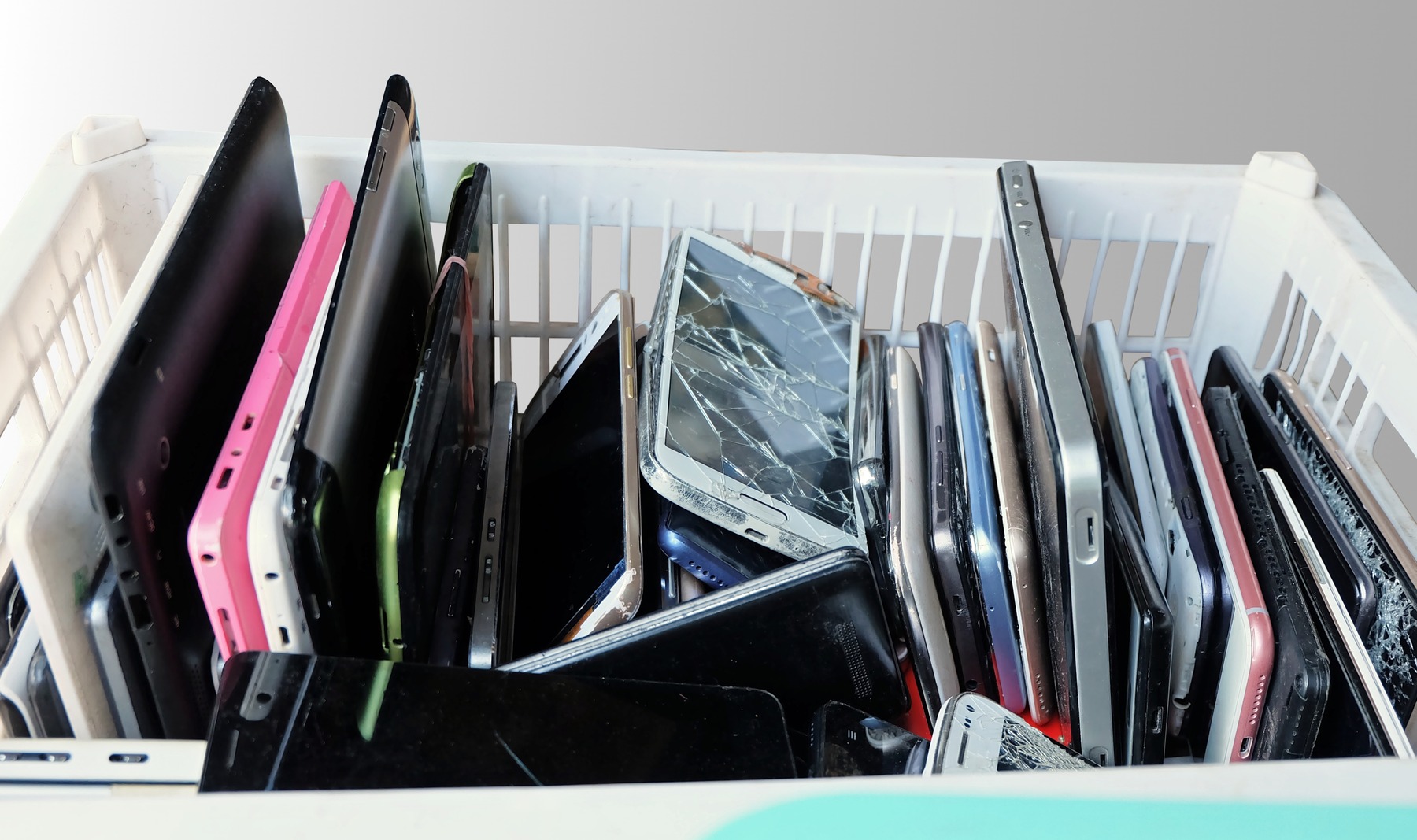
Knowing how to dispose of electronics responsibly is likely the last thing on your mind when purchasing a new cell phone, tablet, or point-of-sale retail system for your business. Yet, when buying new devices, knowing how to responsibly dispose of older electronics is essential—and there’s a good reason.
Electronics of all kinds contain toxic components and hazardous substances like lead, mercury, cadmium, and arsenic, and such harmful compounds as chlorofluorocarbons, brominated flame retardants, and polychlorinated biphenyls (PCBs). There’s also a loss of valuable resources like gold and copper when electronics are improperly disposed of. It’s not simply that these metals are of value, but by not recycling them, the reliance on environmentally and socially destructive mining activities and practices worldwide continues to increase.
E-Waste Disposal By The Numbers
Though it may seem improbable, improper disposal and inadequate recycling of old and dated electronics increasingly contribute to pollution and health risks to local communities and pose an ongoing environmental threat to everyone, everywhere. By the numbers, the total amount of electronic waste disposed of annually is exponentially growing. In 2022, Statista reported that 62 million metric tons of electronic waste (e-waste) was generated globally, up from 50 million metric tons of e-waste in 2019 and heading toward a projected 82 million metric tons by 2030. The World Health Organization estimates that only about 22% of this e-waste was formally collected and recycled appropriately, leaving the majority improperly managed and disposed of.
Federal and State Regulation of E-Waste
The EPA regulates e-waste management under the Resource Conservation and Recovery Act (RCRA), requiring hazardous e-waste to be handled as hazardous waste, unless exempted, and encouraging recycling through the Universal Waste Rule. Specific rules, such as the CRT Rule, address handling hazardous components like lead. The EPA also promotes certified e-recycling facilities and restricts untreated hazardous e-waste from landfills. Practices such as open-air burning and acid baths used to recover valuable materials are prohibited due to releasing toxic compounds into the air, further harming ecosystems and human health.
State-level programs, such as Extended Producer Responsibility (EPR), often impose stricter recycling requirements. Maine’s Electronic Waste (E-Waste) Law establishes a shared responsibility system for recycling electronic devices from households, small businesses, and K-12 schools. Municipalities provide convenient collection sites for consumers, while department-approved consolidation companies collect, sort, and send the devices for recycling. Manufacturers are responsible for covering the costs associated with consolidating, processing, and recycling their products and a proportionate share of orphan products—devices for which no manufacturer can identify. This system ensures the safe and environmentally sound handling of e-waste, encourages the design of less toxic and more recyclable electronic products, and minimizes consumer costs.
How to Dispose of Electronics Responsibly
Effective e-waste disposal strategies focus on minimizing environmental impact, promoting recycling initiatives, enforcing regulations to govern disposal practices, and collaborating with specialized e-waste management services to optimize waste handling.
The most eco-friendly approach to e-waste disposal involves giving old electronics a second life through reuse, refurbishment, or resale. Before discarding outdated devices, consider upgrading or donating them to organizations specializing in refurbishing and redistributing used electronics to those in need or utilizing manufacturer take-back programs and local e-waste collection events often organized by municipalities.
Businesses and individuals can responsibly recycle e-waste using certified e-recycling facilities, where electronic devices are dismantled to extract their parts, which are either recycled or repurposed for reuse. This ensures safe, sustainable, and environmentally sound processing. Remember, e-recycling prevents the hazardous materials and toxic substances found in e-waste from leaching into the soil and groundwater or polluting the environment. When appropriately recycled, precious metals such as gold, silver, and copper can be recovered and reused. For businesses, recycling e-waste is not only a legal obligation in Maine but also an opportunity to demonstrate corporate social responsibility and enhance their reputation.
Companies and organizations across various industries and institutions, including healthcare, finance, education, telecommunications, contract manufacturers, and government offices, are responsible for managing hazardous e-waste to prevent environmental harm and protect public health. Those enterprises generating large quantities of e-waste can work with their local hazardous waste management service provider to learn about e-waste recycling programs.
Managing E-Waste
Because e-waste is a hazardous waste, it must be managed effectively. Companies and organizations often partner with e-waste service providers who specialize in managing electronic waste streams. These service providers not only help companies manage their e-waste, but also ensure they comply with relevant regulations and industry standards. By outsourcing e-waste management to experienced professionals, companies can reduce their environmental footprint, minimize the risk of non-compliance, and maintain a positive social and environmental reputation.
Contact Maine Labpack for Your Universal Waste Needs
For more information on how to dispose of electronics, look no further than Maine Labpack. We manage and recycle all kinds of electronic equipment, from TVs, laptops, tablets and computers to printers, flat panel displays, mobile phones, circuit boards, network equipment, and more. We help businesses adopt a more sustainable approach to e-waste management through our comprehensive services, offering e-scrap collection and recycling, secure disposal of universal waste such as batteries and lamps, and confidential destruction of sensitive electronic equipment containing valuable company data. Our services include secure electronic packaging, convenient on-site collection, accurate container identification, and all necessary paperwork and documentation.
To find out how we can help, contact us today.