
Last updated on March 4th, 2026 at 08:56 pm
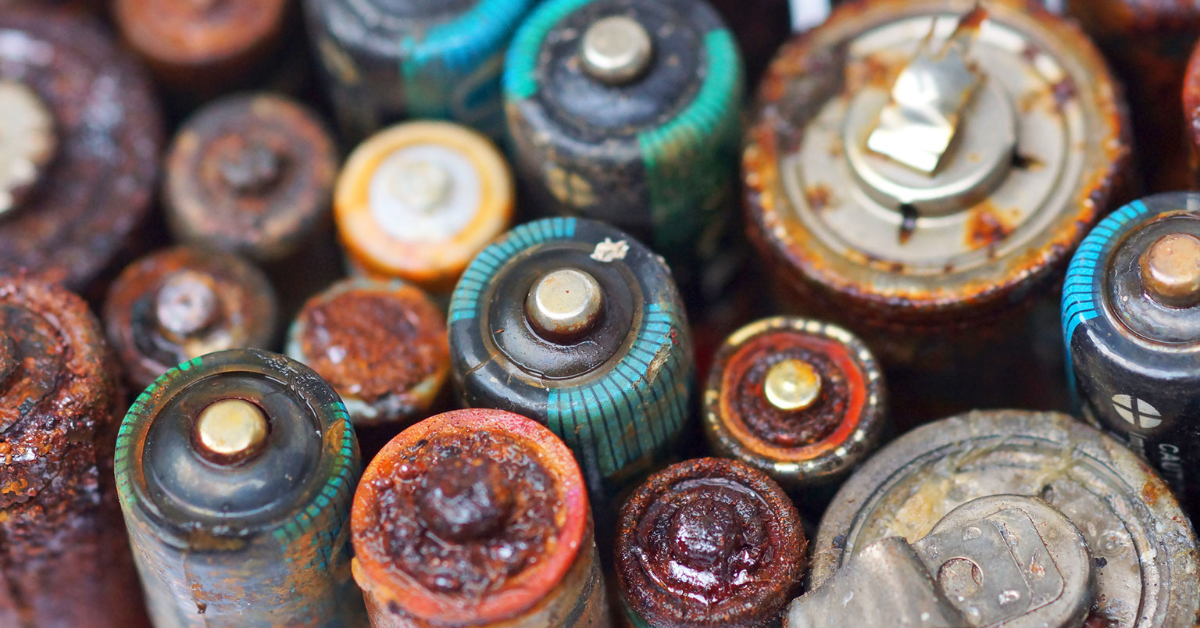
The term “universal waste batteries” refers to used batteries that contain hazardous materials, yet are commonly used and widely generated by households and businesses. Though an indispensable component that powers our lives, once used, universal waste batteries must be properly disposed of because they contain hazardous materials that can be toxic to humans and the environment. They may also pose fire and explosion risks if mishandled (especially lithium batteries).
Managing them as universal waste makes collection, recycling, and proper disposal easier and safer. A positive of universal waste battery usage that encourages proper disposal is that they can be recycled to recover valuable materials.
What Are Universal Waste Batteries?
Under environmental regulations, particularly the U.S. Environmental Protection Agency’s (EPA) Universal Waste Rule, certain types of batteries are classified as universal waste to facilitate their safe and efficient collection, recycling, and disposal. This classification includes commonly used batteries such as lithium-ion batteries used in phones, laptops, and tablets, nickel-cadmium (Ni-Cd) batteries used in cordless tools, small sealed lead-acid batteries for uninterruptible power supplies (UPS), medical equipment, toys, and fire and security systems, and silver oxide batteries found in small, portable electronic devices like watches, hearing aids, calculators, and medical devices are all types of universal waste batteries. Whether used or unused, these types of batteries become a waste on the day they are discarded and are subject to proper disposal. Due to their potential environmental and health risks, they must be properly labeled, stored, and sent for recycling or disposal through approved facilities.
Why Are Batteries Regulated as Universal Waste?
Batteries are regulated as universal waste primarily due to their hazardous characteristics, particularly their potential to leach toxic metals into the environment if improperly disposed of. Many of these batteries contain hazardous substances, such as lead, cadmium, mercury, and lithium, which can leach into the soil and groundwater when disposed of in landfills or incinerated. Leaching can contaminate water sources, harm ecosystems, and pose health risks to humans and wildlife. The risk is real. According to the EPA, Americans dispose of approximately 180,000 tons of batteries annually, encompassing both rechargeable and single-use types. That figure includes around 14,000 tons of rechargeable batteries alone. This risk is one of the main reasons why batteries are regulated as universal waste—so they can be collected, handled, and recycled in a way that prevents toxic materials from entering the environment.
Importance of Proper Storage
Universal waste batteries should be stored properly to prevent environmental contamination, fire hazards, and health risks. Improper storage can lead to leakage of toxic materials like lead, cadmium, and lithium into the soil and water, posing long-term damage to ecosystems and human health. Additionally, batteries—especially lithium-based ones—can overheat, short-circuit, or ignite if stored improperly, leading to fires or explosions. Physical damage, exposure to moisture, or mixing incompatible battery types can increase these risks. Proper storage ensures safety, regulatory compliance, and facilitates efficient recycling, reducing the likelihood of accidents and environmental harm.
Proper Handling of Universal Waste Batteries: Safe Collection and Sorting Practices
Safe collection and sorting practices for batteries are essential to prevent environmental contamination, fires, and health hazards. Batteries should be collected in clearly labeled, leak-proof, and structurally sound containers that are kept closed when not in use. Different types of batteries—such as lithium-ion, nickel-cadmium, and lead-acid—should be sorted and stored separately to avoid chemical reactions, and terminals should be taped or batteries individually bagged to prevent short-circuiting. Collection areas should be well-ventilated and away from heat sources, with spill kits and fire extinguishers readily available. Proper training for personnel handling the batteries is also critical to ensure compliance with environmental regulations and to maintain a safe collection environment.
Importance of Clear Labeling and Documentation
Clear labeling and documentation for universal waste batteries are necessary to ensure **safe handling, regulatory compliance, and efficient recycling or disposal. Labels like “Universal Waste – Batteries” alert workers, transporters, and waste handlers to the presence of potentially hazardous materials, reducing the risk of accidents such as spills, fires, or improper mixing of battery types. Documentation, including accumulation start dates and tracking records, is required by environmental regulations to monitor storage time limits (typically one year), ensure proper disposal, and maintain accountability throughout the waste management process. Together, labeling and documentation help protect human health and the environment while supporting regulatory enforcement and best practices.
Proper Battery Disposal and Recycling Methods
Universal waste batteries are disposed of and recycled through specialized processes designed to recover valuable materials and prevent environmental harm. The first step typically involves sorting batteries by chemistry—such as lithium-ion, nickel-cadmium, or lead-acid—since each type requires a different recycling method. Lead-acid batteries are often dismantled to recover lead and plastic, while lithium-ion batteries undergo mechanical separation and thermal or chemical treatment to extract metals like lithium, cobalt, and nickel. Nickel-cadmium batteries are processed to recover cadmium and nickel for reuse. These recycling methods reduce the need for raw material extraction, minimize hazardous waste, and help prevent toxic substances from leaching into the environment. Proper disposal through certified recyclers ensures compliance with environmental regulations and promotes sustainable resource use.
Contact the Universal Waste Experts at Maine Labpack
Maine Labpack offers professional hazardous waste manifestation and lab pack services for the proper disposal and recycling of all types of universal waste, including batteries. For more information about our universal waste disposal and recycling programs, contact us today.