
Last updated on December 8th, 2025 at 07:16 pm
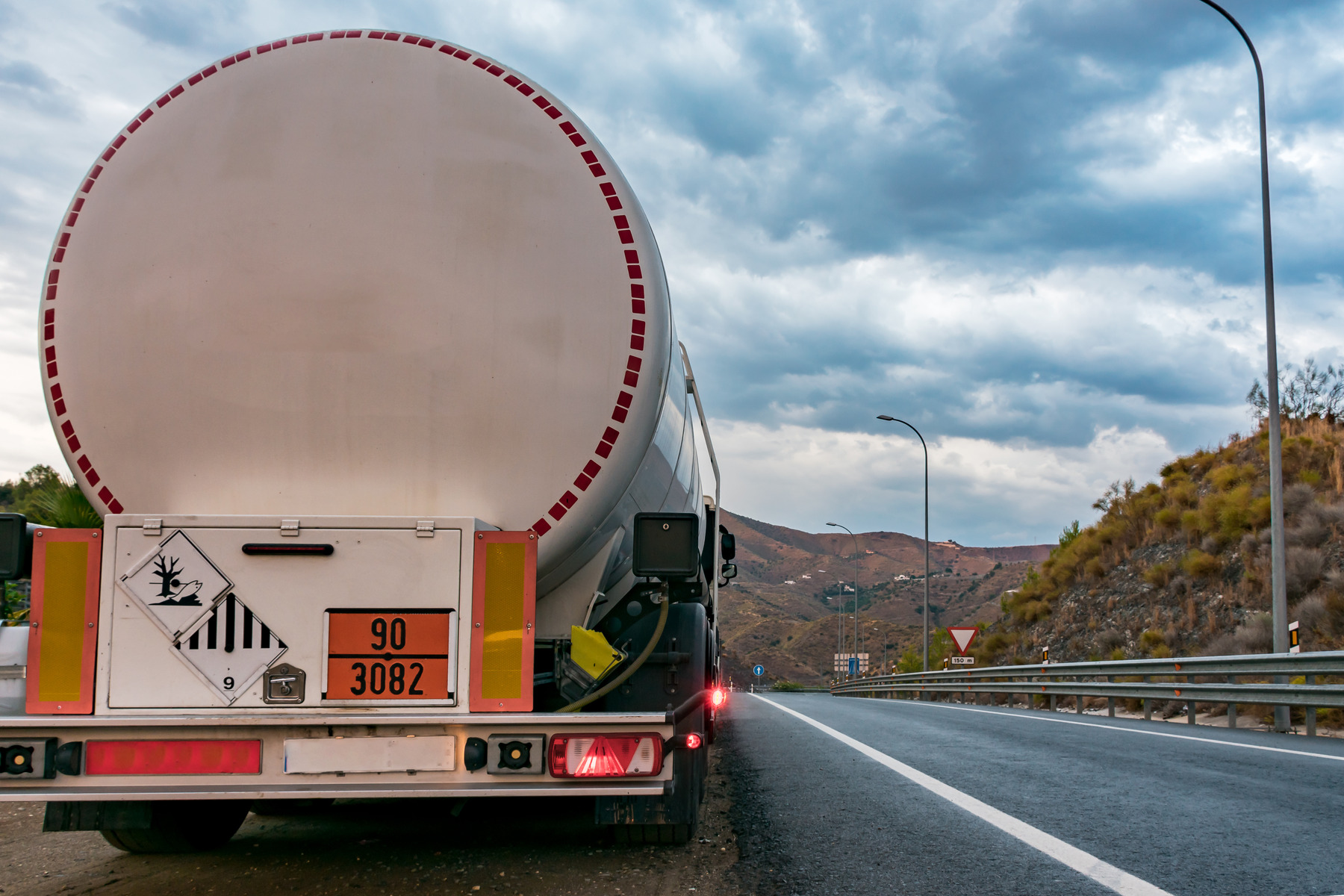
Though the terms often are used interchangeably, there is a difference between hazmat and dangerous goods, especially as it pertains to shipping chemicals like hazardous materials.
In particular, the classifications are relevant when it comes to shipping chemicals because of the inherent toxic, flammable, corrosive, or reactive properties that chemicals consist of. If not handled properly, the risks of fires, explosions, spills, and health hazards pose a very real danger. Improper packaging, labeling, or transport can lead to environmental contamination, regulatory violations, and serious accidents that endanger people and property.
This is why, in large part, that chemical shipping and transport are subject to strict international, federal, and local laws. Regulations and guidelines established by the International Air Transport Association (IATA) for air transport, the U.S. Department of Transportation (DOT) for domestic transport, the International Maritime Dangerous Goods (IMDG) Code for sea transport, and other agencies are in place to ensure proper classification, labeling, packaging, documentation, and handling procedures to mitigate risks. Compliance with these standards not only helps prevent environmental hazards, dangers, contamination, and serious accidents that endanger people and property, but any legal penalties and regulatory violations.
Understanding the Difference Between Dangerous Goods and Hazardous Materials
Any material or substance that has been identified by a regulatory body or agency as posing an unreasonable risk to health, safety, or property when transported in commerce is considered a hazardous material or dangerous good. That said, dangerous goods specifically refers to substances and materials posing risks during transportation. Hazardous materials, or simply hazmat, is a broader term that encompasses any substance or material that can cause harm to the health and safety of people, as well as property, or the environment, regardless of whether the materials are being transported or used in a specific location.
What Is Considered a Dangerous Good?
As mentioned, “dangerous goods” specifically refers to materials posing risks during transportation, which can include liquids, gases, solids, or other substances that may cause accidents, injuries, or fatalities during shipping and handling. This category includes items such as flammable liquids, corrosive chemicals, and explosive materials, which are subject to strict regulations and guidelines to ensure safe transportation and minimize potential hazards.
What Is Considered Hazmat?
On the other hand, “hazmat,” or “hazardous materials,” encompass any substance that poses a risk to health, safety, property, or the environment due to its chemical, physical, or biological properties. These risks are present regardless of whether they are being transported or used in a specific location. In other words, this broader category includes not only hazardous goods but also substances that may pose risks during storage, use, transport, or disposal, such as toxic chemicals, radioactive materials, and biological agents. Hazardous materials can be found in various forms, including solids, liquids, gases, and even microorganisms, and can have both acute and chronic effects on human health and the environment.
Distinctions Between Regulatory Bodies
It’s worth noting that the classification of dangerous goods and hazardous materials can vary depending on the context and jurisdiction. For example, the IATA, a global trade association that represents airlines and develops industry policies to ensure the safe, secure, and efficient air transport of goods and passengers, regulates the international shipment of hazardous materials by air through its Dangerous Goods Regulations (DGR). IATA’s rules are among the strictest because air transport poses a high risk of fire, pressure changes, and potential hazards from chemical interactions. Following specific requirements ensure that chemicals remain stable under the conditions of air travel.
For domestic shipping of dangerous goods, the DOT enforces regulations under the Hazardous Materials Regulations (HMR) in Title 49 of the Code of Federal Regulations (49 CFR). These rules apply to chemical shipments by road, rail, air, and water within the U.S., covering classification, documentation, packaging, and emergency response requirements. Though the DOT’s regulations align with IATA regulations, they also include specific domestic transportation rules, such as Hazardous Materials Table (HMT) classifications, placarding, and security planning for high-risk materials. DOT regulations ensure the safe movement of hazardous chemicals across various transportation modes while maintaining compliance with international standards when necessary.
The IMDG Code, developed by the International Maritime Organization (IMO), governs the transport of hazardous chemicals by sea. The IMDG Code is designed to prevent chemical spills, fires, and environmental contamination in maritime transport. It mandates proper classification, packaging, stowage, and segregation of chemicals to prevent dangerous reactions between incompatible substances. While the IMDG Code is globally recognized, individual countries may impose additional national regulations for chemical shipments within their jurisdictions.
Tips to Ensure Compliance
- To remain compliant when shipping chemicals, organizations must always classify and label them according to hazardous materials regulations by the applicable international, federal or local regulatory body.
- Use approved packaging, secure containers to prevent leaks or spills, and ensure that shipping documents, Safety Data Sheets (SDS), and emergency response information are accurate and included.
- Train all personnel in hazard communication, proper handling, and emergency procedures, and follow segregation rules for incompatible substances.
- Stay updated on federal, state, and international regulations, conduct regular compliance audits, and use certified carriers to avoid violations, fines, or safety hazards.
Contact Maine Labpack
Whether shipping cross country or across the globe, Maine Labpack offers full-service dangerous goods transportation options for your organization. Our trained and certified personnel will arrive at your lab or facility to properly package, label, and prepare documentation to facilitate the safe and secure transportation of your dangerous goods and to ensure compliance with all local, federal, and international shipping regulations. To make sure your chemicals are handled with the utmost care and transported with the highest level of efficiency, contact us at Maine Labpack today to learn more!