
Last updated on December 18th, 2025 at 02:32 pm
Improper disposal of medications doesn’t just harm the environment—it puts public health at risk. From opioids to expired antibiotics, pharmaceutical waste requires strict controls to prevent pollution, misuse, and regulatory violations.
In this guide, we’ll walk through secure pharmaceutical waste management practices, explain key disposal methods, and show how healthcare facilities can stay compliant while protecting their communities.
What Qualifies as Pharmaceutical Waste?
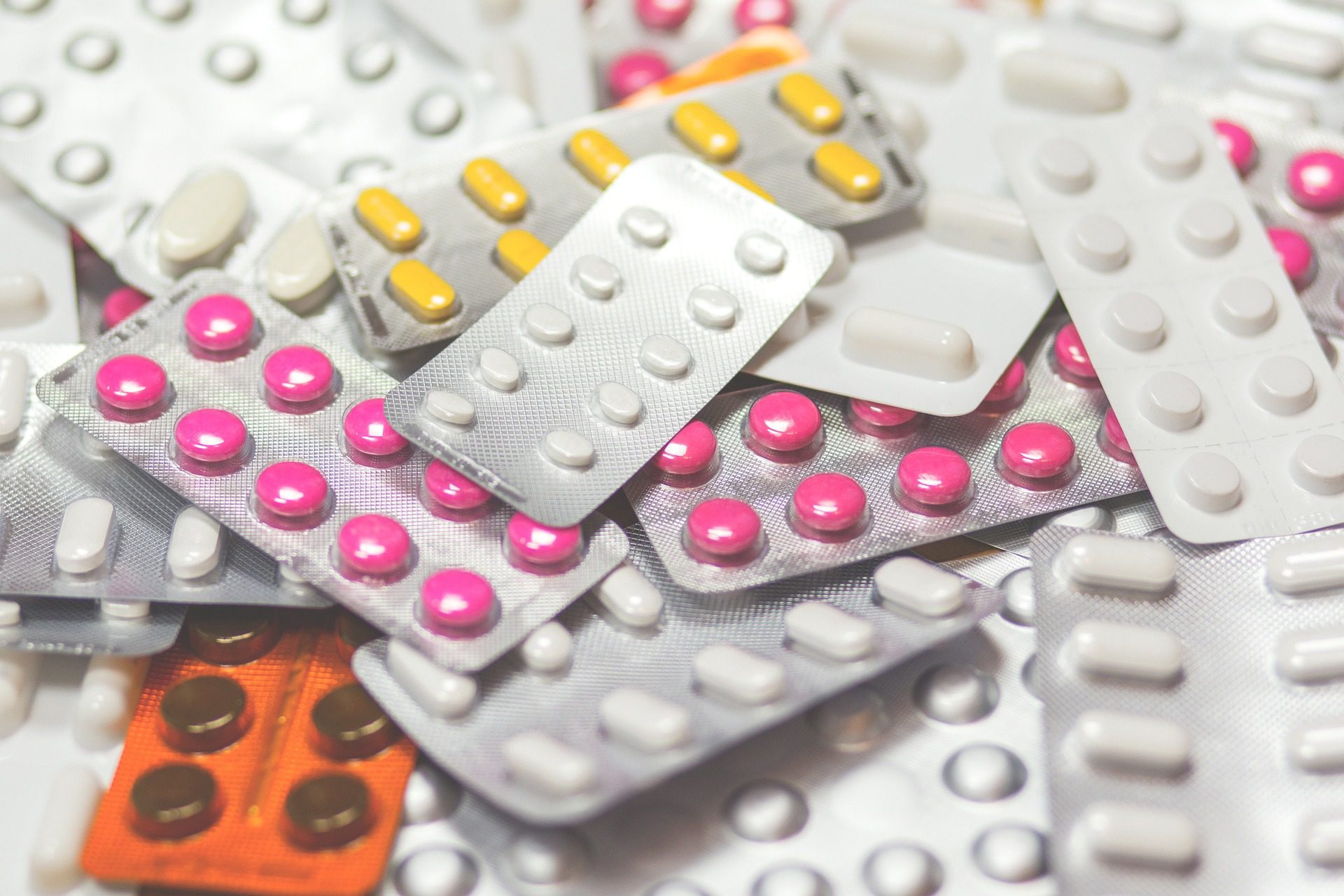
Pharmaceutical waste includes prescription and over-the-counter drugs that can no longer be used due to expiration, contamination, or excess stock. This category includes:
- Expired or unused medications
- Partially used vials or IV bags
- Controlled substances
- Chemotherapy drugs
- Compounded pharmaceuticals
Once a drug leaves its intended use cycle, you can’t toss it in the trash or flush it down the drain. Doing so violates federal and state regulations—and risks exposure to people, wildlife, and drinking water supplies.
Why Secure Destruction Matters
Improperly discarded medications can leach into groundwater, enter wastewater treatment systems, or fall into the wrong hands. Secure destruction prevents:
- Drug diversion and misuse
- Environmental contamination
- Legal penalties and fines
- Harm to healthcare staff, patients, and the public
Secure destruction isn’t just recommended—it’s required by the DEA, EPA, and state agencies. Facilities must follow specific protocols to ensure pharmaceuticals are rendered non-retrievable.
Best Practices for Pharmaceutical Waste Management
Follow these steps to keep your pharmaceutical waste disposal secure, efficient, and compliant:
Separate Hazardous and Non-Hazardous Waste
Review product labels and safety data sheets to classify each item. Hazardous drugs must follow stricter handling and disposal rules.
Use Approved Destruction Methods
Depending on the classification, use incineration or chemical degradation. For DEA-controlled substances, work with a reverse distributor or use witnessed onsite destruction.
Label and Store Properly
Use clearly marked, leak-proof containers that meet DOT transport requirements. Keep waste in secure areas with restricted access.
Maintain Documentation
Keep records of all waste manifests, destruction logs, and shipping paperwork. This documentation supports compliance during audits or inspections.
Train Your Team
Make sure all staff understand your facility’s pharmaceutical waste protocols. Regular training helps reduce errors and ensures compliance.
Regulatory Requirements You Need to Know
Pharmaceutical waste disposal falls under multiple regulatory bodies:
- DEA oversees the destruction of controlled substances, requiring non-retrievable disposal and proper documentation.
- EPA regulates hazardous waste pharmaceuticals under the Pharmaceutical Rule (40 CFR Part 266 Subpart P).
- DOT governs transportation requirements for waste containers.
- State laws may add further handling or reporting obligations.
Maine Labpack stays on top of all these regulations so your team doesn’t have to.
Work With Maine Labpack for Safe Pharmaceutical Waste Management
When it comes to pharmaceutical waste management, cutting corners can lead to serious consequences. Maine Labpack helps healthcare, veterinary, and research facilities across Maine destroy pharmaceutical waste securely, legally, and responsibly. We offer container supply, secure transport, witnessed destruction, and full documentation—backed by decades of compliance expertise.
Contact us today to request a quote or schedule a consultation. Let’s keep your facility safe, compliant, and environmentally responsible.