
Last updated on December 8th, 2025 at 07:17 pm
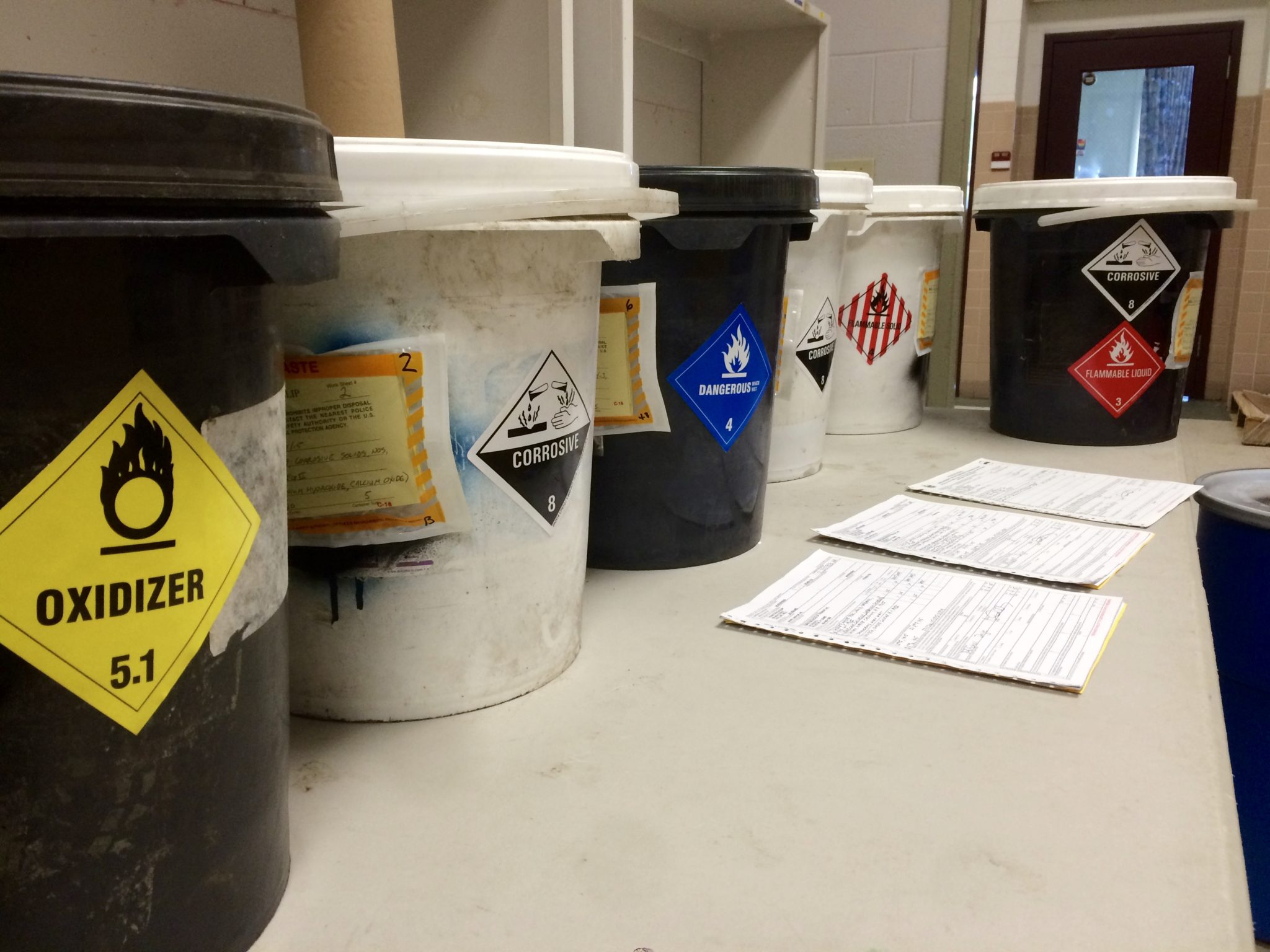
Shipping hazardous materials requires careful attention to safety, legal requirements, and proper documentation. The U.S. Department of Transportation (DOT) and international agencies categorize hazardous materials into Packing Groups (PGs) based on the level of danger. Correct classification is essential to prevent accidents, ensure regulatory compliance, and limit liability.
There are three packing groups:
- Packing Group I: High danger, requires the most robust packaging and handling precautions.
- Packing Group II: Medium danger, balanced between protection and transport feasibility.
- Packing Group III: Low danger, standard precautions are usually sufficient.
How Packing Groups Are Determined
Packing groups are assigned by evaluating a material’s hazard class, physical properties, and test results. Shippers must reference the Hazardous Materials Table (49 CFR 172.101) and other regulatory resources. The goal is to match the packaging and labeling to the potential risk posed during transportation.
How Packing Groups Are Assigned
Class 3 Flammable Liquids
| PG | Flash Point | Boiling Point |
|---|---|---|
| I | ≤ 95°F | |
| II | ≤ 73°F | > 95°F |
| III | ≥ 73°F but ≤ 141°F | > 95°F |
Class 4 Flammable Solids
Division 4.1 – Flammable Solids
| PG | Substance | Parameters |
|---|---|---|
| II | Readily combustible solids | Burning time must be less than 45 s and the flame passes the wetted zone |
| Powders of metal or metal alloys | If the zone of reaction spreads over the whole length of the sample in 5 min or less | |
| III | Readily combustible solids | Burning time must be less than 45 s and the wetted zone stops flame propagation for 4 min or more |
| Powders of metal | If the reaction spreads over the whole length of the sample in more than 5 min but less than 10 min |
Division 4.2 – Spontaneously Combustible
- PG I: Pyrophoric solids and liquids
- PG II: Self-heating materials with a positive test result when tested using a 25 mm cube sample at 284o F
- PG III: Self-heating materials with a positive test result when tested using a 100 mm cube sample at 2840 F
Division 4.3 – Dangerous When Wet
- PG I: Materials that react vigorously with water at ambient temperatures, produces a flammable gas at 10 L per Kg of material or more
- PG II: Materials that react readily with water at ambient temperatures, produces 20 L per Kg of flammable gas per kg of materials, but does not meet the requirements for PG I.
- PG III: Materials that react slowly with water at ambient temperature
Class 5 – Oxidizers
Division 5.1 – Oxidizing Substances
- PG I: A material that exceeds an average burning time less than a 3:2 part mixture of potassium bromate and cellulose
- PG II: A material that exceeds an average burning time less than a 2:3 part mixture of potassium bromate and cellulose
- PG III: A material that exceeds an average burning time less than a 3:7 part mixture of potassium bromate and cellulose
Class 6 – Toxic Substances
Each packing group is determined by using a measure of a lethal dose (LD50) in mg absorbed per kilograms of body weight.
| Packing Group | Oral Toxicity | Dermal Toxicity | Inhalation Toxicity |
|---|---|---|---|
| I | < 5 | < 50 | < 0.2 |
| II | > 5 and < 50 | > 50 and < 200 | > 0.2 and < 2 |
| III | > 50 and < 300 | > 200 and < 1,000 | > 2 and < 4 |
Class 8 – Corrosive Substances
- PG I: Materials that destroy full thickness of intact skin tissue within 60 minutes after an exposure that lasted less than 3 minutes.
- PG II: Materials that destroy full thickness of intact skin tissue within 14 days of exposure, lasting at least 3 minutes but less than 60 minutes.
- PG III: Materials that corrode steel or aluminum surfaces exceeding ¼ in per year.
Class 9 – Miscellaneous Dangerous Materials
Class 9 materials have packing groups that are typically listed in the hazardous materials table or should be determined by a hazardous materials specialist or expert.
Regulatory Updates to Know
- PHMSA/DOT 2023–2024 Final Rule: Updates classification criteria for corrosives and oxidizers to align with UN standards.
- OSHA Hazard Communication Standard (HCS) Updates: GHS-aligned labeling changes improve consistency and hazard communication.
- EPA Hazardous Waste Generator Improvements Rule: Reinforces accurate waste classification and documentation, including packing groups, to prevent violations and ensure safe disposal.
Ensure Safe & Compliant Hazmat Shipping
At Maine Labpack, we are equipped with personnel trained to assess chemicals to properly assign materials with hazmat packing groups. We know that chemicals are not always as straightforward as the guidelines listed above. If you need assistance shipping materials and are unsure how to appropriately assign packing groups, identification numbers, or reportable quantities, fill out our hazardous shipping request here!
FAQs About Packing Groups for Hazardous Materials
What is a packing group in hazmat shipping?
A packing group is a designation indicating the degree of danger of a hazardous material. PG I = high danger, PG II = medium danger, PG III = low danger.
Who assigns packing groups?
Shippers assign packing groups based on material tests, classification tables, and regulatory guidance in the Hazardous Materials Table (49 CFR 172.101).
Can the same hazard class have different packing groups?
Yes. For instance, flammable liquids with different flash points may fall into PG I, II, or III, even though they share the same hazard class.
What happens if I assign the wrong packing group?
Misclassification can result in fines, shipment rejection, environmental hazards, and legal liability.
How do recent regulations affect packing groups?
DOT/PHMSA updates refine classification criteria for corrosives and oxidizers, requiring more accurate testing, documentation, and packaging practices.