
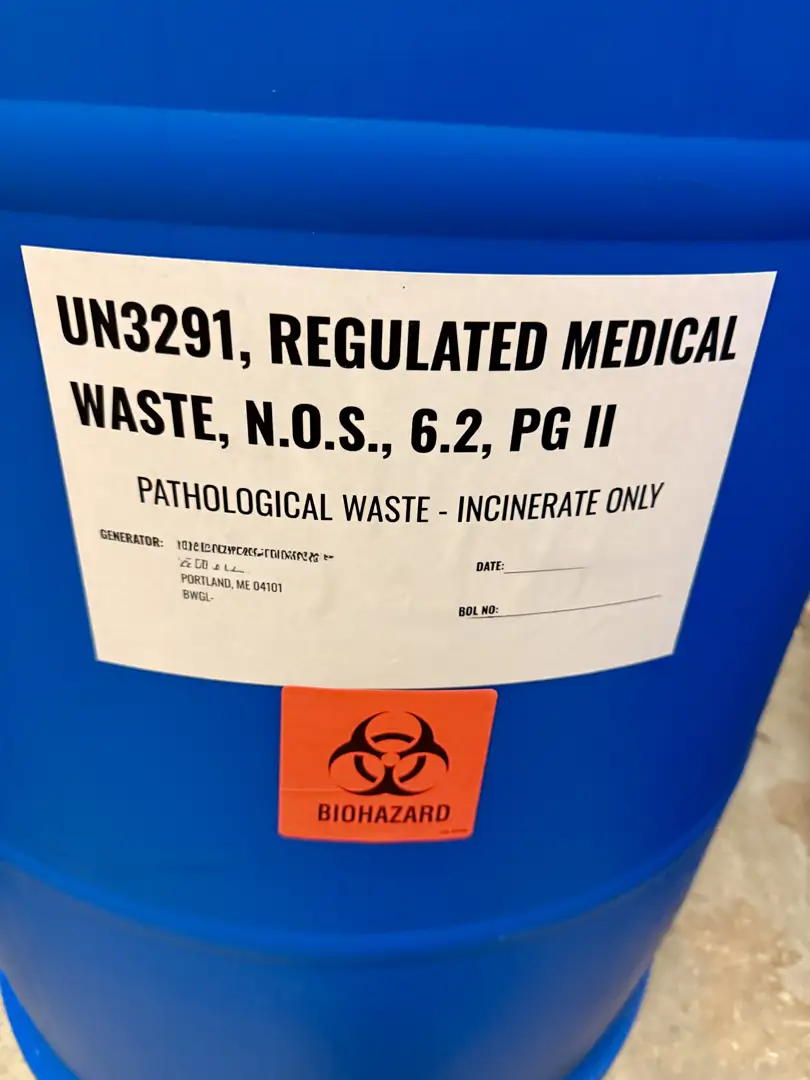
Medical waste removal is the process of safely collecting, transporting, treating, and disposing of waste generated by healthcare facilities — including sharps, biohazardous materials, pharmaceuticals, and chemotherapy waste.
Here’s a quick overview of what effective medical waste removal involves:
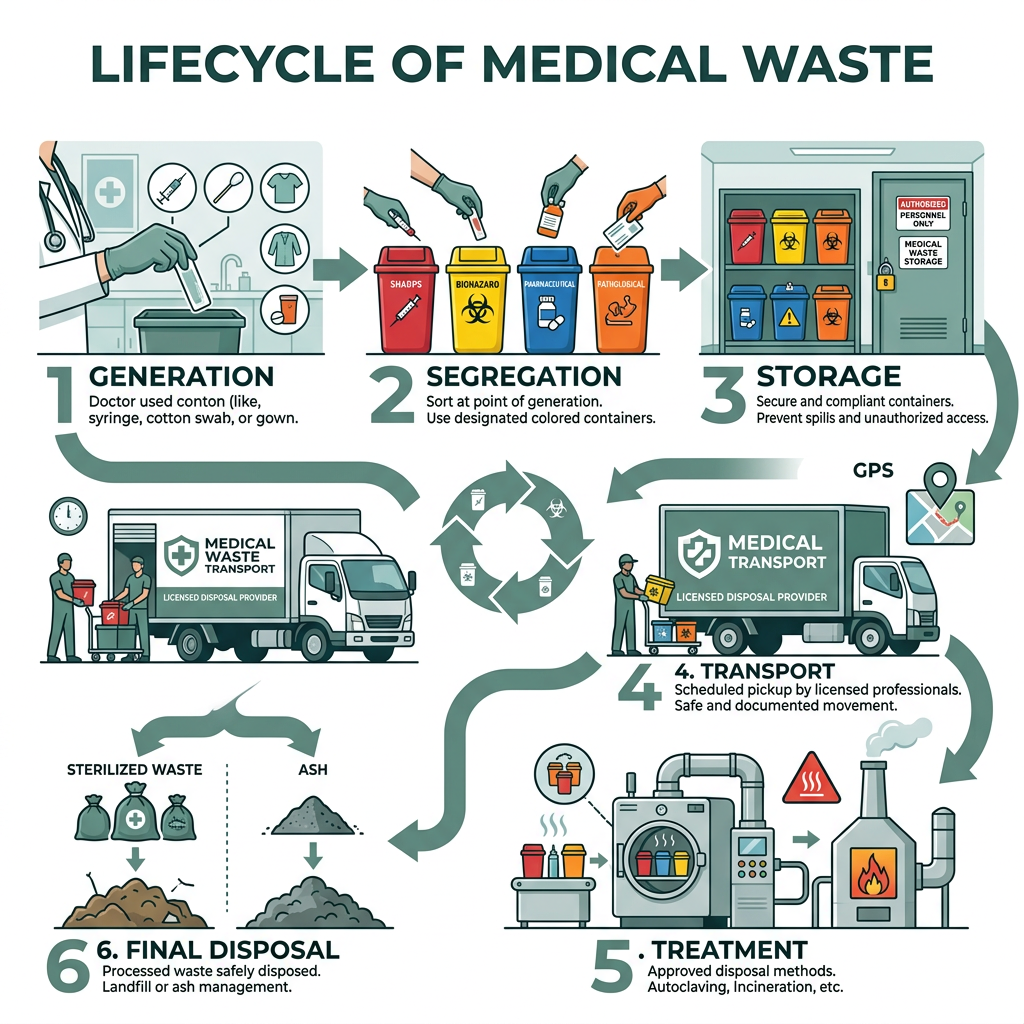
- Identify your waste streams (sharps, infectious, pharmaceutical, pathological, etc.)
- Segregate waste at the point of generation using color-coded, labeled containers
- Store waste securely in compliant, puncture-resistant or leakproof containers
- Schedule pickup with a licensed medical waste disposal provider
- Ensure cradle-to-grave documentation and regulatory compliance (OSHA, EPA, DOT)
- Treat waste through approved methods like autoclaving or incineration
If your facility generates any type of regulated medical waste, getting this process right isn’t optional — it’s a legal and ethical obligation.
Healthcare facilities handle a constant flow of potentially hazardous materials. Improper handling puts staff, patients, and the public at risk. It also exposes your organization to serious regulatory fines and liability.
The stakes are real. Bloodborne pathogens, contaminated sharps, and hazardous pharmaceuticals can cause harm long after they leave your facility — if they’re not managed correctly.
The good news is that with the right systems and a trusted disposal partner, compliance doesn’t have to be complicated or disruptive to your operations.
This guide walks you through everything you need to know — from identifying waste types to choosing the right provider — so your facility stays safe, compliant, and running smoothly.
Understanding the Types of Medical Waste Removal
Managing healthcare waste starts with knowing exactly what you are throwing away. Not all trash is created equal; in a clinical setting, mixing a candy wrapper with a blood-soaked gauze pad can turn a standard trash bag into a costly regulatory nightmare. There are 6 Types of Regulated Medical Waste that facilities must recognize to maintain safety.
Medical Waste generally encompasses any waste that is contaminated with potentially infectious material. This includes:
- Sharps: Items that can cause punctures or cuts, such as needles, scalpels, and broken glass.
- Biohazardous Waste: Materials saturated with blood or other potentially infectious materials (OPIM).
- Pathological Waste: Human tissues, organs, or body parts removed during surgery or autopsy.
- Pharmaceutical Waste: Expired, unused, or contaminated drugs, including Controlled DEA Waste.
- Trace Chemotherapy Waste: Items like gloves, gowns, and IV bags that have come into contact with cytotoxic agents.
Identifying Biohazardous and Infectious Materials
A common point of confusion for many staff members is: What’s the Difference Between Medical Waste and Biohazardous Waste? While the terms are often used interchangeably, biohazardous waste specifically refers to biological substances that pose a threat to the health of living organisms—primarily humans.
This includes laboratory cultures, isolation waste from patients with highly communicable diseases, and any item soaked in blood. If a bandage has a tiny drop of dried blood, it might be considered regular trash in some jurisdictions; however, if it is saturated or dripping, it must be treated as a biohazard to help prevent the transmission of bloodborne pathogens such as HIV or Hepatitis B.
Proper Segregation for Medical Waste Removal
The golden rule of medical waste removal is segregation at the point of generation. This means the person generating the waste is responsible for placing it in the correct container immediately. Following Biological Waste Disposal Guidelines ensures that different waste streams do not mix, which is vital because different types of waste require different treatment methods.
Color-coding is the industry standard:
- Red Bags/Bins: Biohazardous and infectious materials.
- Yellow Bins: Trace chemotherapy waste (often requires incineration).
- Black Bins: Hazardous pharmaceutical waste.
- Blue Bins: Non-hazardous pharmaceutical waste.
By separating these streams, facilities can significantly reduce the volume of regulated waste, which often leads to lower disposal costs and a smaller environmental footprint.
Navigating Compliance and Regulatory Standards
Compliance in medical waste removal is governed by an “alphabet soup” of agencies: OSHA, HIPAA, DOT, and the EPA. Each has a specific focus, but they all share a common goal: protecting people and the planet. Failing to meet these standards can lead to significant fines and damage to your facility’s reputation.
Federal Oversight and Safety Protocols
At the federal level, OSHA’s Bloodborne Pathogen Standard is the primary regulation protecting healthcare workers. It requires facilities to have a written exposure control plan and provide proper sharps disposal units.
Furthermore, the EPA and DOT mandate “cradle-to-grave” tracking. This means your facility is responsible for the waste from the moment it is created until it is fully treated and disposed of. You must maintain manifest documentation that proves the waste was picked up by a licensed hauler and treated at a permitted facility. Conducting Hazardous Waste Due Diligence in Healthcare is the best way to ensure your vendors are holding up their end of the legal bargain.
State-Specific Rules for Medical Waste Removal
While federal rules provide a baseline, state regulations are often more specific. In New England, states like Maine have their own Maine Biohazardous Waste Guidelines & Recommendations that dictate how long waste can be stored on-site before it must be removed.
In some regions, medical waste is officially termed “Potentially Infectious Medical Waste” (PIMW). These rules specify that PIMW must be transported by a licensed hauler to a facility specifically permitted to handle such materials. Whether you are in Portland, Maine, or Boston, Massachusetts, staying current on local licensing and regional requirements is essential for liability management.
Best Practices for Safe Handling and Storage
Safe storage is the bridge between waste generation and professional pickup. If waste is stored improperly, it creates a serious risk for janitorial staff and clinicians.
Following Guidelines for Storing Medical Waste helps prevent leaks and odors. Containers should be kept in a secure, climate-controlled area that is inaccessible to the public or unauthorized personnel.
Secure Containment Strategies
Your containers are your first line of defense. High-quality bins should feature locking lids to prevent spills if tipped and overfill protection to prevent staff from being tempted to force waste into a full container. Safe Disposal of Sharps in Hospitals: How a Waste Management Company Can Help often involves choosing between reusable and disposable containers.
| Feature | Reusable Containers | Disposable Containers |
|---|---|---|
| Safety | Often feature robotic washing/decontamination | One-time use, no risk of cross-contamination |
| Cost | Lower long-term costs; no need to buy new bins | Higher long-term costs; constant purchasing |
| Environment | Reduced plastic sent to landfills | Adds to the plastic waste stream |
| Durability | Heavy-duty, puncture-resistant plastic | Varies; usually thinner plastic or cardboard |
Minimizing Occupational Risks
Needlestick injuries are one of the most common and preventable risks in healthcare. Implementing Sharps Disposal Best Practices: Medical Waste Management can reduce injuries and help support a safer workplace. This includes placing sharps containers at eye level and within arm’s reach of the procedure area.
Staff should also be trained on safe handling protocols for contaminated items, including never recapping needles. Every facility should maintain an exposure control plan and a spill response protocol that include the use of appropriate Personal Protective Equipment (PPE), such as gloves, gowns, and face shields.
Modern Treatment Methods And Sustainability
Once the waste leaves your facility, the goal is to render it non-infectious and unrecognizable.
Eco-Friendly Disposal Solutions
Sustainability is becoming a major factor in medical waste removal. Many facilities are moving toward “no-landfill” initiatives. For example, some providers use ozone sterilization, which uses significantly less energy than traditional methods and produces no harmful emissions.
Another innovative approach is waste-to-fuel conversion, in which treated medical waste is processed into a cleaner-burning fuel. This not only destroys the waste but also contributes to a circular economy. For Pathological Waste: Safe and Compliant Disposal, incineration remains the gold standard to ensure total destruction, but even these facilities are now designed to meet much higher environmental standards than in the past.
Advanced Sterilization Technologies
For most red-bag waste, autoclaving is the most common method. This involves using high-pressure steam to kill all microorganisms. But What is the Procedure for Microbiological Waste Disposal? It often requires higher temperatures or longer cycles to ensure that even the most resilient spores are destroyed.
Newer systems use robotic decontamination for reusable containers, ensuring a touchless process that maximizes safety. By following Biological Waste Disposal Guidelines, facilities can ensure their waste is routed to the most efficient and eco-friendly treatment center.
Choosing The Right Disposal Partner
Selecting a partner for medical waste removal is about more than just finding the lowest price; it’s about finding a reliable extension of your own team. A missed pickup isn’t just an inconvenience—it’s a compliance risk.
Evaluating Provider Capabilities
When vetting a company, look for those that serve your specific region, whether you are in Manchester, New Hampshire, or Worcester, Massachusetts. A local provider often offers better service frequency and a deeper understanding of regional New England laws.
Essential features to look for include:
- On-site Pickup: Professionals who come into your facility and handle the heavy lifting.
- GPS Tracking: Real-time visibility into where your waste is during transport.
- Compliance Training: Access to online portals for OSHA and HIPAA training for your staff.
- Comprehensive Services: A “one-stop shop” that can handle Medical Waste, hazardous chemicals, and document destruction.
Cost-Saving Strategies For Facilities
You can manage your budget without sacrificing safety. Refer to the Pocket Guide: Cost of Medical Waste Disposal in Maine to understand standard rates.
To save money:
- Right-Size Your Service: Don’t pay for weekly pickups if your bins only get full once a month.
- Vendor Consolidation: Use one provider for all waste streams (medical, chemical, and shredding) to reduce administrative overhead.
- Flat-Rate Invoicing: Avoid “hidden fees” like fuel surcharges or documentation fees by choosing a provider with transparent, flat-rate pricing.
- Education: Train staff on How to Securely Destruct Pharmaceutical Waste and other streams to prevent expensive hazardous waste from being mixed with cheaper-to-dispose-of medical waste.
Frequently Asked Questions About Medical Waste
What is the difference between medical and biohazardous waste?
While often used interchangeably, “medical waste” is a broad umbrella term for all waste generated in a healthcare setting. “Biohazardous waste” specifically refers to waste contaminated with infectious agents (like blood or laboratory cultures) that pose a risk to public health or the environment.
How often should medical waste be picked up?
Pickup frequency depends on the volume of waste you generate and your state’s regulations. Some states require removal every 30 days regardless of volume, while high-volume hospitals may require daily pickups.
What are the penalties for improper medical waste handling?
Penalties can be severe. Regulatory bodies like OSHA and the EPA can levy fines ranging from a few thousand dollars to tens of thousands of dollars per day per violation. Additionally, facilities can face legal action if improper disposal leads to community infection or environmental damage.
Ready To Take Control Of Medical Waste Removal?
Mastering medical waste removal is a journey of continuous improvement. By accurately identifying your waste streams, implementing rigorous segregation, and staying ahead of New England’s regulatory requirements, you protect your staff and your community.
Environmental stewardship is no longer just a “nice-to-have”—it is a core component of modern healthcare. Choosing a partner like Maine Labpack ensures that your waste is handled with the highest level of professional care, from the moment it’s generated in Portland or Boston to its final, sustainable destruction.
Stay safe, stay compliant, and keep your facility running at its best by making “The Clean Sweep” a part of your daily operations.
Ready to streamline your facility’s waste management? Contact Maine Labpack today for a Healthcare Waste Disposal solution tailored to your New England location.