

Environmental waste management is about using resources efficiently and preventing materials from harming people, water, land, or air. The EPA’s waste indicators show that waste generation reflects consumption patterns and economic activity, which is why businesses need practical systems for every major waste stream:
- Solid waste, including municipal trash, construction debris, and industrial non-hazardous waste.
- Liquid waste, including sewage and industrial wastewater.
- Gaseous emissions, including methane from landfills and CO2 from industrial processes.
For many facilities, the highest-risk category is hazardous waste disposal. Hazardous waste is regulated under EPA hazardous waste rules because it may be ignitable, corrosive, reactive, or toxic.
The 7Rs And The Waste Hierarchy
The EPA’s non-hazardous materials and waste management hierarchy ranks strategies from most to least preferred: refuse, reduce, reuse, repair, repurpose, recycle, and recover. Together, these principles support a circular economy by designing out waste, keeping materials in use longer, and making polluters responsible for safe management costs.
Methods For Effective Waste Handling And Disposal
Effective environmental waste management starts with collection and segregation. When waste is separated at the source, recovery becomes easier, safer, and more cost-effective.
Collection And Recycling
Collection methods range from curbside pickup to specialized universal waste recycling for batteries, lamps, and mercury-containing equipment. Recycling preserves materials, while energy recovery reduces volume and produces electricity, heat, or fuel when recycling is not practical.
Biological Reprocessing
Organic waste can often be composted or processed through anaerobic digestion. Composting turns food scraps and yard waste into soil amendments, while anaerobic digestion creates biogas that can be used as renewable energy.
Thermal Treatment And Landfills
When materials cannot be reused or recycled, treatment options move lower on the hierarchy. Waste treatment may include incineration, which can sharply reduce volume and support waste-to-energy production. Sanitary landfills remain the final option, but modern facilities use liners, leachate collection, and methane capture systems to reduce groundwater and climate risks.
Advanced Techniques In Environmental Waste Management
Specialized industries often need more than standard disposal. A chemical lab pack service identifies, categorizes, and packages small quantities of chemicals into larger drum waste containers for safe transport. Larger facilities may also need bulk waste service, while solvent recovery can help turn certain solvent testing waste streams back into usable resources.
Navigating Challenges And Regulatory Compliance
Environmental waste management is not just a sustainability practice; it is a legal requirement designed to prevent contamination, worker exposure, and public health risks.
Health And Environmental Risks
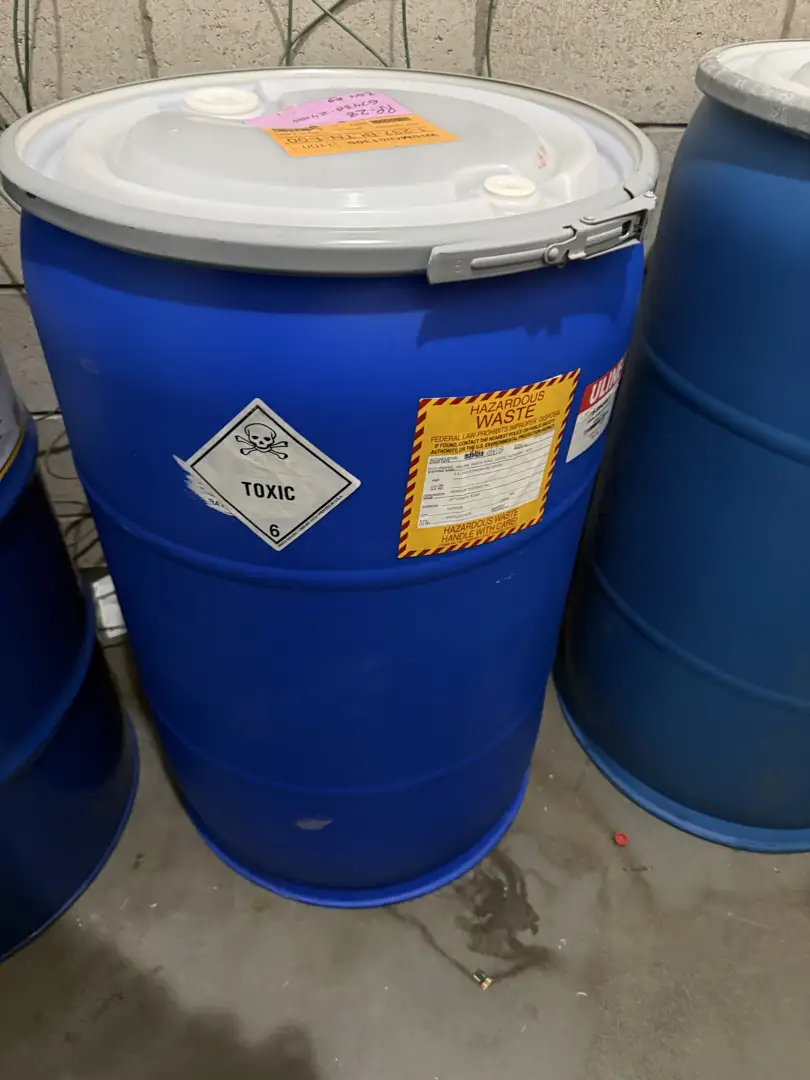
Poor waste handling can cause respiratory issues, skin exposure, long-term toxicity, groundwater contamination, and methane emissions from decomposing organic material. These risks make proper segregation, labeling, storage, and disposal essential.
The Regulatory Framework
In the U.S., the EPA’s land, waste, and cleanup programs oversee the Resource Conservation and Recovery Act (RCRA), which tracks hazardous waste from generation through final disposal.
Businesses must also account for OSHA worker-safety standards, state-specific rules, and specialized waste streams. For example, e-waste and mercury devices need protocols that prevent heavy metal exposure. Healthcare facilities also need compliant healthcare waste disposal for medical waste and pharmaceuticals.
Future Trends And Technological Advancements
The waste industry is shifting from disposal-first operations to data-driven sustainable materials management.
Smart Waste And Automation
AI-powered sorters can identify plastics, metals, and paper faster than manual sorting. Smart bin sensors help collection fleets optimize routes, and captured landfill gas is increasingly converted into low-carbon fuel.
The Evolution Of Environmental Waste Management Technology
Hazardous waste tracking is also becoming more digital. EPA’s e-Manifest system reduces paper records and improves shipment visibility. Emerging sectors, including cannabis waste management, create new compliance needs for microbiology waste and testing lab waste.
Frequently Asked Questions About Waste Disposal
What is the most preferred method in the waste hierarchy?
The most preferred method is source reduction, or waste prevention. Reducing packaging, using fewer materials, and designing durable products prevents waste before it is created.
How does waste management impact climate change?
Waste management affects the climate through methane from landfills, energy used in collection and processing, and emissions from disposal. Recycling and energy recovery can reduce reliance on virgin materials and fossil fuels.
What are universal wastes and how are they recycled?
Universal wastes are common hazardous materials such as batteries, light bulbs, and mercury-containing equipment. Specialized services collect them, remove toxic components, and recycle usable glass, plastic, and metal.
Simplify Environmental Waste Compliance With Maine Labpack
Environmental waste management can feel like a full-time job for businesses across Maine and New England. Maine Labpack helps companies in Maine, New Hampshire, Massachusetts, Vermont, and Rhode Island manage chemical and hazardous materials disposal safely, sustainably, and on time.
Whether you need a one-time cleanout or recurring support, Maine Labpack comes to your site to handle identification, packaging, transport, and compliance with RCRA and OSHA standards.
Ready to improve your waste strategy? Request a quote, contact Maine Labpack, or explore professional chemical lab pack services.