Improper disposal of medications doesn’t just harm the environment—it puts public health at risk. From opioids to expired antibiotics, pharmaceutical waste requires strict controls to prevent pollution, misuse, and regulatory violations.
If you manage a healthcare facility, dental practice, veterinary clinic, or lab, you’ve likely asked: what’s the real cost of medical waste disposal in Maine? While the answer varies depending on several factors, understanding what drives the cost—an…
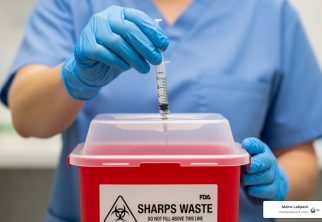
Whether you run a healthcare facility, dental office, veterinary clinic, or research lab, one thing is certain: proper sharps waste disposal is non-negotiable.
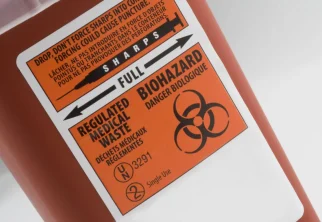
Regulated medical waste is a term applied to any category of biomedical waste contaminated by blood or bodily fluids, or any type of healthcare waste that contains any infectious or potentially infectious materials derived from a person or an animal.
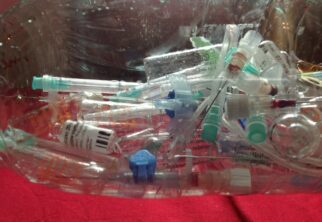
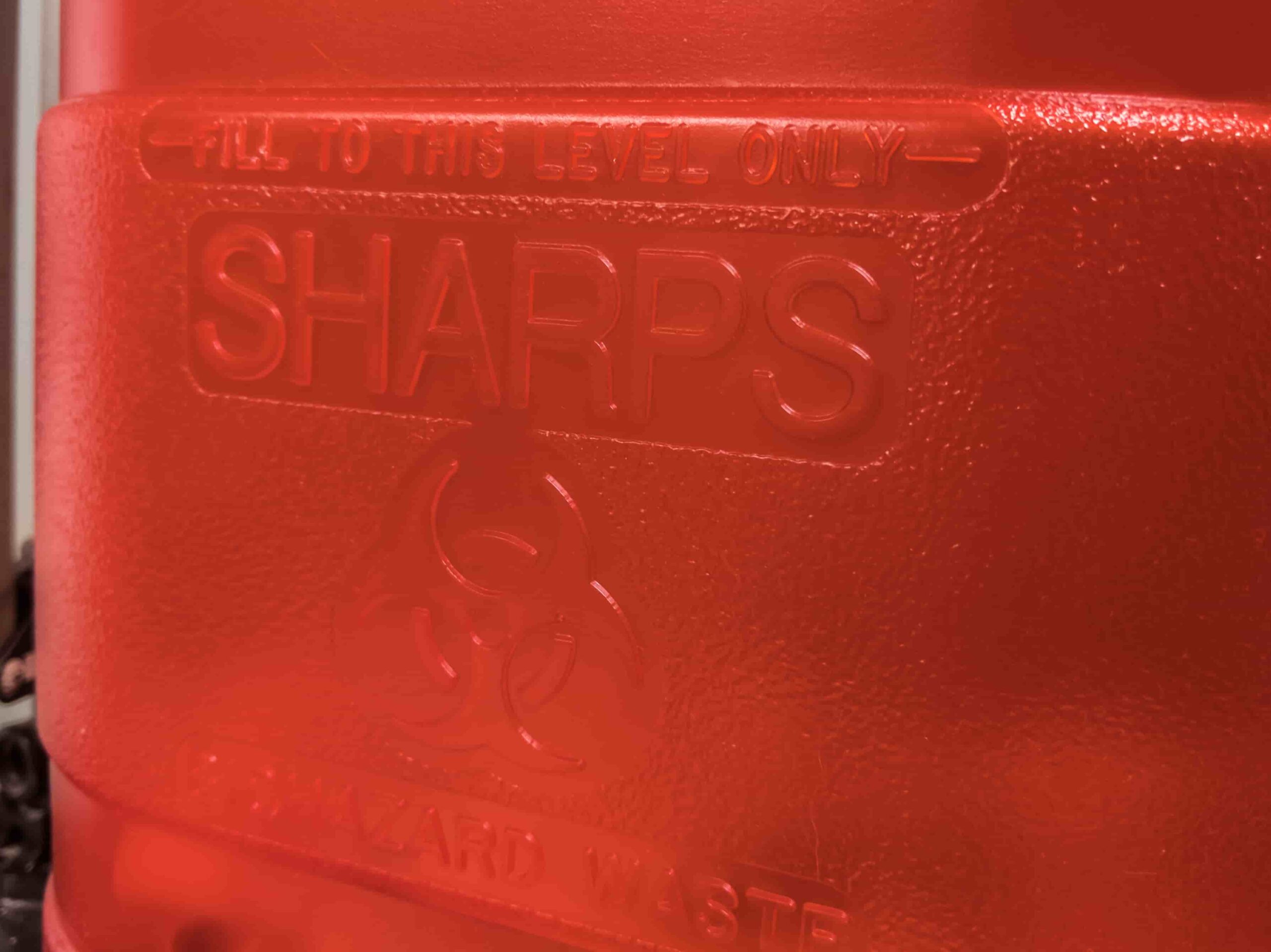
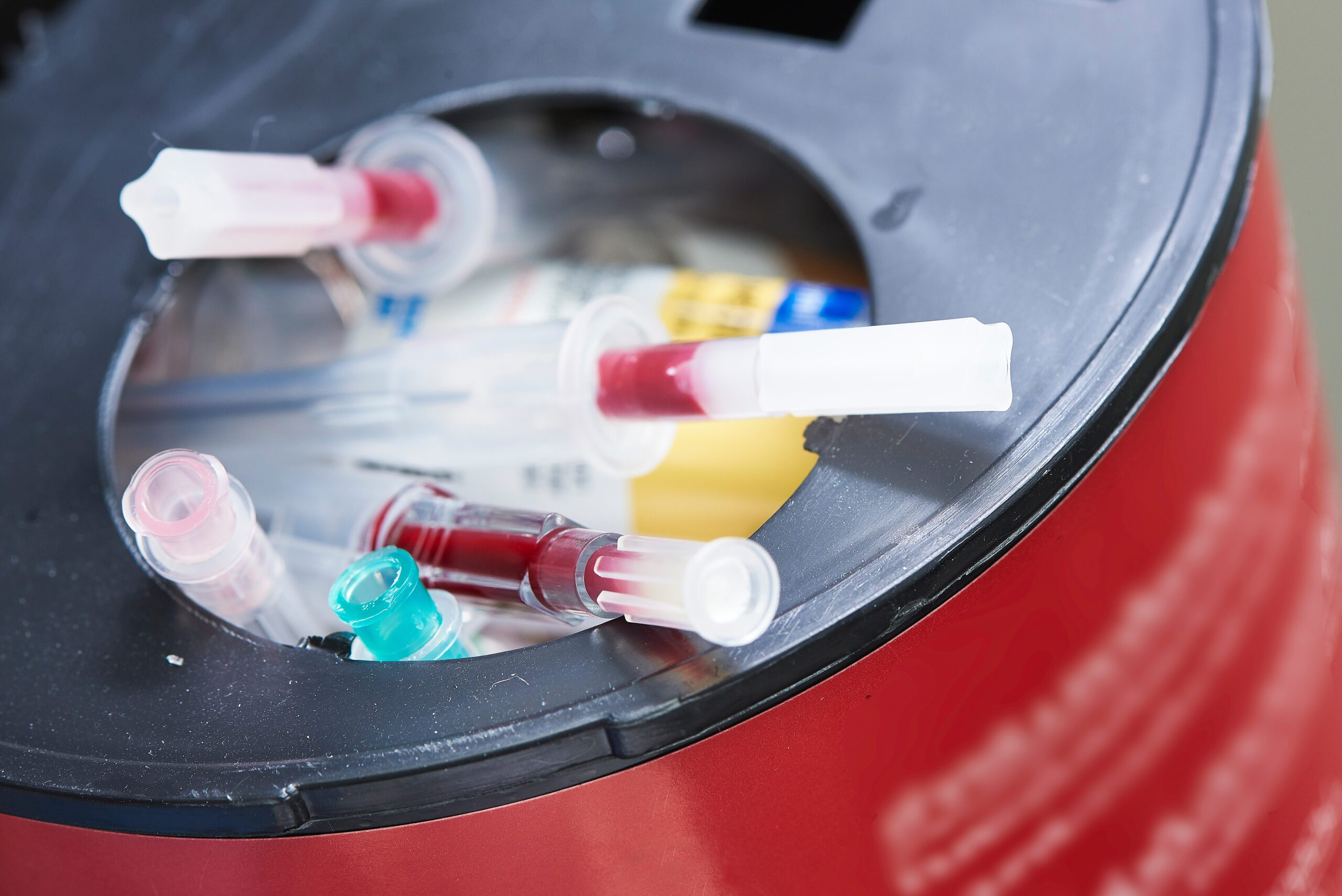
Safe disposal of sharps in hospitals prevents the risk for accidental and painful jabs or lacerations from used needles or blades that could lead to infection, tetanus and transmission of diseases.
What is the difference between medical waste and biohazardous waste? These terms are often used interchangeably and, in truth, are related types of waste generated at and by healthcare facilities.
As a medical waste, sharps disposal regulations by state can vary considerably. Though federal agencies issue guidelines, protocols, and mandates for the safe disposal of sharps, every state has its disposal guidelines or requirements for safely handling, …

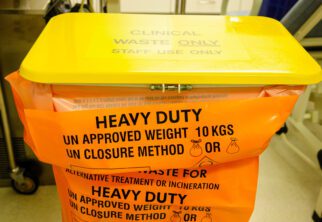
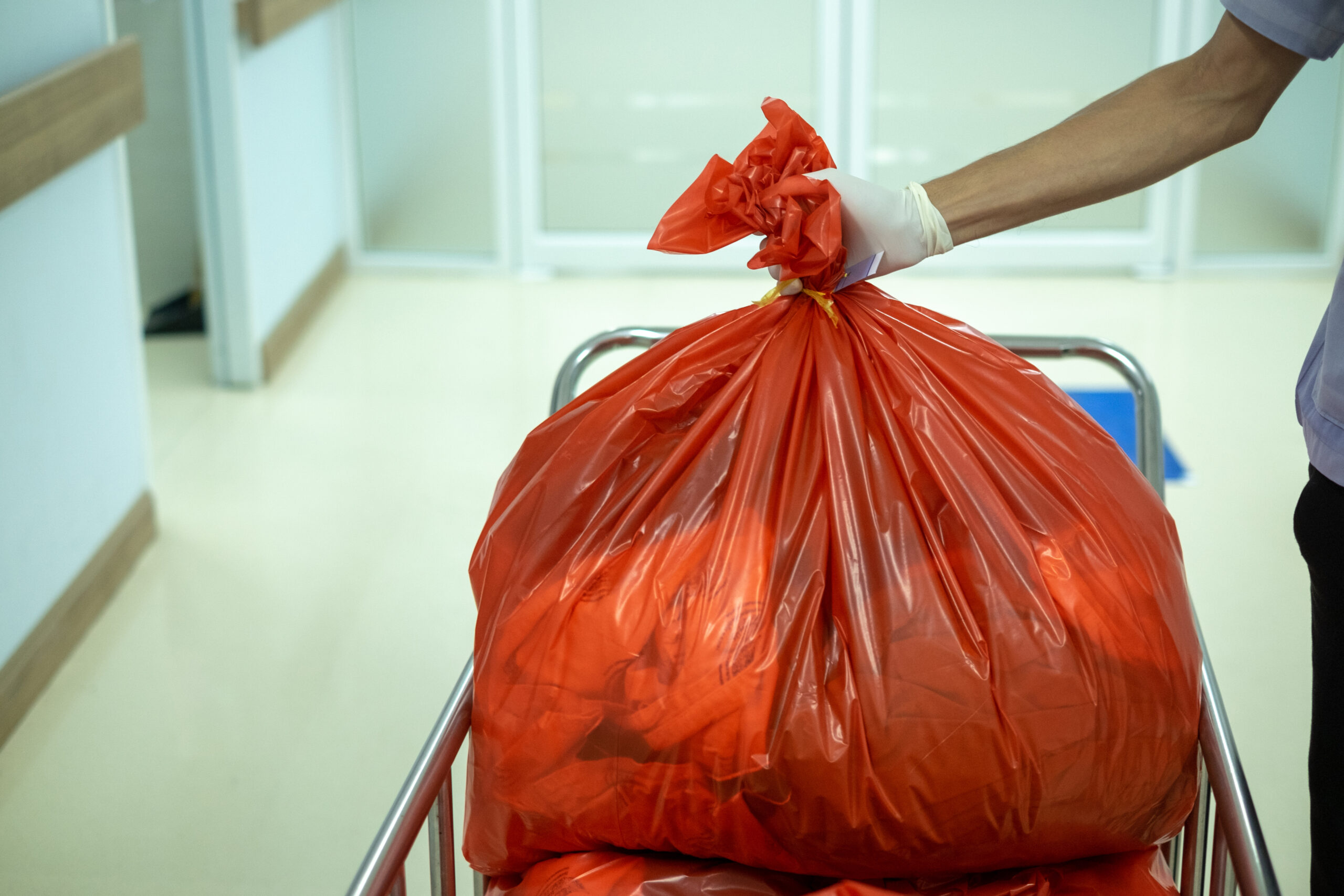
Medical waste, often called biohazardous waste, biomedical waste, infectious waste, red bag waste, etc., is infectious or potentially infectious to humans or animals.
In addition to historical environmental due diligence objectives in healthcare, robust state and federal regulations have added a new layer of responsibility to healthcare providers.