
Last updated on March 4th, 2026 at 08:56 pm
Whether you run a healthcare facility, dental office, veterinary clinic, or research lab, one thing is certain: proper sharps waste disposal is non-negotiable. Needles, scalpels, and other sharp medical instruments pose significant health risks if not managed correctly.
This guide outlines how to handle sharps waste safely, meet regulatory requirements, and protect both public health and the environment.
What Is Sharps Waste?
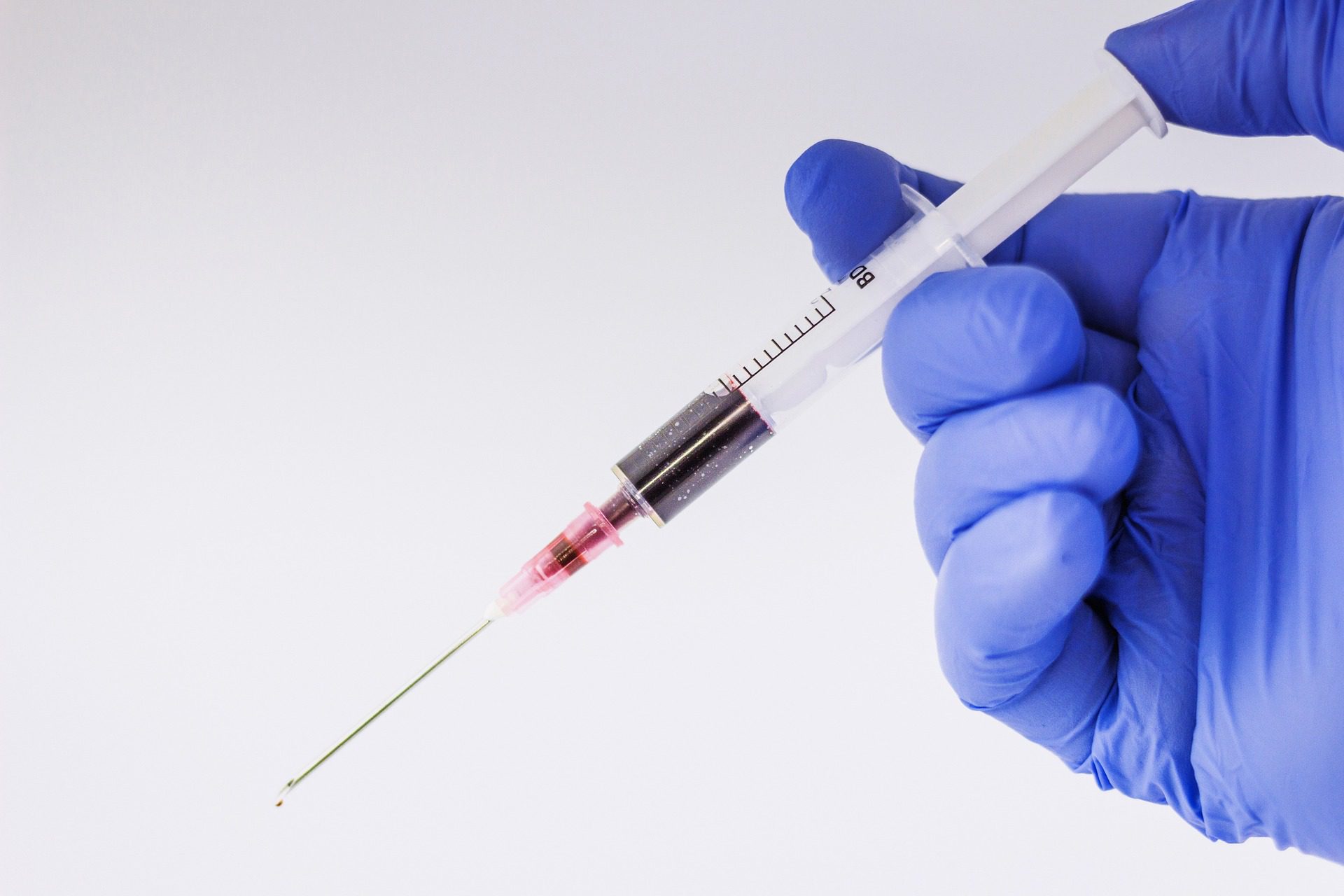
Sharps waste includes any item capable of puncturing or cutting the skin and that may be contaminated with blood or other bodily fluids. Common examples include:
- Hypodermic needles
- Syringes with or without needles
- Lancets and blood-testing supplies
- Scalpels and surgical blades
- Broken glass from laboratory settings
- IV tubing with needles
Improper disposal of these items can result in accidental needle sticks, the spread of infectious diseases, and serious legal consequences.
Why Sharps Waste Disposal Requires Special Care
Unlike general medical waste, sharps can cause direct injury. Improper handling may expose waste handlers, janitorial staff, or the general public to biohazardous materials. This is why federal and state agencies—including OSHA, the CDC, and the EPA—have strict guidelines for managing sharps waste.
How to Safely Dispose of Sharps Waste
Follow these best practices to ensure safe and compliant sharps disposal in your facility:
- Use FDA-Cleared Sharps Containers – Always place used sharps in puncture-resistant, labeled, leak-proof containers. These should be red or clearly marked with the biohazard symbol.
- Do Not Overfill Containers – Replace sharps containers when they are three-quarters full to prevent accidental needle sticks.
- Place Containers at Point of Use – Install containers near areas where sharps are frequently used—exam rooms, nurse stations, labs—to minimize handling.
- Train Your Team – Ensure that all staff who use or handle sharps understand proper disposal techniques and PPE protocols.
- Work With a Licensed Disposal Provider – Partnering with a certified medical waste handler ensures you stay in compliance and reduces liability.
Regulatory Requirements to Know
Sharps waste disposal is regulated at multiple levels:
- OSHA requires proper handling to protect employee safety in healthcare and lab settings.
- EPA classifies some sharps waste as hazardous, depending on contamination and content.
- DOT oversees the transport of medical waste, including sharps, off-site.
- State regulations may add further requirements, including labeling, storage, and disposal frequency.
Maine Labpack helps you navigate all of these to reduce risk and ensure full compliance.
Environmental and Public Health Risks
Improper sharps disposal isn’t just a facility issue—it can impact entire communities. When sharps are thrown in the trash, flushed, or left unsecured, they can end up in landfills, waterways, or public spaces. This puts sanitation workers, children, pets, and wildlife at risk.
Responsible disposal protects your staff, your patients, and your broader community.
Make Maine Labpack Your Sharps Disposal Partner
When it comes to sharps waste disposal, the stakes are high—but managing it doesn’t have to be stressful. Maine Labpack offers dependable, fully compliant sharps collection and disposal services tailored to healthcare, research, and veterinary environments across Maine. We handle pickup, transport, documentation, and regulatory compliance—so you don’t have to.
Contact us today to request a quote or schedule a consultation. Let’s build a safer, cleaner workplace together.