
Last updated on December 8th, 2025 at 07:29 pm
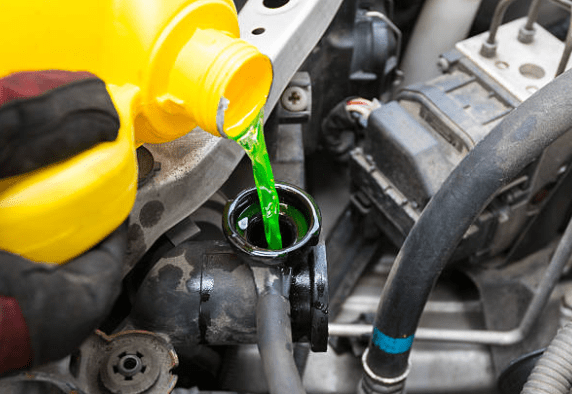
Antifreeze, commonly known as coolant, is a liquid used in automotive and industrial applications to regulate engine temperatures. The primary component in most antifreeze formulations is ethylene glycol, a substance that poses significant health risks if ingested or improperly disposed of.
Key Characteristics of Antifreeze Waste
Toxicity: Ethylene glycol is highly toxic and can lead to severe health issues, including kidney failure and death, if consumed.
Environmental Hazard: Improper disposal can lead to soil and water contamination, adversely affecting ecosystems.
Regulatory Status: While antifreeze is not classified as hazardous waste under federal law, certain characteristics may render it hazardous under specific conditions.
Regulatory Framework for Antifreeze Disposal
Federal Regulations
Under the Resource Conservation and Recovery Act (RCRA), the U.S. Environmental Protection Agency (EPA) regulates hazardous waste. Antifreeze is not listed as a hazardous waste; however, if it exhibits characteristics such as toxicity, it may be subject to hazardous waste regulations. The EPA advises against disposing of antifreeze by pouring it down drains, onto the ground, or in regular trash due to its potential environmental impact.
Maine State Regulations
In Maine, the disposal of antifreeze is governed by the Maine Hazardous Waste, Septage and Solid Waste Management Act (Title 38, Chapter 13). The Maine Department of Environmental Protection (DEP) enforces regulations that prohibit the discharge of hazardous waste into the state’s waters or land without proper authorization. Facilities must ensure that antifreeze waste is managed in compliance with these regulations to prevent environmental contamination.
Best Practices for Antifreeze Waste Management
Recycling of antifreeze is always the first recommendation for generators of waste. Antifreeze must be disposed of properly if that is not possible. According to the EPA, used antifreeze “may not be dumped with regular trash, poured into the sewer or poured onto the ground.” Instead, the material must be disposed of at a secure chemical landfill or a landfill designated for used antifreeze disposal.
To ensure safe and compliant disposal of antifreeze waste, consider the following best practices:
- Recycling: The first option should always be recycling. Many facilities offer antifreeze recycling services, which can reduce environmental impact and recover valuable materials.
- Proper Storage: Store used antifreeze in clearly labeled, leak-proof containers away from drains and other water sources to prevent accidental spills.
- Professional Disposal: For large quantities or when recycling is not feasible, contact licensed hazardous waste disposal companies. They have the expertise and facilities to handle and dispose of antifreeze safely.
- Avoid Mixing: Do not mix antifreeze with other waste materials, as this can complicate disposal and recycling processes.
Where Is There an Antifreeze Landfill?
In most cases, the general public cannot access a landfill where antifreeze is accepted. Instead, generators typically ship their used, unrecyclable antifreeze with a licensed hazardous waste disposal company. Hazardous waste haulers generally have access to disposal facilities that dispose of chemical solutions unsuitable for the standard residual waste.
Contact Maine Labpack for Safe Antifreeze Disposal
Maine Labpack, Inc. is a licensed hazardous waste disposal company with access to various disposal outlets, including those that accept used antifreeze. Whether you’re having an estate sale or are a business that generates this type of waste, we can help.
Have antifreeze to dispose of? Contact us today to learn more about disposal options.